






State pension payments climbed by 4.8 per cent this week in what ranks among the most substantial increases of the past decade, delivering up to £575 annually to retirees.
Yet analysis reveals that 8.2 million pensioners will not benefit from the full rise.
Fewer than two in five retirees received the complete 4.8 per cent boost across all their payments.
Outdated regulations mean older pensioners are being shortchanged by more than £100 this year, as portions of their income linked to historical earnings-related schemes only increased by 3.8 per cent.
The disappointing news arrives as pensioner households brace for climbing energy costs and food prices, driven by the oil and energy crisis stemming from the Iran war.
The triple lock mechanism guarantees annual state pension rises matching whichever is highest among inflation, wage growth, or 2.5 per cent.
This year, average earnings growth of 4.8 per cent outpaced the 3.8 per cent inflation rate recorded in September, determining the size of the uplift.
However, the triple lock safeguards only the core state pension tied to National Insurance contributions.
Millions of older retirees who reached pension age before 2016 receive payments comprising two distinct elements: the basic state pension and an additional earnings-related component.
 State Pension recipients across Britain are receiving a significant income boost from today | GETTY
This second portion, accumulated through the state earnings-related pension scheme (Serps) from 1978 to 2002 and subsequently the State Second Pension until 2016, falls outside triple lock protection.
These additional elements rose by just 3.8 per cent, matching inflation rather than the higher wage growth figure.
Analysis of these official figures, revealed by Money Mail and This is Money, shows the extent of this disparity. Baroness Ros Altmann, a former pensions minister, said: "The triple lock is a bit of a con trick. Older pensioners don’t benefit nearly as much from the triple lock as younger ones. The poorest and eldest are less protected than the youngest and better off. We need a proper review."
For retirees receiving the maximum basic state pension alongside the highest additional payments, 55 per cent of their weekly income increased at the lower rate.
Someone claiming the full old state pension now receives £415.44 weekly, but had the entire amount risen by 4.8 per cent, they would pocket £417.66 instead.
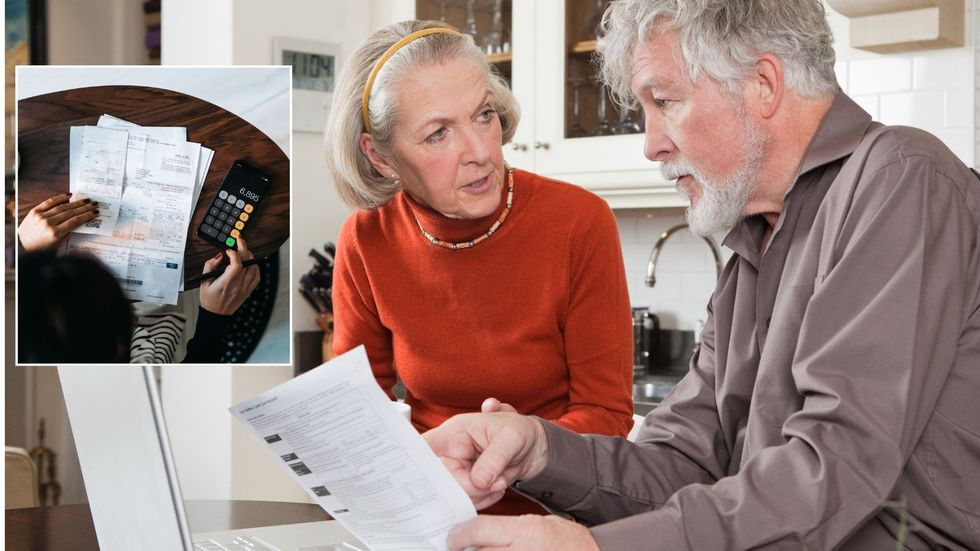
Fewer than two in five retirees received the complete 4.8 per cent boost across all their payments
| GETTYThat £2.22 weekly shortfall translates to £115.44 over twelve months, accumulating to £2,308 across two decades before accounting for future increases.
Steve Webb, former pension minister and now partner at consultancy Lane Clark and Peacock, argues: "Everybody would like the whole of their pension to go up by a higher amount.
"But while the additional state pension isn't increasing in line with wages, the overall old state pensions is still rising faster than inflation."
Sir Steve also notes that recipients of graduated retirement benefits, the precursor to Serps operating between 1961 and 1975, face the same inflation-only increase on that portion of their income.
A further sting awaits pensioners as frozen tax thresholds threaten to drag them into the income tax system.
Those relying solely on the new state pension currently escape tax because their £12,547.60 annual income sits just beneath the £12,570 tax-free allowance, which has remained unchanged since 2021.
Should the triple lock deliver even its minimum 2.5 per cent rise in April 2027, annual payments would reach approximately £12,861, triggering tax on £291 of income amounting to just over £58.
Retirees already claiming maximum old state pension payments of £21,602.88 annually face handing roughly £1,806 to the taxman.