







British pensioners are being left with a mere £220 monthly buffer after covering basic living expenses, according to new research comparing retirement systems across the continent.
The UK state pension places 13th in the European Pension Breakeven Index for 2026, sitting just 26 per cent above the point where income meets essential costs.
This modest cushion comes despite recent increases to pension payments, leaving retirees in Britain far behind their counterparts elsewhere in Europe.
Luxembourg pensioners, by contrast, enjoy financial breathing room more than six times greater than UK retirees, with their state pension sitting 514.19 per cent above breakeven.
The annual index, compiled by Almond Financial, measures how pension income compares to average monthly living costs across European nations.
Luxembourg maintains its position at the summit of the rankings for another year, offering retirees remarkable financial security. The country's generous pension system provides an average monthly income of £5,719.38, while living costs sit at roughly £931.
Norway claims second spot, with pension income reaching 240.74 per cent above the cost of living.
Retirees there receive around £2,164 monthly despite facing higher expenses of approximately £1,050.
Spain rounds out the top three, proving particularly attractive for those approaching retirement age. Monthly living costs of just £622 combine with pension payments of £1,341.40, placing Spanish retirees 115.69 per cent above breakeven.
Malta, Sweden and Denmark also perform strongly, with each country's pension income exceeding living expenses by more than 98 per cent.
Britain's position in the rankings sees it trail behind neighbouring nations Ireland and France, both of which offer more comfortable retirements.

Britain's position in the rankings sees it trail behind neighbouring nations
| GETTYIreland sits in 12th place with pension income 30.04 per cent above breakeven, while France ranks ninth at 59.70 per cent above the threshold.
UK pensioners receive £1,045.63 monthly from the state pension, measured against average living costs of £825.50. The index calculations assume most retirees own their homes outright or live rent-free.
France provides its pensioners with £1,296.46 each month against living expenses of £811.80, while Irish retirees receive £1,120.98 with costs of £862.
At the opposite end of the scale, several European nations see their pensioners struggling to cover basic expenses.

The DWP State Pension for 2026-27 provides a full new rate of £241.30 per week
| GETTYArmenia occupies the bottom position for the fourth year running, with retirees receiving just £118.98 monthly against living costs of around £518. This leaves Armenian pensioners facing a shortfall exceeding 86 per cent.
Moldova fares little better, with pension payments of roughly £204 covering less than half of monthly expenses.
Belarus and Albania both sit well below the breakeven threshold, with pension income falling short of living costs by approximately 32 per cent in each country.
Greece also appears among the worst performers, with pensioners receiving £345.72 against monthly expenses of £674.60, creating a gap of nearly 49 per cent.
The rising cost of living continues to stretch pension income across Britain and the wider continent, with those nearing retirement increasingly asking whether their pension will prove sufficient.
European pension breakeven index (2026)
This index compares how far state pension income goes towards covering basic living costs across Europe.
- Pension (£ per month): the average monthly state pension, converted into pounds
- Living costs (£ per month): estimated average monthly essential expenses
- Above/Below costs (per cent): how much pension income exceeds or falls short of living costs
Top performers (pensions well above living costs)
- Luxembourg – £5,719 pension | £931 costs | +514.19 per cent
- Norway – £2,163 | £1,050 | +240.74 per cent
- Spain – £1,341 | £621.90 | +115.69 per cent
- Malta – £1,396 | £673.80 | +107.25 per cent
- Sweden – £1,641 | £822.80 | +99.48 per cent
- Denmark – £1,882 | £946.60 | +98.84 per cent
- Switzerland – £2,400 | £1,303.20 | +84.22 per cent
- Belgium – £1,401 | £828.70 | +69.17 per cent
- France – £1,296 | £811.80 | +59.70 per cent
- Netherlands – £1,415 | £889.20 | +59.17 per cent
- Poland – £876 | £615.20 | +42.42 per cent
- Ireland – £1,120 | £862 | +30.04 per cent
- United Kingdom – £1,045 | £825.50 | +26.67 per cent
- Czechia – £772 | £671 | +15.07 per cent
Around breakeven (pensions roughly match costs)
- Lithuania – £648 | £652 | -0.58 per cent
- Romania – £501 | £509.30 | -1.48 per cent
- Estonia – £743 | £773.70 | -3.93 per cent
Below breakeven (pensions do not cover living costs)
- Bulgaria – £467 | £523.20 | -10.60 per cent
- Finland – £680 | £817.80 | -16.82 per cent
- Serbia – £418 | £538 | -22.23 per cent
- Portugal – £399 | £585.90 | -31.85 per cent
- Albania – £360 | £537.70 | -33.01 per cent
- Belarus – £262 | £394.90 | -33.45 per cent
- Croatia – £434 | £666 | -34.72 per cent
- Cyprus – £457 | £744.30 | -38.48 per cent
- Greece – £345 | £674.60 | -48.75 per cent
- Moldova – £204 | £462.70 | -55.82 per cent
- Armenia – £118 | £518.10 | -86.26 per cent
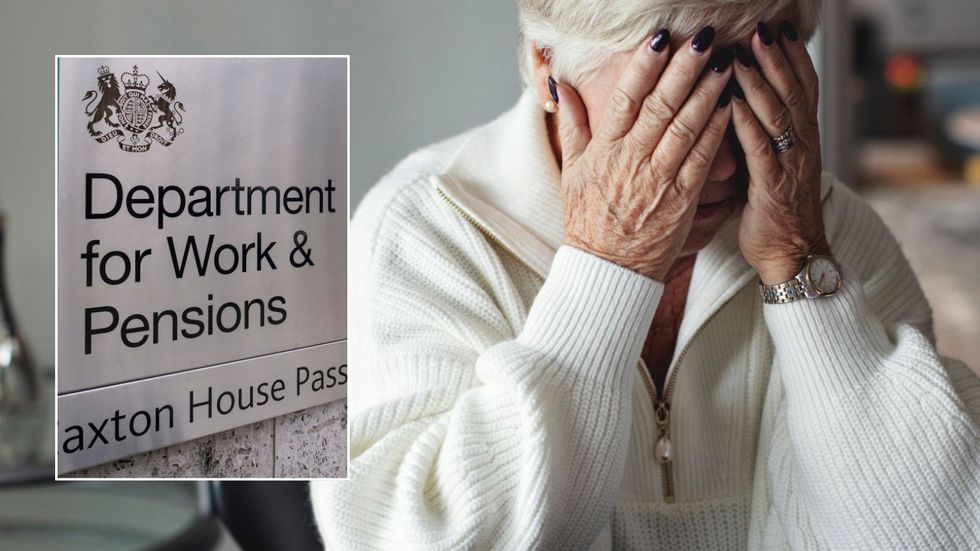 The state pension is under more scrutiny | GETTY
 Sam Robinson, Principal Financial Adviser at Almond Financial, commented on the findings: "The data is an interesting insight into just how well people can live when they retire right across Europe."
He added: "This year's increase to the UK state pension has offered a boost to the impact on pension income versus the cost of living, meaning pensions could feel slightly better off. Despite this, the UK state pension still rests just above the breakeven point, and remains weak compared to other pension systems across Europe."
Mr Robinson emphasised that preparing for retirement remains essential, urging people to seek professional guidance if uncertain about their options.
The research suggests several ways to boost retirement income, including using pay rises to increase pension contributions, making the most of employer matching schemes, and taking full advantage of available tax relief.