






Billions of pounds in taxpayer money are being channelled to unelected public bodies each year, according to a new report.
The findings raise fresh questions about how much oversight there is over this spending.
Research from the TaxPayers' Alliance, titled "Britain’s Quangos Uncovered", found that 438 quasi-autonomous non-governmental organisations receive around £391billion annually from the public purse.
This represents close to one-third of total managed government expenditure.
The report claims the figure is higher than combined spending on schools, the armed forces, police services and transport infrastructure.
Quangos, which operate at arm’s length from ministers, are funded by taxpayers but are not directly elected, raising concerns among critics about accountability.
The analysis also points to examples of spending the group describes as questionable across a number of these organisations.
Arts Council England has directed millions in taxpayer funds towards "inclusive art initiatives" as part of its strategy requiring funded groups to boost representation for "under-represented communities."
Meanwhile, bosses at Environment Agencies have collected substantial bonuses despite sewage discharges into British waterways hitting unprecedented levels.
Public health organisations have also faced criticism for channelling money towards diversity consultants, "wellness retreats" and costly rebranding exercises.
The report also highlights high pay across these organisations, with more than 1,472 staff earning over £100,000 a year. Of those, over 300 are paid more than the Prime Minister.
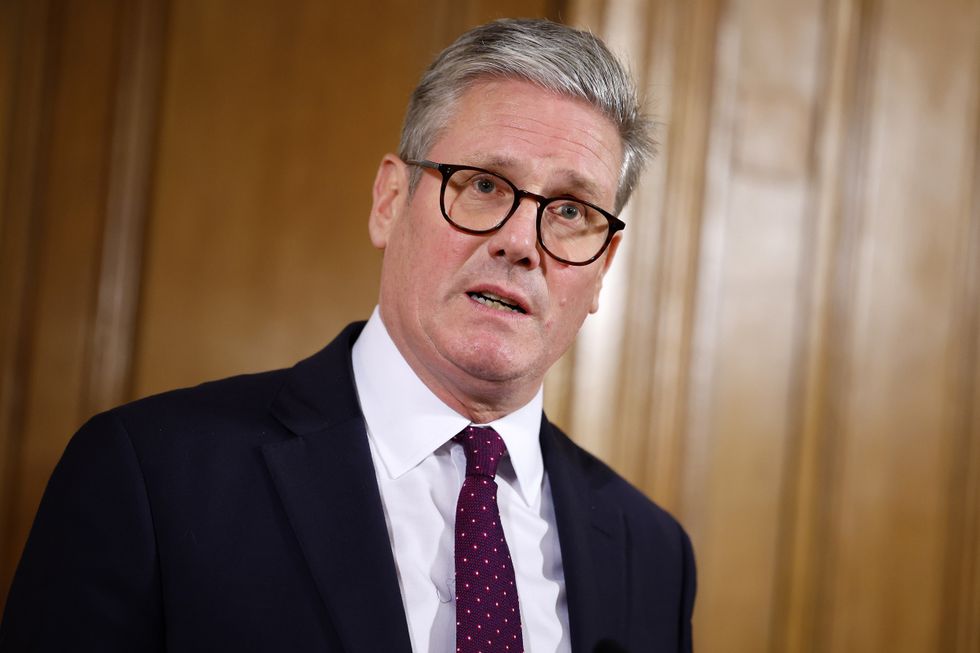 More than 1,300 quango staff earn more than the PRIME MINISTER | PA
Top earners include the Channel 4 chief on £619,000, the HS2 chief executive on £618,195 and Network Rail’s boss on £588,000, all funded by taxpayers.
The findings come as Britain’s national debt stands at around £2.8trillion, with interest payments reaching £105billion in the year to 2025.
The report notes sardonically that these bodies describe themselves as "not for profit" whilst absorbing vast sums in executive remuneration.
The Government's response of borrowing and creating new money to service these obligations drives inflation, which steadily weakens the pound's buying power.
 More than half of all Whitehall leavers left the civil service by resignation in the year 2023/24, with one-in-four leaving as a result of retirement | GETTY
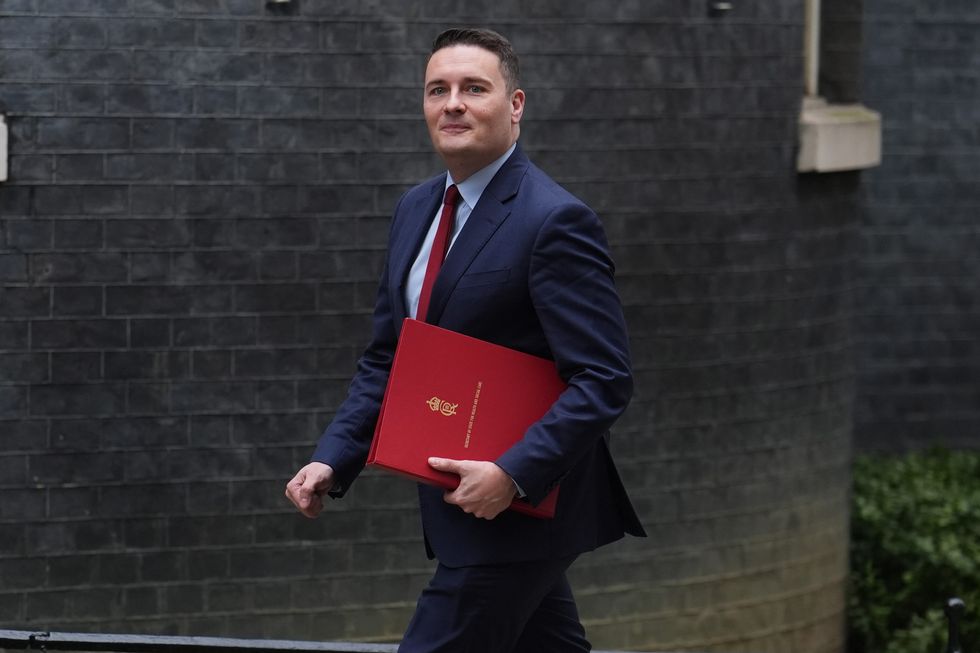 The Health Secretary has warned that "hundreds" more NHS health quangos could soon be axed | PA
Rising prices for everyday goods and services fuel the cost of living crisis affecting households nationwide. Ordinary savers find their money worth less over time, even when account balances remain unchanged.
Cameron Parry, chief executive of TallyMoney, urged savers to examine how inflation affects their wealth and explore alternative protection methods.
He said: "Instead of storing your money in a traditional bank account with pounds sterling where inflation erodes its value, TallyMoney gives you a new type of account that uses milligrams of gold (branded as 'tally') and shields your money from currency debasement and increases your savings potential."
Mr Parry added: "Throughout history, gold has always been a safe haven during times of rampant inflation. It can’t be printed or devalued like fiat currency (such as pounds) can.
"It’s been proven to hold its value through recessions, political crises, and currency debasement for thousands of years. (For note, fiat currency like the pound sterling in its current form, has been going for 53 years now.)
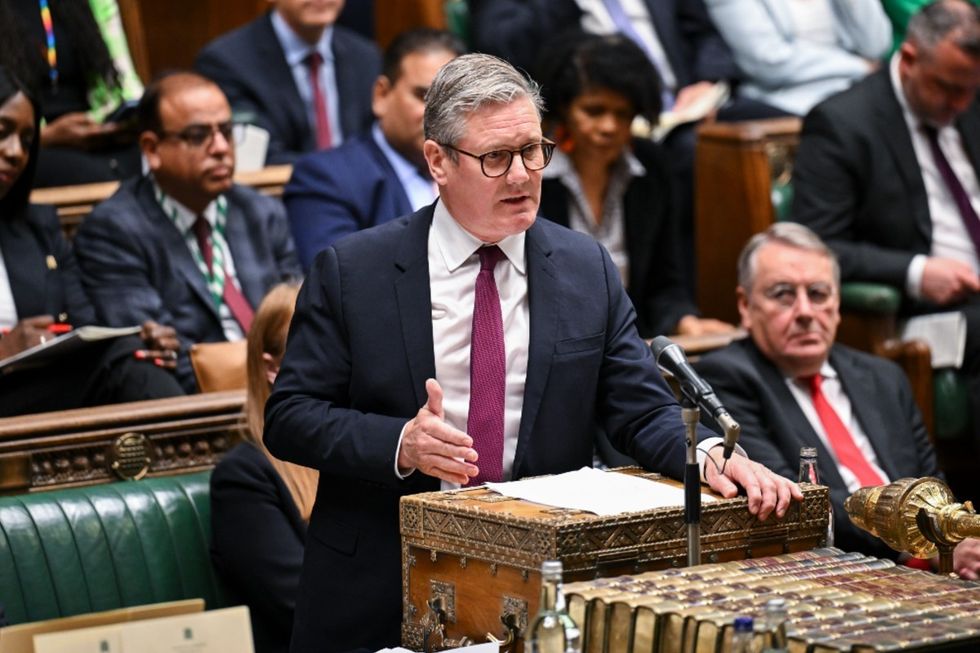 Britain's quangos blow almost £400bn a year - nearly a third of all Government spending | FLICKR (HOUSE OF COMMONS)
"So as the government funnels taxpayer money to Quangos and continues down the path of wasteful unaccountable spending, gold becomes increasingly critical to hold."
Oscar Parsons, ISA expert at Legal and General, warned that inflation quietly diminishes savings even when balances appear stable.
He said: "If inflation settled at four per cent for five years, over that time for every £1,000 stashed away savers would lose around £185."
Mr Parsons explained that when interest rates fall below inflation, savers effectively lose money despite their accounts showing the same figures.
With approximately £300billion currently held in cash ISAs, he stressed that savers should consider practical steps including maintaining emergency funds, securing competitive rates and exploring longer-term investment options.