






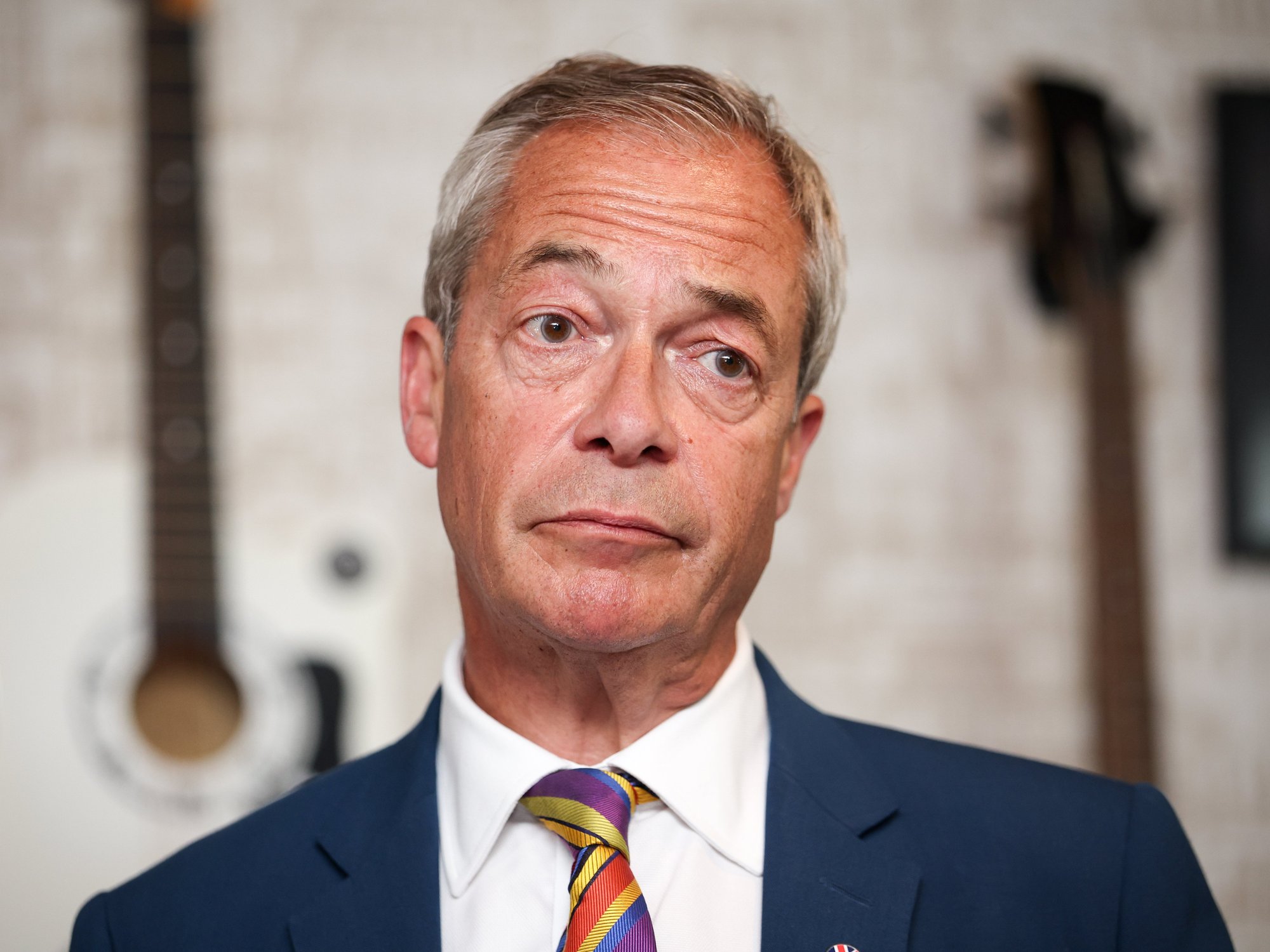


Millions of workers across Britain are set to pay thousands more in National Insurance contributions as the state pension age rises.
Analysis by Royal London shows that someone earning £100,000 a year will pay an additional £4,011 over the extended working period, while their employer will face more than £14,000 in extra costs.
Those on lower incomes will also be affected.
A worker earning £50,000 is projected to pay an extra £3,016, and full‑time employees on the National Living Wage will contribute an additional £845.
TRENDING
Stories
Videos
Your Say
The state pension age increase began on April 6, with the threshold rising by one month every month, and is part of Government efforts to manage pension spending, which reached £146billion in 2025–26.
The retirement age is currently 66 and will rise to 67 by 2028.
People turning 66 before March 6, 2027 could see their retirement delayed by up to 11 months, while younger workers will need to contribute for a full extra year before reaching state pension age.
A further increase to 68 is scheduled between 2044 and 2046, meaning those born on or after 6 April 1978 could face significantly higher lifetime contributions.

State pension age rise hits workers with thousands more in National Insurance payments
|GETTY
Jack Carmichael, of Barnett Waddingham, warned the pension age could rise even further without wider reform, saying it may eventually reach 80 if current trends continue.
Conor Nakkan, policy analyst and researcher at the Intergenerational Foundation, said: “For decades, the state pension age went unchanged even as life expectancy rose significantly. This has increasingly shifted the cost of ever‑longer retirements onto younger workers.”
In recent pension developments, Reform UK has said it would maintain the triple lock on state pensions.
Nigel Farage said the policy would be funded through “the biggest cuts to the benefits bill ever seen in the history of this country”.
LATEST DEVELOPMENTS
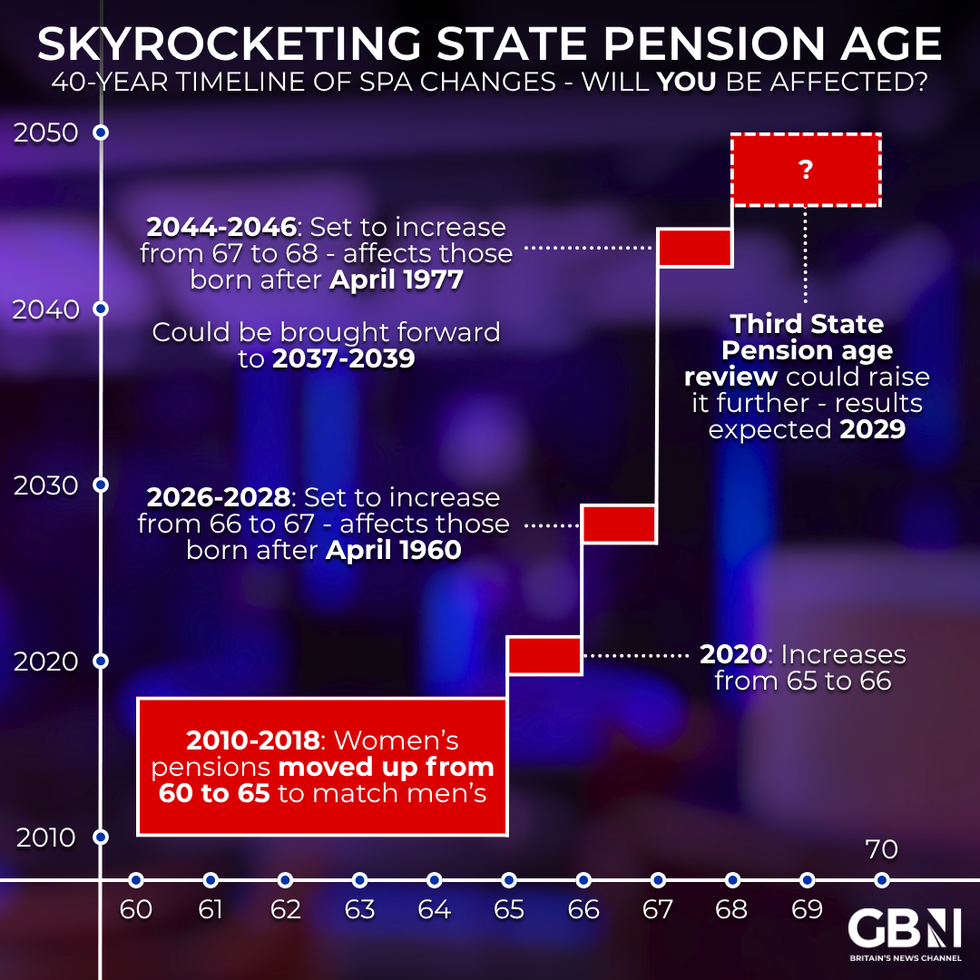 Are you affected by state pension age changes? | GETTY
Reform's Treasury spokesman Robert Jenrick said the party had identified £40billion in savings, which he argued would be “more than sufficient to cover the increase in public spending” linked to the pledge.
The proposed reductions would target people who had recently arrived in the UK or entered illegally.
The position marks a shift from comments previously made by the party's business spokesman Richard Tice, who had said the triple lock was "unsustainable in the medium and long term", despite his acknowledgment that "everyone wants the highest possible pension".
Think tanks have raised concerns about the long‑term affordability of pension commitments.
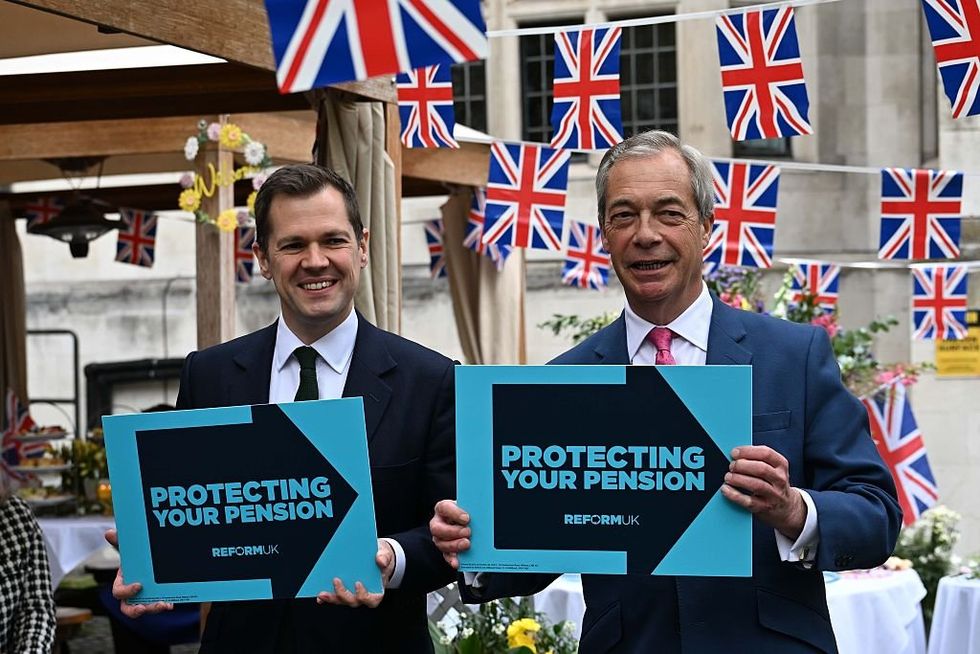
Reform UK would maintain the state pension
|GETTY
Dr Kristian Niemietz, editorial director at the Institute of Economic Affairs (IEA), said: “It confirms that no major party is willing to be honest with voters about the cost of Britain’s growing pension obligations.
"The triple lock is one of the most expensive commitments in British public policy, it is an electoral bribe with a compound interest rate.”
Daniel Herring, head of economic & fiscal policy at the Centre for Policy Studies, said spending on pensions, the NHS and welfare was “on an unsustainable trajectory”.
The Conservatives, Labour and Liberal Democrats have all pledged to retain the triple lock. The state pension increased by 4.7 per cent from April 6.
A spokesperson for the Department for Work and Pensions (DWP) said: “Supporting pensioners is a top priority, and our commitment to the triple lock means millions of older people will see their state pension rise by up to £2,100.”