






Royal Mail customers will face higher postage costs from today as new stamp prices take effect across the country.
These latest rises mean first-class postage now costs nearly three times what it did a decade ago, when sending a letter required just 64p.
The cost of sending a standard first class letter will climb by 10p to £1.80, whilst second class stamps will increase by 4p to 91p.
Large first class letters will also become more expensive, jumping 15p to £3.30, though second class large letters will hold steady at £1.55.
Beyond standard stamps, Royal Mail's premium services including Signed For, Special Delivery Guaranteed and Tracked options will all see price increases from Tuesday, alongside first and second class parcel rates.
The postal operator attributed the changes to the "continued rise in cost of delivery" as it handles mail across an expanding network.
Consumer groups have responded sharply to the announcement, arguing that customers are being asked to pay more for an unreliable service.
Anne Pardoe, head of policy at Citizens Advice, said the price of stamps "can't be treated as a dial that is turned up without a clear justification for consumers, forcing people to dig deeper into their pockets for a failing service".
She pointed out that Royal Mail has not achieved its delivery targets for more than five years, leaving many people uncertain whether crucial correspondence such as medical appointment letters will reach them promptly.
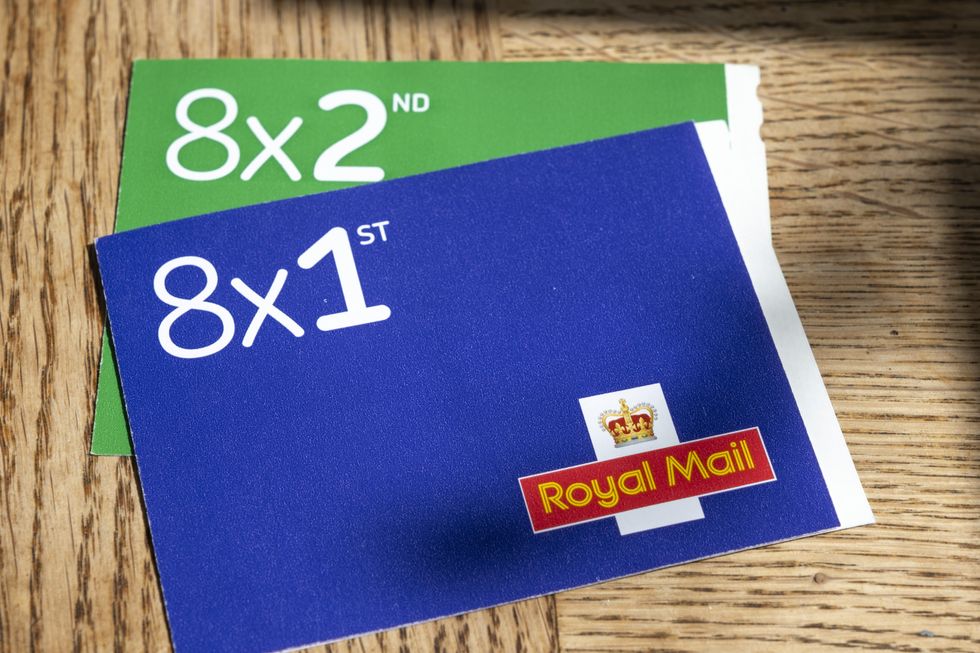
The cost of sending a standard first class letter will climb by 10p to £1.80
| GETTY"Higher prices must come with higher standards - increases should be tied to Royal Mail's performance on the doorstep," Pardoe added.
The criticism follows a £21million fine imposed on Royal Mail by Ofcom last year after the regulator discovered that nearly a quarter of first class post was arriving late.
Royal Mail defended the price increases, with Richard Travers, managing director of letters, stating: "We always consider price changes very carefully, balancing affordability with the rising cost of delivering mail."
Travers highlighted that the average British adult spends only £6.50 annually on stamps, whilst letter volumes have plummeted by 70 per cent over the past two decades.
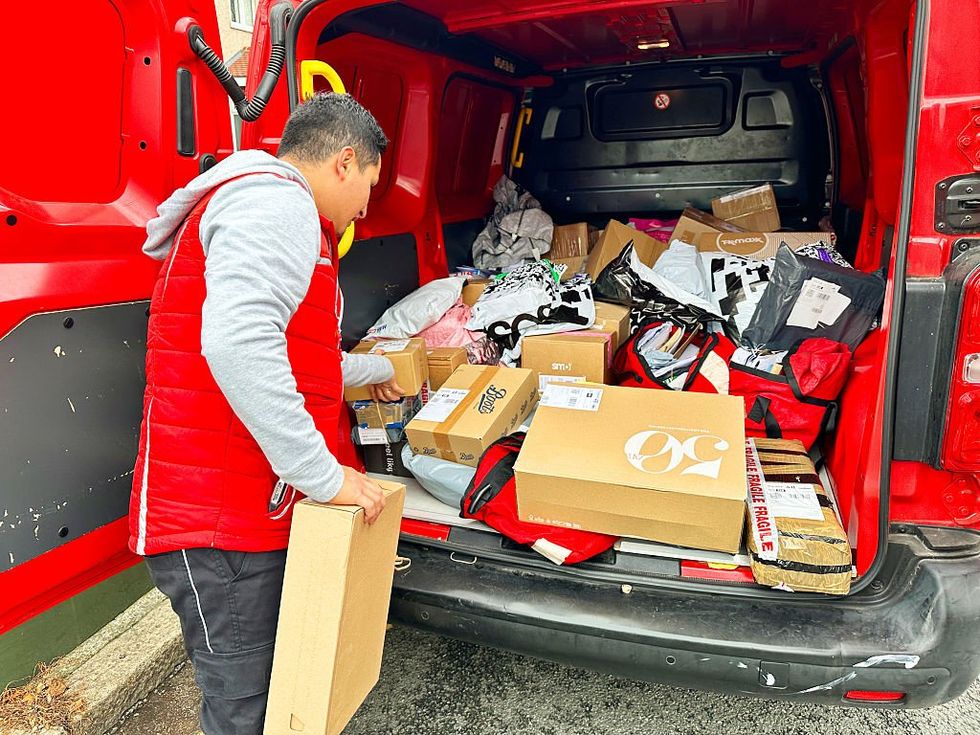
The postal operator attributed the changes to the "continued rise in cost of delivery"
| GETTYAt the same time, the company now delivers to four million more addresses than it did previously, bringing the total to 32 million properties nationwide.
The postal service, which was acquired by Czech billionaire Daniel Kretinsky's EP Group last April, has faced mounting pressure over its performance.
Royal Mail executives were called to appear before MPs last month following what the Business and Trade Committee chair Liam Byrne described as "significant failures" in letter delivery, with the committee highlighting "chaos" in certain postal areas since Christmas.
Mark Statton noted that the price rises come at a difficult time for organisations and businesses already grappling with mounting expenses.
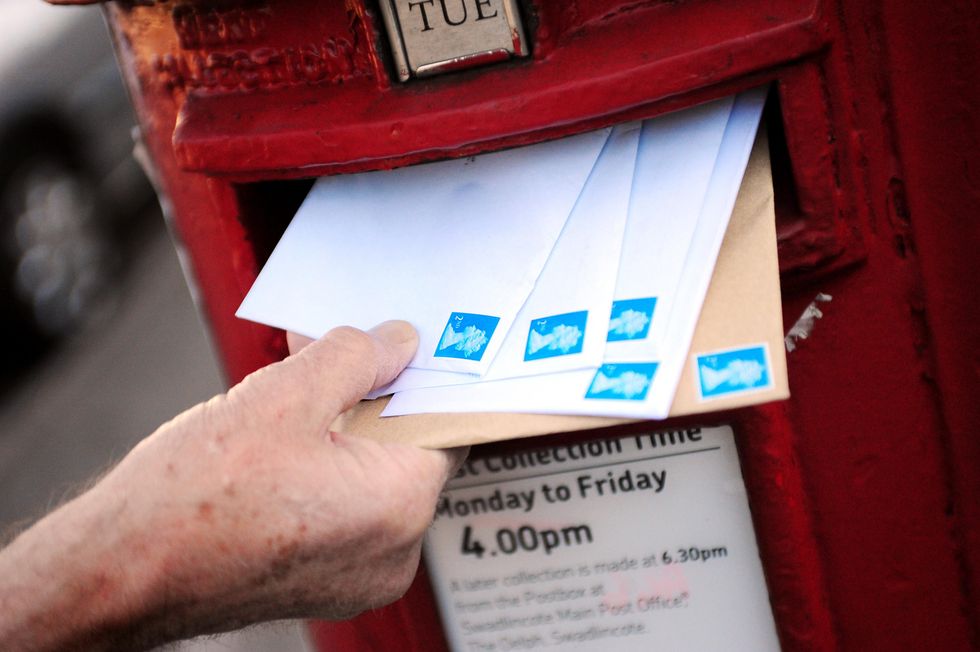
Second class stamps will increase by 4p to 91p
| PA"If prices are going up while deliveries remain inconsistent, it's harder for consumers to feel they're getting value for money, especially for something as essential as sending important letters or documents," he said.
Mr Statton observed that postage costs have now reached a point where courier services can match or even undercut Royal Mail for small parcels, prompting customers to reconsider whether traditional post offers the best deal.
He acknowledged that scrutiny from the Business and Trade Select Committee represents a positive development for consumers seeking improvements.
"Confidence will only return when service levels match the price being paid," Mr Statton concluded, reflecting widespread frustration that higher charges have not translated into better reliability for those depending on the postal network.