







Young people in Britain should brace themselves for retirement without state pension support, a former MP has cautioned.
Lord Mackinlay of Richborough issued the stark warning arguing that the UK's welfare system faces unsustainable pressure from demographic shifts.
"Young people need to prepare for a world where the state pension doesn't exist," the peer wrote. "Our welfare system is straining under the weight of a population it was never designed to support."
The chartered accountant and tax adviser, who previously represented South Thanet and sat on both the DWP and Public Accounts Select Committees, said he had been raising concerns about Britain's failing demographic structure for more than 25 years.
The peer explained that state pension provision was originally built on the assumption of a population pyramid, with large numbers of young workers at the bottom supporting a smaller group of pensioners at the top.
That structure no longer exists in Britain, Lord Mackinlay argued in The Telegraph, describing the current demographic shape as resembling "a slightly centre-bloated cigar" rather than a healthy pyramid.
By 2032, the retired population is projected to swell to 13.7 million people, representing 14 per cent of the total population, while the number of children continues to fall.
The peer noted that only developing nations such as Pakistan and Nigeria still display the kind of population structure needed to sustain pay-as-you-go pension systems, though even these countries face changing demographics in future projections.
The financial strain extends beyond demographics, with welfare expenditure now surpassing the money collected through income tax.
Government spending on welfare has reached £333billion, overtaking income tax receipts of £331 billion, Lord Mackinlay highlighted.
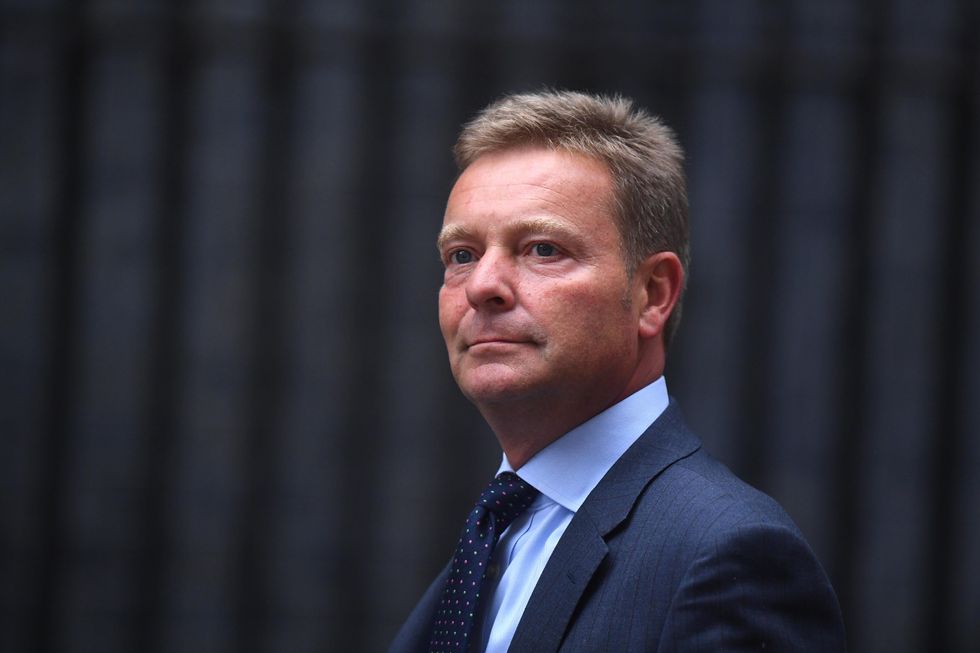
That structure no longer exists in Britain, Lord Mackinlay argued
| PAThe pressure on working taxpayers is set to intensify further, with forecasts suggesting 4.4 million people will be claiming Personal Independence Payments by 2030-31, alongside 4.2 million receiving Universal Credit without any obligation to seek employment.
The peer argued this means those still in work must hand over significantly more in taxes to fund what he described as the country's transformation into a welfare-dependent state.
Additional costs loom in the coming fiscal year through the reversal of the two-child benefit cap and standard inflation-linked increases to payments.
Lord Mackinlay pointed to self-invested personal pensions as a way for younger workers to take control of their financial futures.
While workplace pension auto-enrolment, introduced in 2012, represented a positive step, the peer criticised the required contribution levels as far too modest to make a meaningful difference.
"Despite this Government's obvious hatred of private pensions," he wrote, "the aphorism that 'compound interest is the eighth wonder of the world' mercifully still holds true."
LATEST DEVELOPEMENTS:

The peer noted that self-invested personal pensions offer the added advantage
| GETTYThe peer noted that self-invested personal pensions offer the added advantage of avoiding Government interference in investment decisions.
He referenced recent policy changes including inheritance tax on remaining pension values from 2027 and restrictions on National Insurance salary sacrifice arrangements from 2029.
"Looking after yourself will become increasingly necessary," Lord Mackinlay concluded. "There's a bumpy ride ahead."
The warning comes as millions of pensioners will see their income rise this year, with the full new State Pension increasing by up to £575 under the Government’s Triple Lock.
Overall, pensioners' incomes are expected to rise by up to £2,100 over this parliament, alongside above-inflation increases already worth up to £395 in real terms.

The Government says it will spend an extra £ billion on State Pensions and pensioner benefits between 2026 and 2027
| GETTYPension Credit will also increase by 4.8 per cent to an average of £4,300 a year, unlocking extra support such as help with housing costs, council tax and free TV licences.
The Government says it will spend an extra £ billion on State Pensions and pensioner benefits between 2026 and 2027, alongside wider measures including higher wages and lower energy bills.
Work and Pensions Secretary Pat McFadden said: "I know global shocks, and the effects they have on our living costs, will be increasing anxiety for many households.
This Government will always protect our pensioners, and that’s why we are raising the full rate of new State Pension by up to £575 this coming year."