








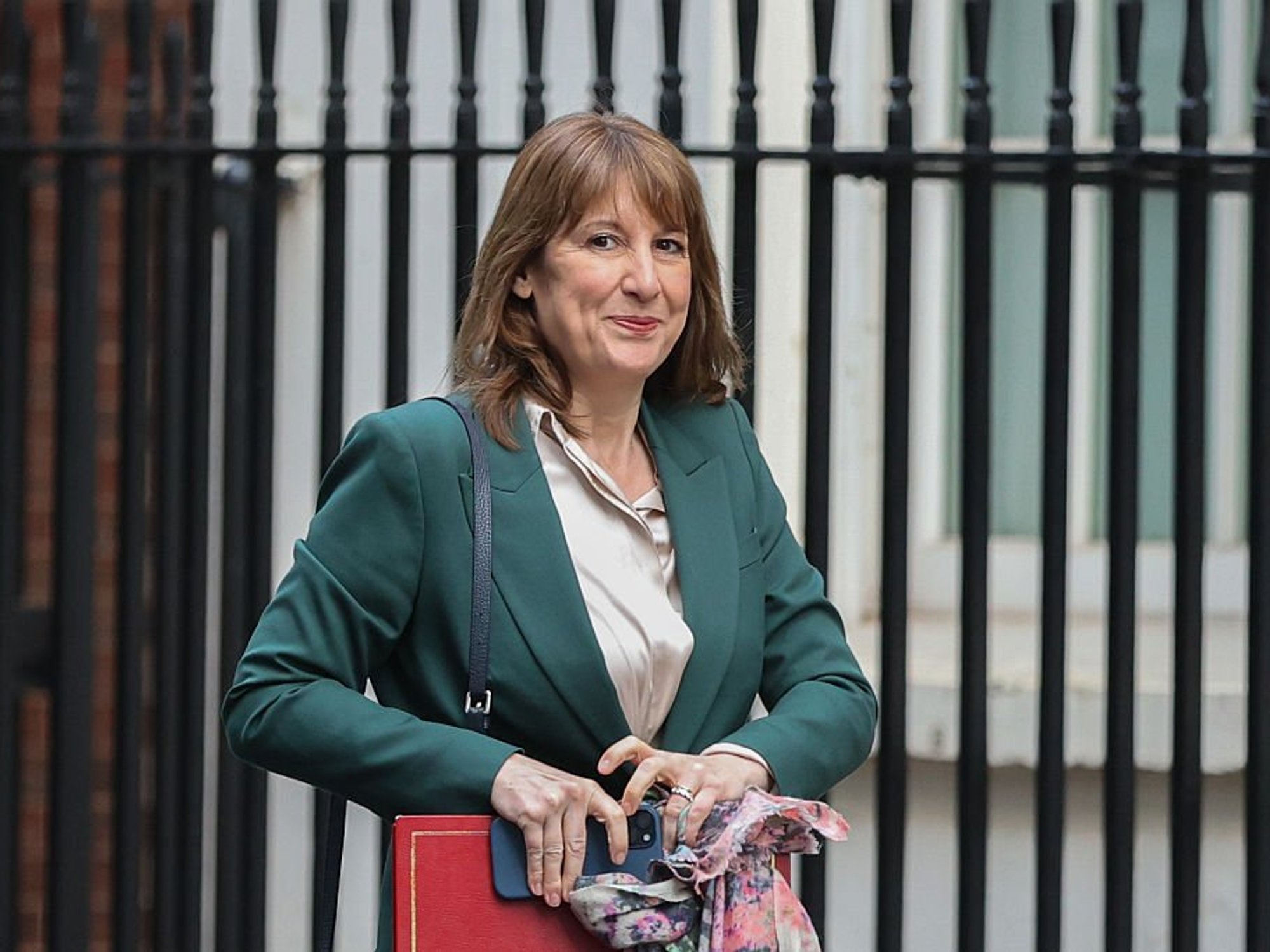
Rachel Reeves's stamp duty changes appear to have backfired, with Treasury revenues falling despite more homebuyers being pulled into paying the tax.
New figures show the Government collected less money from stamp duty in the first four months of 2026 than it did during the same period last year.
Homebuyers paid £4.3billion in stamp duty between January and April, according to official data released on Thursday. That was around six per cent lower than the amount collected during the same period in 2025.
The Chancellor reduced the stamp duty threshold from £250,000 to £125,000 in April 2025. First-time buyers were also affected, with the threshold for stamp duty relief falling from £425,000 to £300,000.
Property experts say the changes, which reversed tax cuts introduced under former Prime Minister Liz Truss in September 2022, have discouraged some buyers from moving home.
The impact has been felt most strongly in London and the South East, which together generate around half of all stamp duty revenues across the UK.
A first-time buyer purchasing a typical £500,000 property in London now faces a stamp duty bill of £10,000, adding further pressure to already stretched budgets.
The threshold reduction increased costs on an average-priced English home by £2,500.
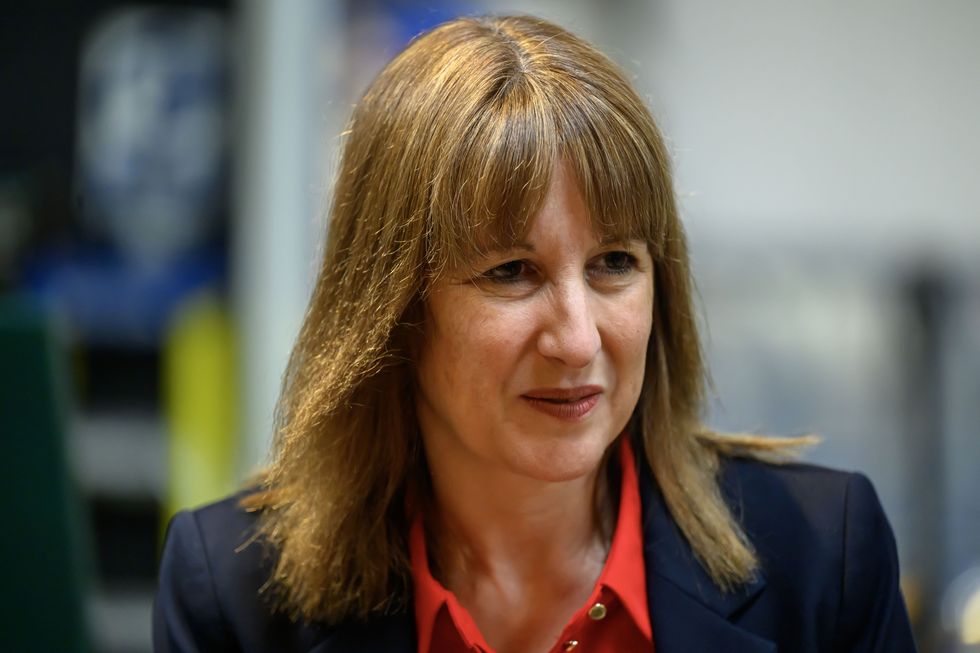
Rachel Reeves's stamp duty raid backfires
| PABy contrast, northern England remains largely unaffected, with only one in ten property purchases exceeding the payment threshold.
The tax brought in an estimated £16billion for government coffers last year, with Office for Budget Responsibility forecasts projecting this figure will climb to £28bn by 2030-31.
Richard Donnell, from property portal Zoopla, described the levy as "a real bind on first-time buyers and homeowners in London and the South East."
"On average, they would pay 3pc on the purchase price. For a buyer that's another 3pc to find when property is already expensive. It's a big cost on normal people," he said.
Jonathan Stinton, at Coventry Building Society, argued that falling receipts undermined the rationale for maintaining current rates.
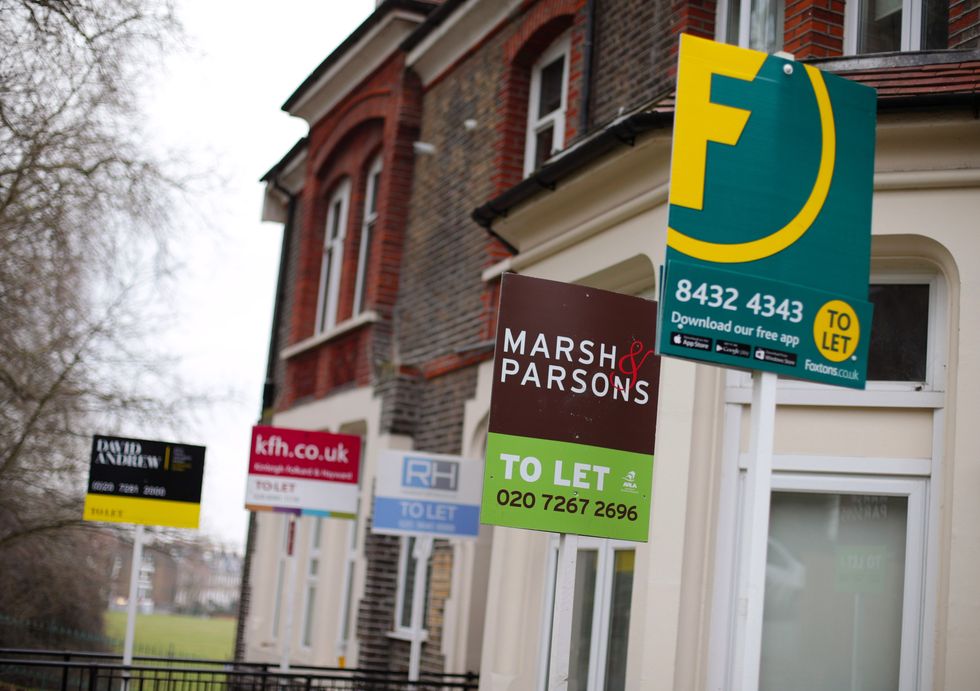
Richard Donnell, from property portal Zoopla, described the levy as "a real bind on first-time buyers and homeowners in London and the South East
| PA"Bringing more homes into the tax net might seem like an easy win for the Treasury, but if higher upfront costs discourage people from moving, the overall take can actually start to fall," he said.
"Without a change to the system, the risk is we continue to slow down a housing market that depends on people being able to move freely because you can't turn up the tax without taking some steam out of the market."
Official figures show property transactions across the UK tumbled by approximately 70,000 during the first quarter of 2026, falling to 269,000 from 340,000 in the same period last year.
Mr Donnell noted that a surge of completions ahead of the April 1 deadline in 2025 partly explained the elevated comparison figures.
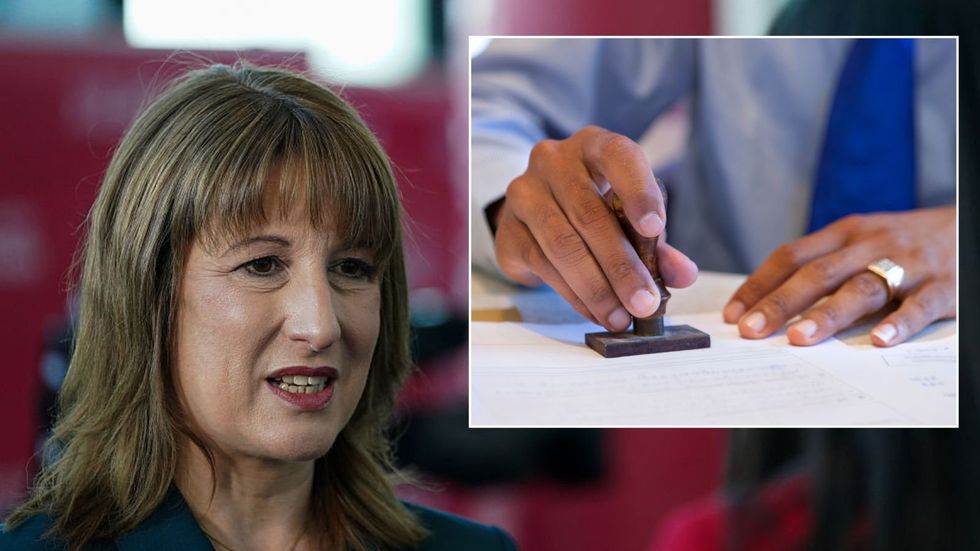 A record proportion of first-time buyers are now liable for stamp duty payments | GETTY
Pressure to abolish or overhaul the tax has intensified as the housing market contends with elevated interest rates and rising joblessness.
Conservative leader Kemi Badenoch pledged last year to eliminate stamp duty on primary residences should her party win the next general election.
The Centre for London think tank this week proposed replacing the levy with a property wealth tax, arguing such a move would encourage downsizing and improve housing allocation.