









Chancellor Rachel Reeves is preparing to impose a 22 per cent charge on interest generated by cash holdings within stocks and shares ISAs from April 2027 under sweeping reforms to the savings system.
The levy forms part of broader "anti-circumvention rules" designed to prevent savers from exploiting loopholes in the reformed ISA regime, according to sources with knowledge of Treasury discussions.
It mirrors the pre-2014 ISA framework, when a 20 per cent charge applied to cash interest held within stocks and shares accounts.
The new rate has been aligned with the savings interest tax level, which is due to rise to 22 per cent next April.
HM Revenue and Customs (HMRC) had previously indicated that cash held within these accounts would attract a charge from this date, although the specific rate had remained unconfirmed until now.
Savers under the age of 65 will also see their annual cash ISA allowance reduced to £12,000 from April 6, 2027, marking a significant cut from the current threshold.
However, the full £20,000 ISA allowance will remain available through stocks and shares ISAs under the plans.
The Treasury is also expected to ban transfers from stocks and shares ISAs and innovative finance ISAs into cash ISAs as part of the forthcoming regulations.
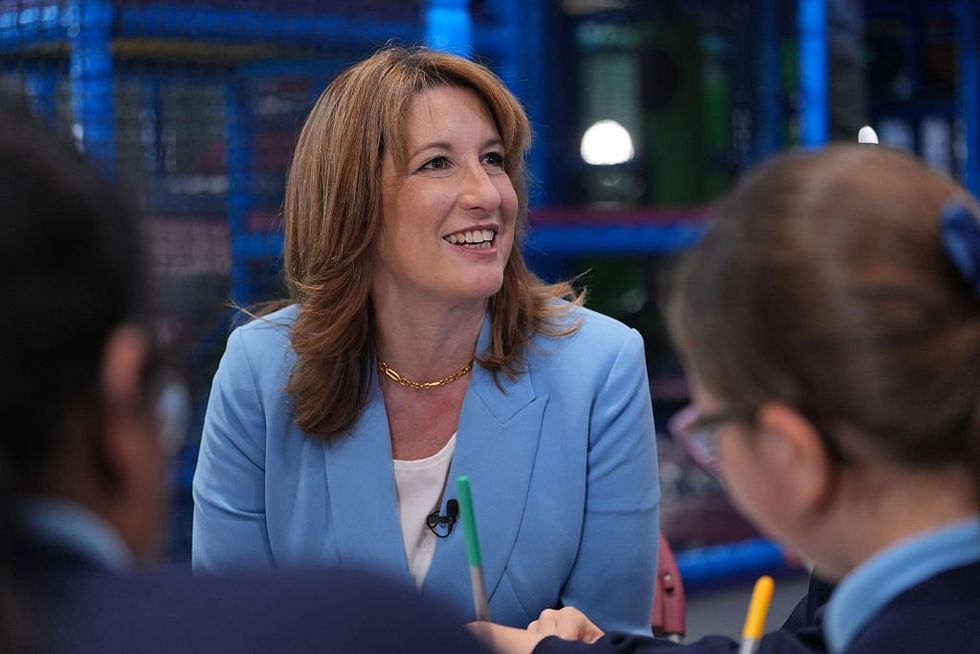
Rachel Reeves preparing 22 per cent charge on stocks and shares ISA cash holdings from 2027
|GETTY
Additional restrictions targeting "cash-like" investments held within stocks and shares ISAs are also expected to be introduced under the reforms.
Products such as money market funds, which can offer slightly stronger returns than traditional cash savings while carrying minimal risk, are expected to fall within the scope of the measures.
These products are frequently used by investors who are waiting for opportunities to purchase equities, although they could be classified as "non-qualifying assets" if held in excessive proportions under the proposed rules.
The precise mechanics of how the restrictions would operate have not yet been confirmed by the Treasury.
LATEST DEVELOPMENTS
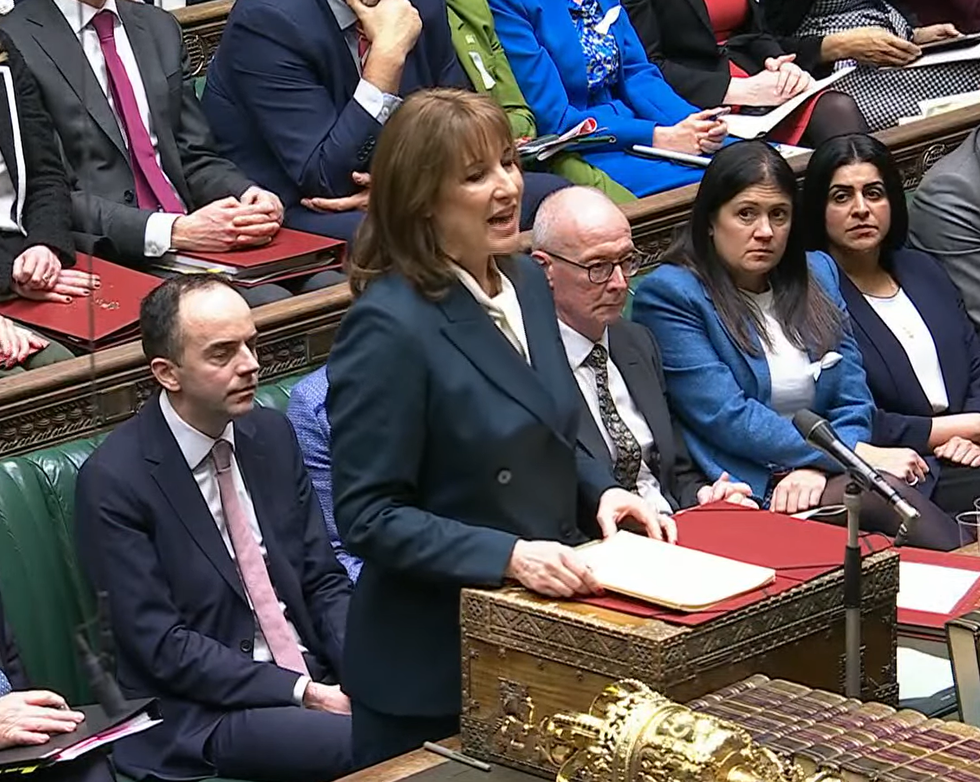
The investment industry has raised concerns about the limited timeframe available to implement the changes ahead of the April 2027 deadline
| PARLIAMENTRachel Vahey, of investment platform AJ Bell, said: "This really does need resolving if the Treasury wants to keep to the timeline of April 2027. It leaves us with very little time to make changes.
"At the moment, we're looking at a very sharp implementation period and we really need some clarity from the Treasury as soon as we can get it."
Her comments come after months of discussions between Government officials, investment firms, brokers and building societies over how to tackle attempts to avoid the reduced cash ISA threshold.
The details of the anti-circumvention measures are expected to be announced shortly, with platforms continuing to prepare their systems for the changes.
The Treasury has defended the reforms as part of a wider effort to encourage greater participation in equity markets.
"We are reforming the cash Isa to encourage more people to invest in stocks and shares which have historically performed better than cash savings and we have retained the generous £20,000 tax-free limit."
The Chancellor first announced the reforms in her 2025 Budget last year, presenting the measures as part of efforts to boost investment into British businesses.
However, the continued uncertainty surrounding the technical details has frustrated parts of the savings industry with less than a year remaining before the reforms are due to take effect.
The changes would represent one of the biggest overhauls of the ISA system in more than a decade, significantly altering how Britons can shield savings from tax.