








Rachel Reeves will fund Britain's ballooning benefits bill with the crippling student loan interest rates slapped on UK graduates, a Labour MP has admitted.
Treasury Chief Secretary Lucy Rigby defended current Plan 2 student loan interest rates, arguing the money is needed for benefits and handouts.
Speaking to MPs at the Treasury Select Committee this afternoon, Ms Rigby said: "There is a host of things which we have been able to do to help students, but politics is about choices and the Chancellor has chosen to prioritise a number of things including lifting the two-child benefit cap for example, funding free breakfast clubs, SEND reform."
The Chancellor introduced a six per cent cap in April following mounting criticism over the repayment burden facing graduates, many of whom are not expected to clear their debts during their working lives.
Conservative leader Kemi Badenoch had also supported calls for action on student loan interest rates.
However, Ms Rigby again defended the policy while being grilled by MPs.
"We do have to bear in mind fairness to taxpayers as a whole, the majority of young people don't go to university," she said.
Ms Rigby added political decisions inevitably required trade-offs between competing pressures on the public finances.
The Chief Secretary of the Treasury also highlighted additional measures which she argued would support younger people, including stronger tenant protections and assistance with energy bills.
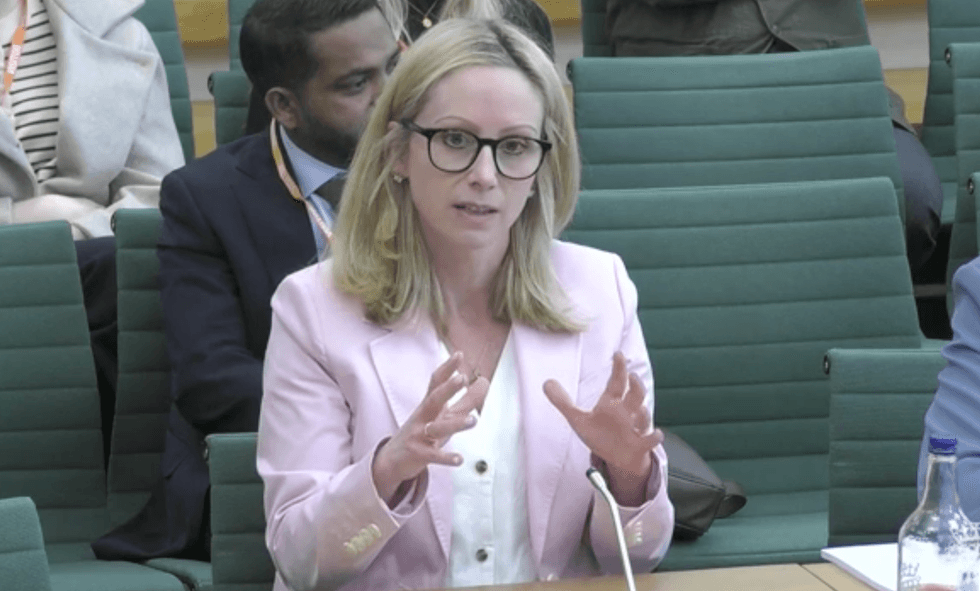
'Politics is about choices': Treasury minister defends student loan interest cap amid backlash
|COMMONS
The comments came after Labour completed its two-child benefit cap U-turn earlier this year.
Meanwhile, Work & Pensions Secretary Pat McFadden expressed frustration with colleagues calling for further tax rises to fund additional welfare spending.
Despite the changes, the six per cent cap has attracted criticism from economists and education experts who argue the reforms disproportionately benefit wealthier graduates while offering limited relief to lower earners.
The Institute for Fiscal Studies (IFS) said that the reforms would likely reduce costs for higher earners but would "do nothing" for lower-paid graduates, who would continue to have interest calculated using the Retail Price Index rate.
LATEST DEVELOPMENTS

Lucy Rigby defends Rachel Reeves student loan interest cap as critics warn reforms favour wealthy graduates
| PAPlan 2 loans, which apply to undergraduate degrees and teaching qualifications taken out in England between 2012 and 2023, account for almost 80 per cent of all higher education loan balances.
The Conservatives have pledged to go further by limiting interest rates on those loans to RPI only, removing the additional percentage currently applied.
Skills Minister Baroness Smith, who appeared alongside Ms Rigby at the hearing, also defended the Government’s approach and argued the six per cent ceiling represented a balanced compromise given wider fiscal pressures.
When questioned by former Conservative Treasury Minister Harriet Baldwin, Baroness Smith said deeper reductions in student loan interest rates would have imposed a substantial cost on the Exchequer.
"It would have been a very big impact on the public finances if for example we reduced interest rates in the way in which some people have suggested that we should do for Plan 2 loans," she said.
"That would cost a considerable amount of money."
Baroness Smith also noted that without Government intervention, student loan interest rates would have risen to 7.1 per cent from September because of inflationary pressures linked to the conflict between the United States and Iran.
The previous maximum rate stood at 6.2 per cent.