







The UK economy is heading for a sharper slowdown next year, with fresh forecasts suggesting that growth will weaken just as households face the steepest tax burden in decades.
Economists at KPMG warn that Reeves’s post-Budget tax decisions will squeeze consumer spending and push unemployment higher, raising questions over whether the government’s revenue drive risks undermining the recovery.
Economic growth is expected to slow to just one per cent in 2026, according to KPMG, which says the freeze on income tax thresholds is holding the economy back.
KPMG’s new forecast is weaker than its previous 1.1 per cent estimate, and the firm warns that household spending will fall as families come under increasing financial strain.
Keeping thresholds frozen until 2031 will drag millions more workers into higher tax bands, even though their spending power is already shrinking.
Yael Selfin, chief economist at KPMG UK, stated: "With ongoing headwinds continuing to weigh on household activity, consumer spending is likely to remain subdued over the coming year."
The firm expects the economy to grow by 1.4 per cent in 2025 before slowing sharply to 1 per cent, then picking back up to 1.4 per cent in 2027.
KPMG says the tax threshold freeze will pull an extra 4.8 million people into the 40 per cent income tax band, with another 600,000 pushed into the top rate.
This 'fiscal drag' effect happens when wages rise with inflation but tax bands stay the same, increasing the tax take without raising headline rates.
The group expects unemployment to hit 5.2 per cent by mid-2026, up from 4.8 per cent today, while wage growth slows to around three per cent.
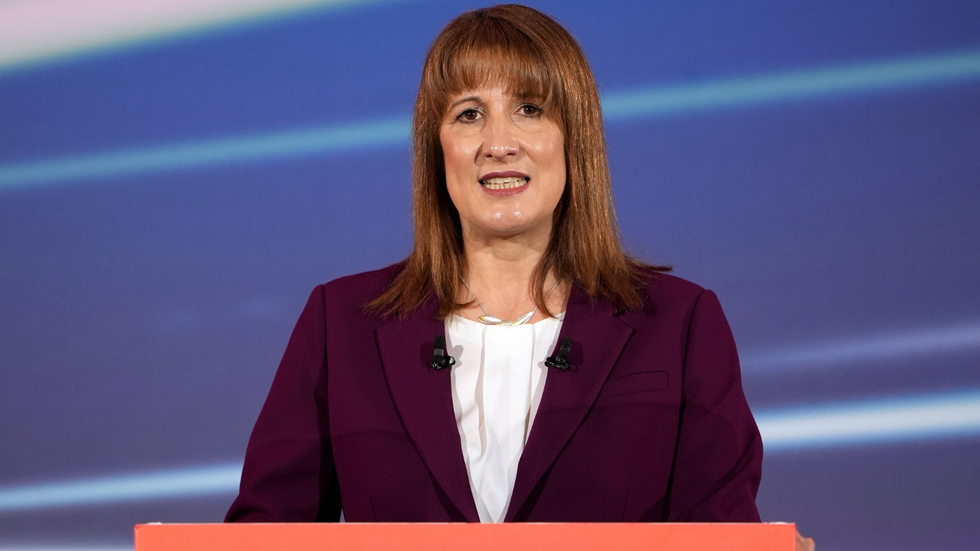
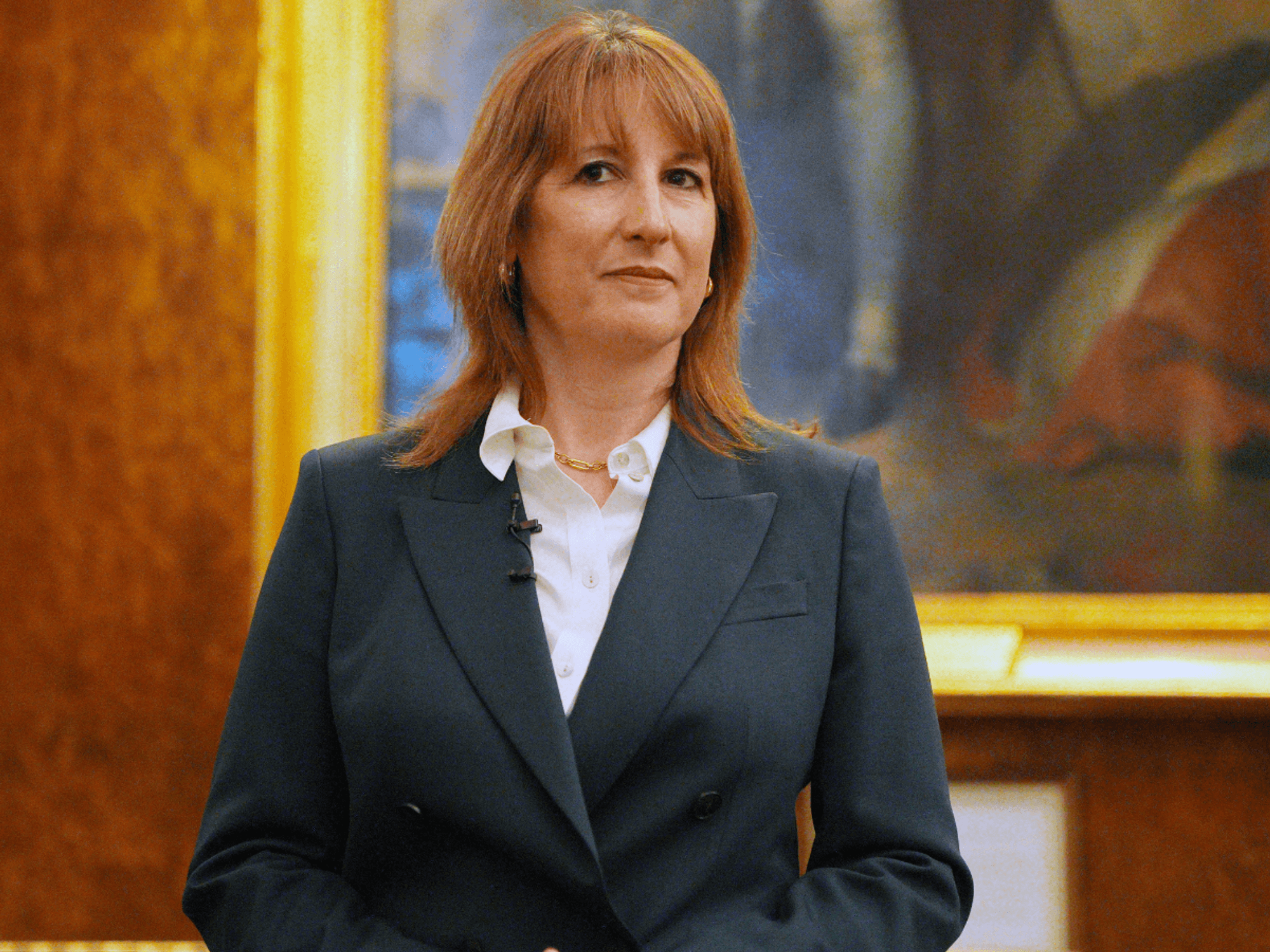
Rachel Reeves's tax raid to 'damage growth'
| PAThe Office for Budget Responsibility has also cut its 2026 growth forecast, from 1.9 per cent to 1.4 per cent.
It predicts real disposable income will see its second-weakest performance since records began in the 1950s.
Confidence among businesses has slumped since the Budget, with the Institute of Directors reporting its Economic Confidence Index at a near-record low of -73 in November.
Company leaders' confidence in their own organisations plummeted to -20 immediately after the Budget, down from zero in October, marking the second-lowest monthly reading on record.
LATEST DEVELOPMENTS:
KPMG says the tax threshold freeze will pull an extra 4.8 million people into the 40 per cent income tax band
| GETTYAnna Leach, chief economist at the IoD, said: "Headcount and investment expectations have fallen sharply, to levels close to those seen during the pandemic."
The Confederation of British Industry reported similar pessimism, with business activity declining sharply across consumer and professional services sectors over the three months to November.
Firms face mounting pressures from rising costs whilst selling prices remain flat for the first time since early 2021.
Charlotte Dendy at the CBI warned: "Last week's Budget will add further costs to businesses, while also hampering business investment and profitability."
Prime Minister Sir Keir Starmer is set to acknowledge that ministers must accelerate efforts to stimulate economic expansion, despite defending the Budget's approach to addressing living costs and protecting public services.

The Office for Budget Responsibility has cautioned that the Budget contained no measures that would have a "material effect" on growth
| GETTYIn a speech scheduled for Monday, he will concede the government needs to go "further and faster" on growth, whilst maintaining that "economic growth is beating the forecasts."
The Office for Budget Responsibility has cautioned that the Budget contained no measures that would have a "material effect" on growth, despite raising £26billion in taxes.
Sir Keir will announce reforms to nuclear power plant construction, following findings that excessive regulation has made Britain the most expensive location globally for nuclear development.
"We urgently need to correct this," the Labour leader will say, with Business Secretary Peter Kyle tasked with implementing similar deregulatory measures across major infrastructure projects to stimulate economic growth.
More From GB News