








Rachel Reeves is faces pressure to scrap the state pension triple lock after it was branded as "terribly designed" and that it risks causing further economic damage.
The Resolution Foundation urged the Chancellor to abolish the triple lock without delay, arguing the guarantee has become significantly more expensive than originally expected and is no longer an effective tool for reducing poverty.
The left-leaning think tank, previously headed by current pensions minister Torsten Bell for almost a decade, published its findings in a report titled "What a Ratchet".
According to the report, the cost of maintaining the triple lock has risen sharply since the mechanism was introduced.
The policy, implemented by former Conservative chancellor George Osborne in 2016, guarantees the state pension rises every April by whichever figure is highest between consumer price inflation (CPI), average wage growth, or a minimum floor of 2.5 per cent.
This April, the full new state pension increased by 4.8 per cent, rising from £11,973 annually to £12,548 following strong wage growth recorded last summer.
Government spending on the state pension reached £138billion during the 2024-25 tax year, accounting for around five per cent of overall Government expenditure.
The Resolution Foundation forecasts that figure will increase to £154billion during the current financial year.
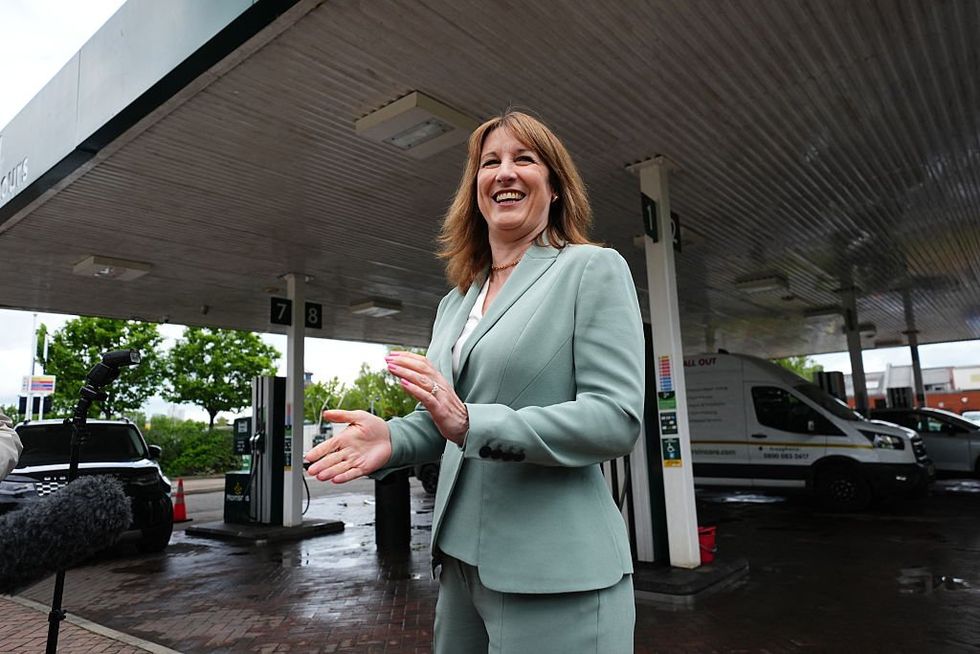
Rachel Reeves urged to abolish state pension triple lock as think tank warns of economic harm
|GETTY
The think tank also predicted costs would rise by a further £13.8billion by 2029-30 if the current system remains in place.
Under the existing arrangement, state pension payments increase according to whichever measure proves highest between September's consumer prices index inflation rate, average earnings growth between May and July, or the 2.5 per cent minimum threshold.
The Resolution Foundation has proposed replacing the triple lock with what it described as a "smoothed earnings" link.
Under that proposal, pension increases would continue to track either wage growth or inflation, whichever is higher, but would include protections designed to prevent unusually large increases.
LATEST DEVELOPMENTS
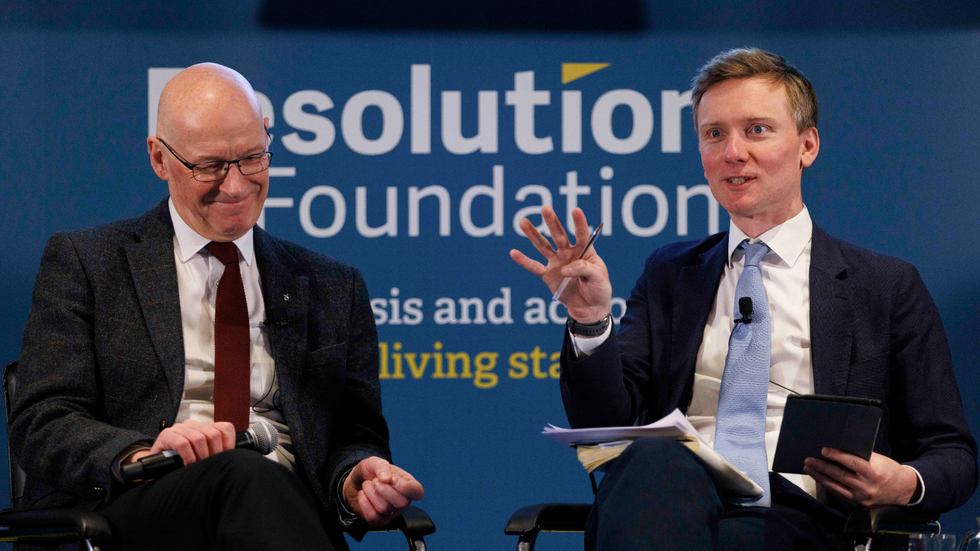 Treasury minister Torsten Bell (pictured right with Scottish First Minister John Swinney) is the former chief executive of the Resolution Foundation | GETTY
Based on current economic forecasts, the think tank said weekly state pension payments would reach £199.65 by 2029-30 under the revised system compared with £200.95 under the existing triple lock.
The Treasury would consequently save around £650million during that year alone.
Ruth Curtice, Chief Executive of the Resolution Foundation, said: "The pensions triple lock is a terribly designed policy that has proven to be far more expensive than originally planned, far less effective at reducing poverty than many hoped, and risks causing further economic harm if it continues for much longer."
She added: "We cannot afford to keep this policy for another parliament. The Government should call time on the triple lock as soon as possible and put the savings to far better use."
Torsten Bell served as chief executive of the Resolution Foundation from 2015 until he was elected as MP for Swansea West in 2024 before later joining the Government as pensions minister.
Several policy recommendations previously advanced by the think tank on issues including the National Living Wage, child poverty and employment rights have since been reflected in Labour legislation.
Research carried out by the Resolution Foundation suggested typical pensioner households now have income levels comparable to non-pensioner households.
It also noted the state pension currently amounts to 30 per cent of median full-time earnings, close to the 31 per cent ceiling recommended by the first pensions commission in 2004.
The Resolution Foundation is not the only organisation to have called for changes to the triple lock in recent months.
The Tony Blair Institute, the Intergenerational Foundation and former Conservative chancellor Jeremy Hunt have all urged ministers to reconsider the policy over the past 12 months.