






The Treasury is offering staff voluntary departure packages worth up to £100,000 as Chancellor Rachel Reeves aims to cut roughly 300 roles by the end of the decade.
The reduction sits within a wider push to trim administrative spending across Whitehall by 16 per cent in real terms.
Although the finance ministry employs around 2,100 people across London, Darlington, Norwich and Edinburgh, it has already imposed a freeze on external recruitment for many non-essential posts.
A spokesman said: "The Treasury is the largest it has been on record, so during this period of stability it's now right we reduce our size back to more normal levels through a voluntary exit scheme, in line with the whole of Government."
Under the scheme, departure payments are calculated at three weeks’ salary for each year of service, capped at 15 months’ pay.
Because the formula applies a maximum salary of £80,000, long-serving officials with more than 21 years in the department could receive the full £100,000.
Launched for London-based staff last summer, the voluntary programme has drawn strong interest.
Up to 200 employees with approved applications will receive confirmation of their individual exit offers before the end of the month.
That timetable keeps the department on track to meet its goal of 300 departures by 2030, although officials have not ruled out compulsory redundancies if voluntary take-up falls short.
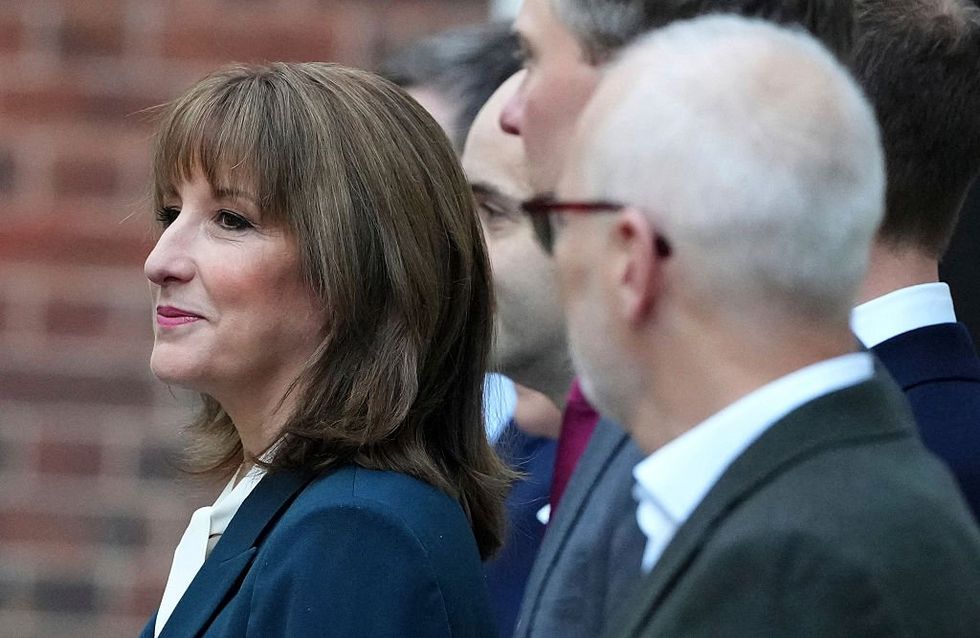
The Chancellor aims to cut roughly 300 roles by the end of the decade
|GETTY
Robert Eagleton, national officer for the FDA union representing Treasury civil servants, said: "Morale in the Treasury is pretty low."
He described the ministry as "one of the lowest-paid government departments" while also experiencing "the highest staff turnover" in Whitehall.
"Our members now face the ongoing uncertainty caused by headcount reductions and recruitment controls," Mr Eagleton said.
"Many are worried about redeployment, the risk of redundancy, and the lack of career progression opportunities."
LATEST DEVELOPMENTS
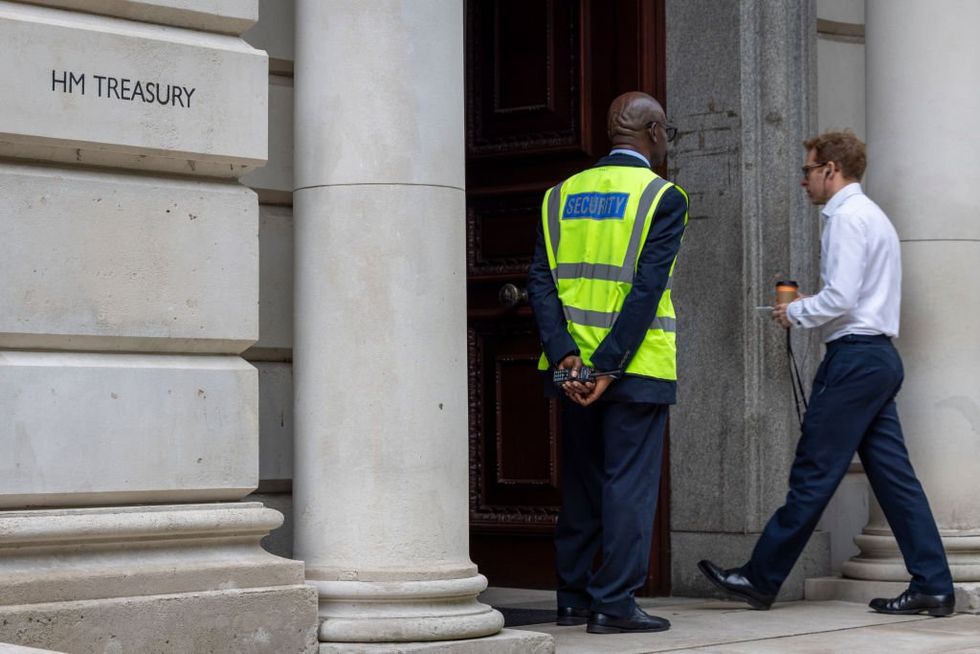
Union leaders have said the economy need these Treasury workers
|GETTY
The unsettled environment has already triggered senior exits, with two directors in the financial services division stepping down.
John Owen left for consultancy EY in September, while Richard Knox is moving to the pension regulator.
Union leaders have also raised concerns about the potential impact of wider job losses.
Abe Allen, industrial officer at the PCS union, warned: "You can't grow an economy without the Treasury officials to guide it, so it would be very misguided for the chancellor to do any kind of widespread redundancy programme."
He confirmed that the department is consulting on “pockets” of restructuring that could lead to compulsory redundancies.
If those localised changes evolve into a broader programme of cuts, the union is prepared to ballot members on possible strike action.
"Nothing is off the table," Allen said, signalling that industrial unrest could follow if deeper reductions proceed.
Treasury staffing has surged over the past decade, with numbers almost doubling, according to the Institute for Government.
Recruitment accelerated after the 2016 Brexit referendum and again during the 2020 lockdowns, leaving what officials now regard as an organisation that has grown beyond sustainable levels.

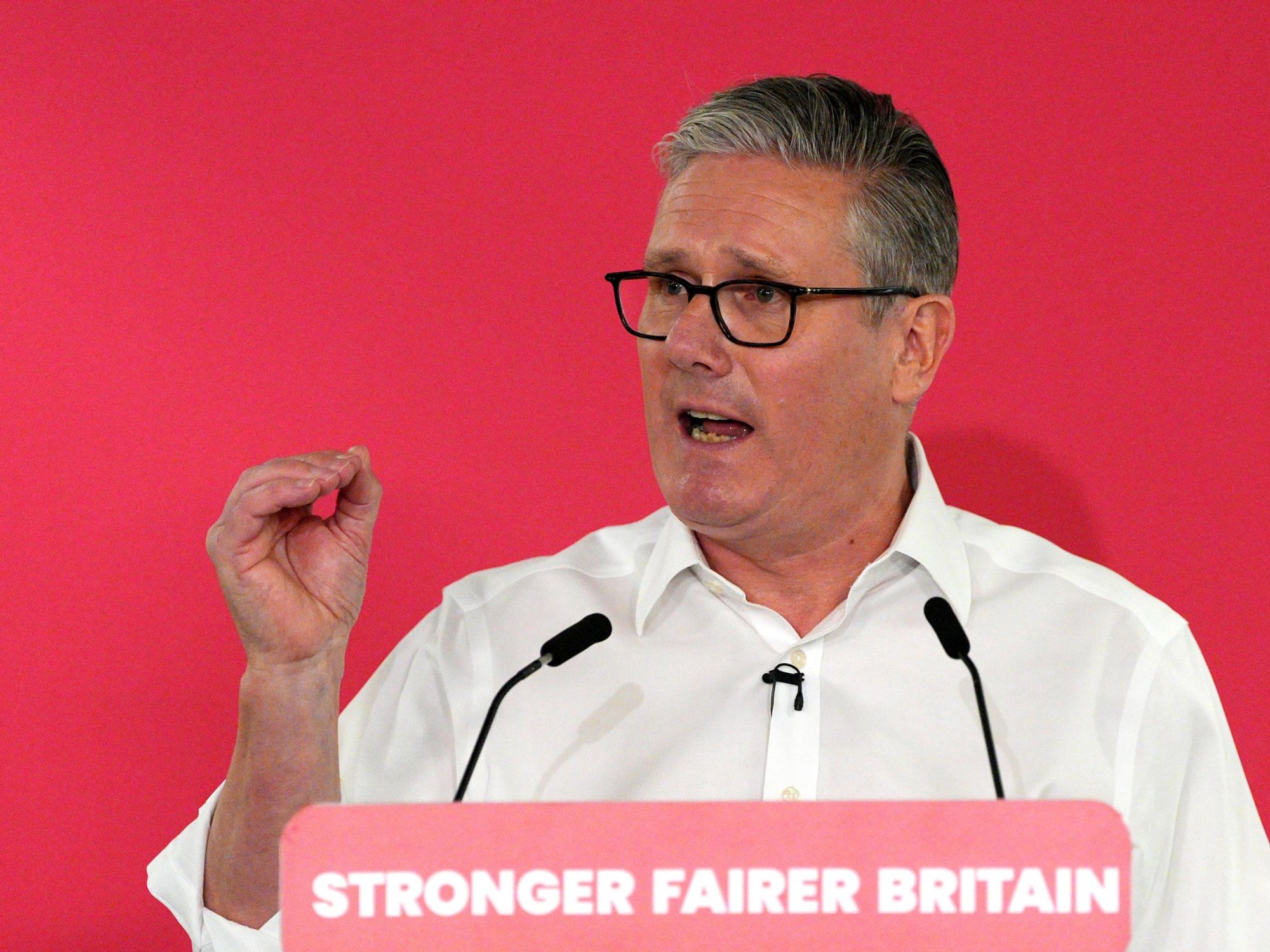
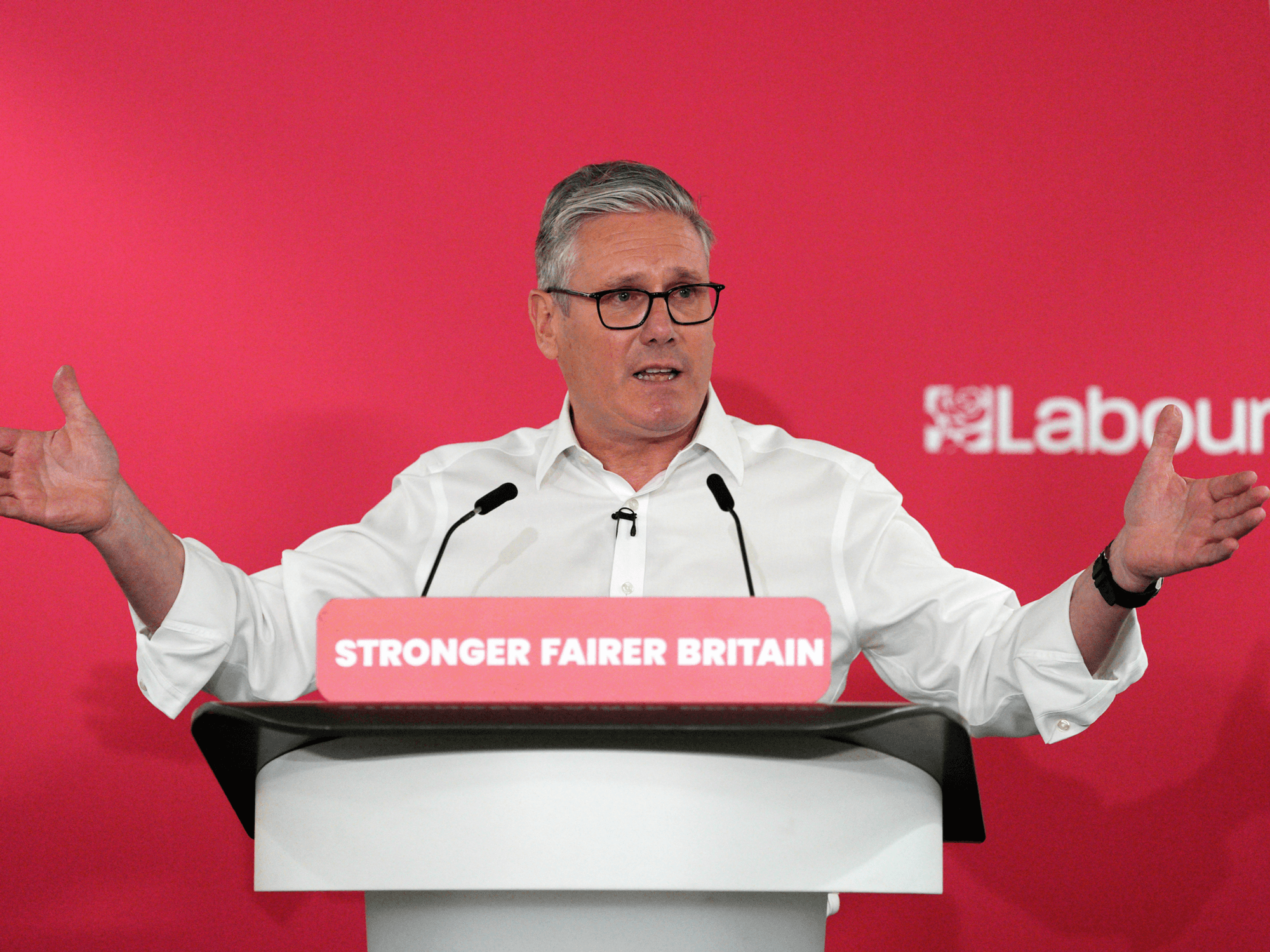
Sir Keir Starmer has moved to trim the cost of employment in the civil service
|GETTY
The Labour Government has signalled its intention to reduce civil service numbers overall, though it has not set specific headcount targets.
Across Whitehall, 36 voluntary departure schemes are currently in operation, supported by around £300 million in allocated funding.
Cat Little, the Cabinet Office's permanent secretary, told MPs last month roughly 5,000 civil servants were expected to have left under these schemes by the end of March.
Officials acknowledge that further voluntary programmes, and ultimately mandatory redundancies, may be required for departments struggling to meet spending limits.
Our Standards: The GB News Editorial Charter