






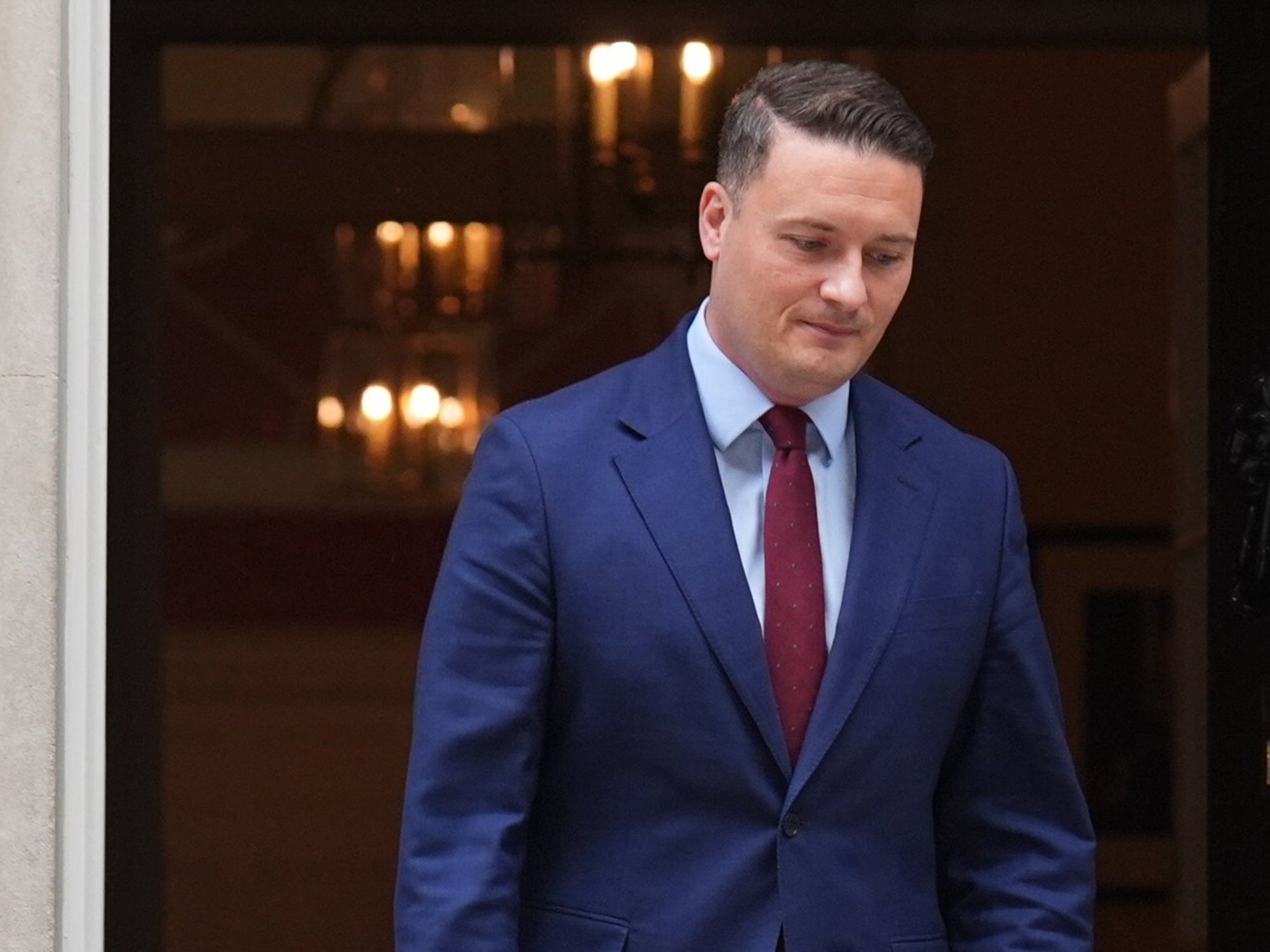



Around one million households are set to lose nearly £900 a year under planned changes to pension tax rules announced by Chancellor Rachel Reeves, according to new analysis.
The reforms would affect millions of workers who use salary sacrifice schemes to boost their pension savings while reducing the amount of National Insurance they pay.
A report published by the Institute for Fiscal Studies found that around one million households across the UK will lose an average of £888 annually once the changes take effect in April 2029.
The think tank said 4.7 million employees are expected to be affected overall, with those impacted seeing their finances squeezed by around £540 a year on average.
The wealthiest tenth of earners are expected to face the biggest losses.
The Chancellor announced the measures in her last Budget, introducing a £2,000 limit on salary sacrifice pension contributions before National Insurance becomes payable.
Salary sacrifice schemes allow employees to exchange part of their wages for benefits that are not taxed in the same way as normal pay.
At present, pension contributions made through these arrangements avoid both income tax and National Insurance.
Workers currently pay National Insurance at 8 per cent on earnings up to £50,270, while a 2 per cent rate applies above that threshold. Employers also pay a 15 per cent charge.
Under the new rules, any pension contributions exceeding £2,000 made via salary sacrifice will attract National Insurance.
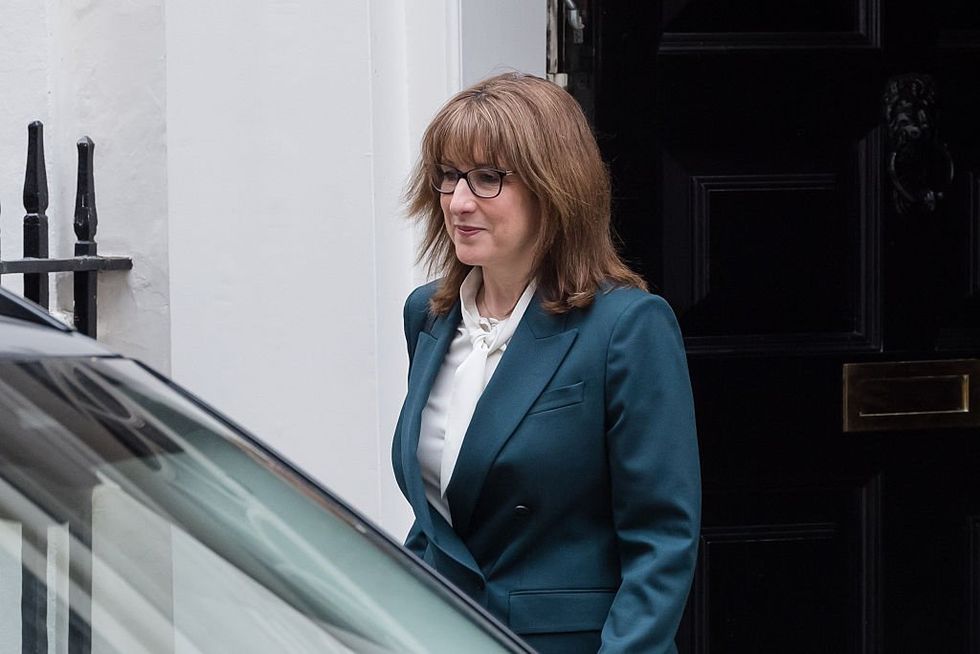
Under the new rules, any pension contributions exceeding £2,000 made via salary sacrifice will attract National Insurance
| GETTYThe IFS warned this will shrink workers' pay packets while pushing up costs for businesses.
Companies presently benefit from reduced NI bills when staff use these schemes, since the tax only applies to wages remaining after pension deductions are made.
Private sector employees face a disproportionate impact from these reforms. Some 18 per cent of workers in private businesses contribute more than £2,000 through salary sacrifice, compared with just 7 per cent in the public sector.
Public sector staff typically receive larger employer pension contributions, which remain unaffected.

Public sector staff typically receive larger employer pension contributions, which remain unaffected
| GETTYSir Steve Webb, former pensions minister and now a partner at LCP, cautioned that the policy reaches beyond high earners.
"The policy doesn't just affect people putting thousands into pensions. It affects people on modest wages, who may not be putting much in a pension, but whose pay just gets held down for possibly years because of all of this," he said.
He warned that some employers may abandon salary sacrifice schemes entirely, at a time when retirement savings are already inadequate for millions of Britons.
The reforms represent one of the largest revenue-raising measures from last year's Budget, with the Treasury expecting to collect £2.6bn by the early 2030s.

The Office for Budget Responsibility has previously suggested the changes could have broader consequences for workers
| GETTYThe Office for Budget Responsibility has previously suggested the changes could have broader consequences for workers, with firms likely to offset their increased costs by limiting pay rises.
Sir Steve Webb added that businesses would need "to divert time and energy to recouping the costs and perhaps rearranging their pensions instead of getting on with the day job of creating jobs and growth".
Matthew Oulton, a research economist at the IFS, criticised the added complexity. "Rather than being a principled reform to the taxation of pensions, the change creates another new arbitrary line in the tax system," he said.
The Government disputed the figures, stating the "vast majority" of people would remain unaffected.