






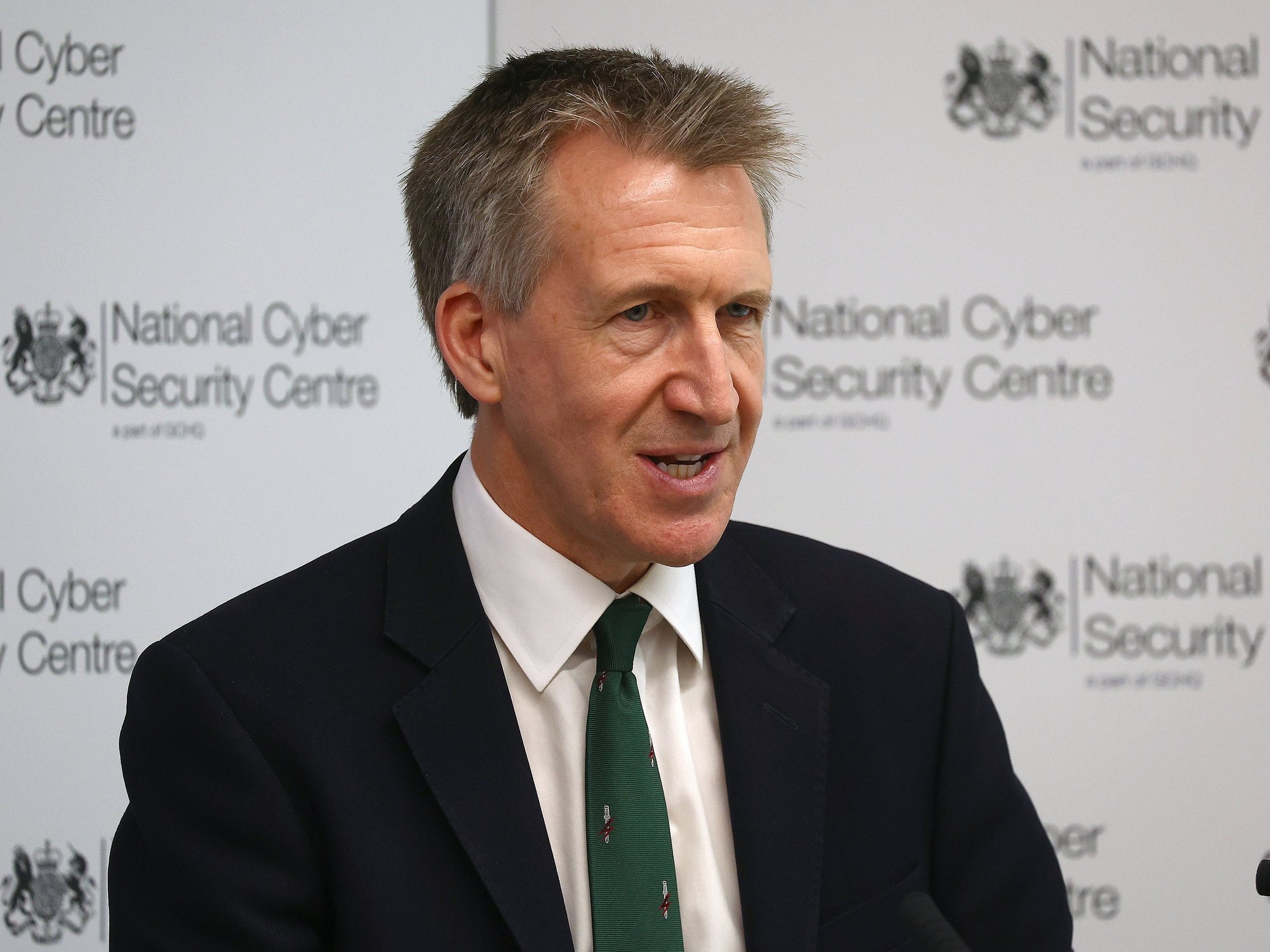



Chancellor Rachel Reeves has acknowledged that critics have a "valid argument" against her decision to increase employers' national insurance contributions while defending the policy as necessary to fund the NHS.
Speaking before Parliament's Treasury Committee on Wednesday, Ms Reeves accepted that the tax increase has attracted legitimate criticism from businesses and economists.
The Chancellor said: "I do recognise, and it's a valid argument to say that that should not have happened.
"But if that didn't happen, we wouldn't have been able to put the money into the NHS and reduce waiting lists."
Ms Reeves said the measure, announced in her first Budget in 2024, was required to ensure public services received sufficient funding.
She told MPs that the policy has helped deliver a £29billion annual funding increase for the NHS.
The Chancellor appeared before the committee against the backdrop of growing concerns about youth unemployment in the UK.
Official statistics released last month showed the number of young people not in employment, education or training has risen close to one million.
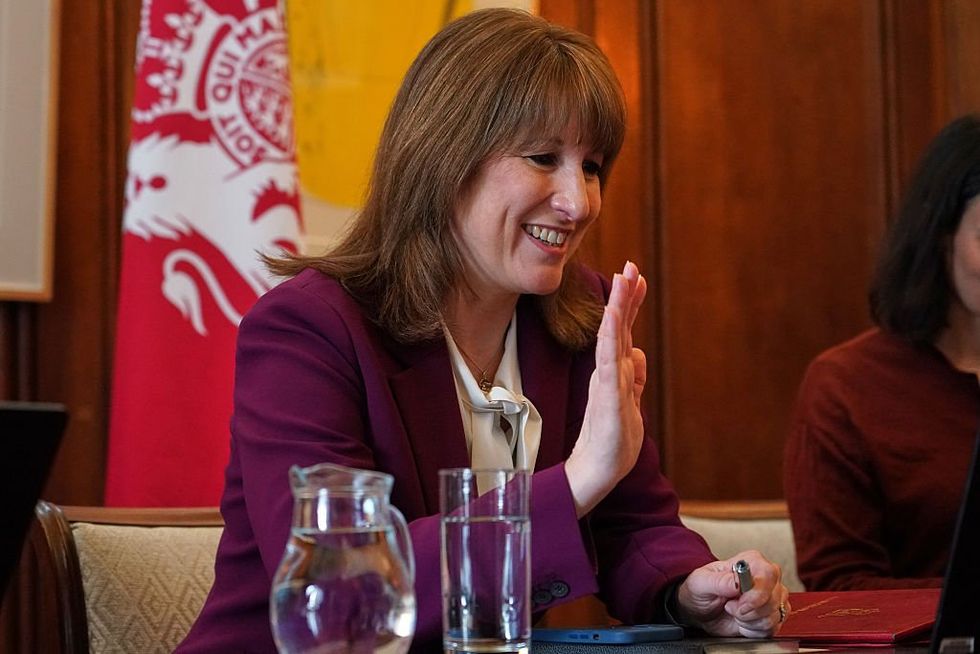
The policy delivered £29billion extra funding for the NHS
|GETTY
Figures from the Office for National Statistics (ONS) recorded 957,000 so-called NEETs aged 16 to 24 between October and December.
That figure represents an increase from 946,000 in the previous quarter.
Ms Reeves acknowledged the scale of the issue and told MPs that youth unemployment presents a particular challenge for the Government.
She said: "I do recognise there are particular issues around youth unemployment."
LATEST DEVELOPMENTS
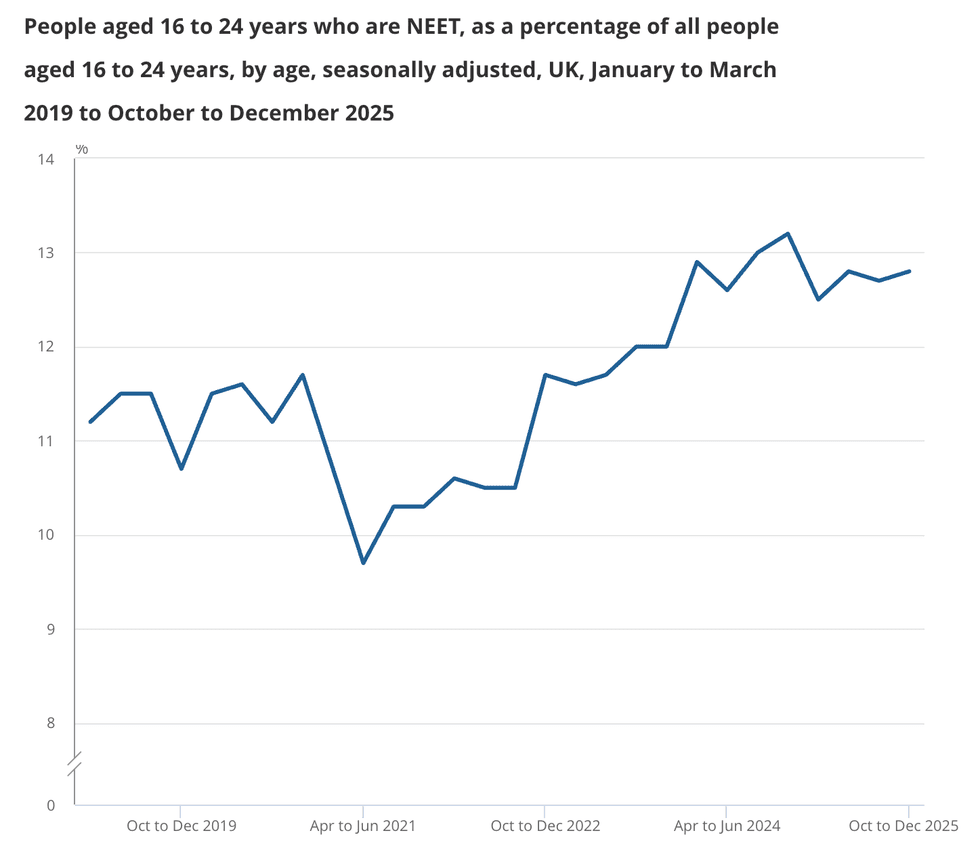
There are nearly a million people classed as NEETS
|ONS
However, the Chancellor said the current situation largely reflects trends that developed before the present Government took office.
Ms Reeves said: "A lot of that, with respect, we inherited with a big increase in the young people not in education, employment or training."
The Government is planning several measures aimed at addressing the problem.
Ms Reeves said new initiatives designed to support young people into work will begin next month.
A central part of the strategy involves expanding apprenticeship opportunities targeted at younger workers.
The Chancellor also highlighted the Government's youth guarantee scheme.
The programme promises guaranteed paid employment to eligible young people who have spent 18 months outside education or work.
Ms Reeves said: "We are facing into that with actions coming on stream from next month."
The Chancellor argued that improvements in NHS performance could also have wider benefits for the labour market.
She said: "Reducing waiting lists in the NHS is also good for business, because it means that more people are available for work, and the workforce is healthier."

Businesses have expressed concerns over spiralling employment costs
|GETTY
Businesses have expressed concern about rising employment costs following the increase in employers' national insurance contributions.
Some firms have said the higher tax burden, combined with increases in the minimum wage, has led them to adopt a more cautious approach to recruitment.
Separate figures published earlier in February by the ONS indicated broader pressure across the labour market.
The data showed the UK's unemployment rate reached 5.2 per cent during the three months to November.
The figures highlight the challenge facing the Treasury as it attempts to fund public services while maintaining conditions that support job creation.
Officials have said the Government will continue monitoring labour market trends as new employment measures are introduced in the coming months.