







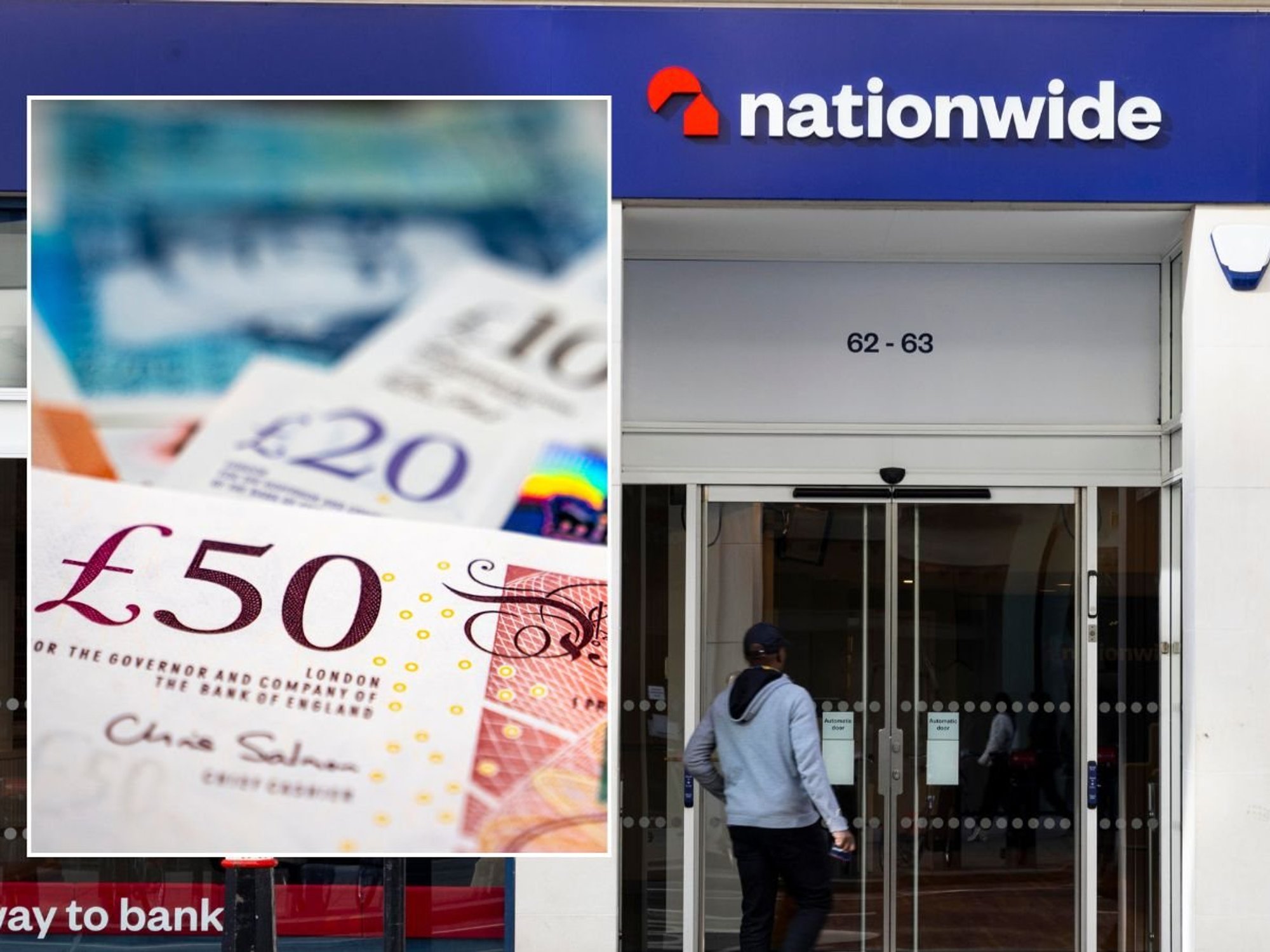

Small businesses across Britain are bracing for a significant challenge as the National Living Wage climbs to £12.71 per hour from April 1 2026, marking a substantial 22 per cent increase over just three years.
The rise, up from £10.42 in April 2023, represents an additional £2.29 hourly for workers aged 21 and over.
Yet experts warn this rapid escalation is creating a phenomenon known as "wage compression" that threatens to undermine workplace hierarchies.
The problem they say is that while entry-level staff receive mandated increases, many supervisors and team leaders have seen nothing approaching a 22 per cent pay boost during the same period.
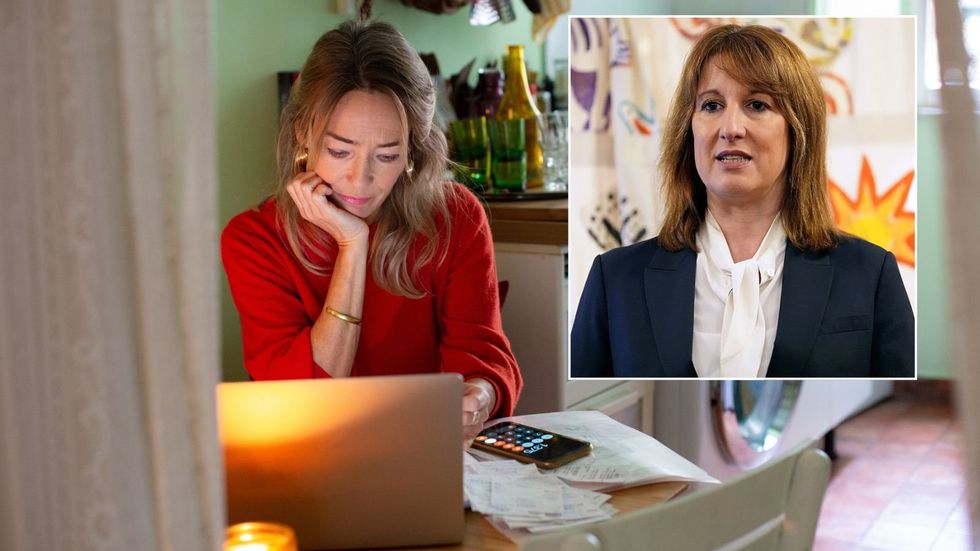
Small businesses across Britain face mounting pressure as the National Living Wage jumps to £12.71 from April 2026 — a 22 per cent rise in just three years
|GETTY
The result is a dramatically narrowing gap between those who manage and those they oversee, leaving senior staff with added responsibilities but little financial recognition, experts report.
Kate Underwood, founder of Southampton-based Kate Underwood HR and Training, has identified wage compression as a growing crisis that makes promotions increasingly difficult to justify.
She told Newspage: "If your supervisor is on £13 per hour, the 'reward' for managing people, fixing problems, handling customers and taking the heat is just an extra few 10ps an hour.
"That's not a promotion. That's a punishment with a lanyard."
Ms Underwood warns this "kills motivation, makes progression pointless and pushes your best people out the door."
Her proposals include establishing meaningful pay differentials of at least £1-2 per hour, introducing skill-based progression steps, and streamlining team leader responsibilities so the role becomes manageable, rather than a repository for unwanted tasks.
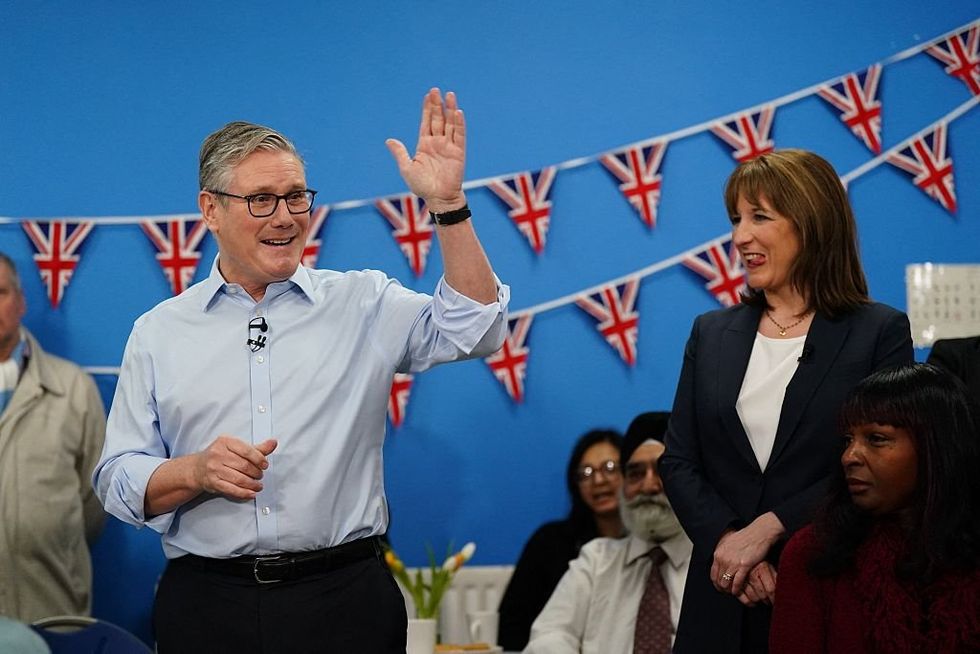
Labour have been accused of rendering leadership positions 'pointless' due to their lack of business competence
|GETTY
Colette Mason, an author and AI consultant at London-based Clever Clogs AI, said: "After the 22 per cent increase, you've got a supervisor on £13 earning 29p more than the team they manage, for solving the problems, salvaging the deal, handling complaints, covering shifts and sickness and taking all the heat."
In assessment of Labour's policymaking, she said they had "made leadership pointless, leaving businesses to foot the bill to correct the labour market problem."
She said that smaller enterprises are having to source funds they don't have to restore pay differentials, eliminate supervisory positions, and watching talented staff depart.
She said being a team leader "has become a mug's game," adding: "Yet again, Labour fails to understand what running a business is like."

Mr Belle said while the Minimum Wage rises, people on Universal Credit will choose to work less since they're earning more or the same, for the same or fewer hours of work
| GETTYDavid Belle, founder of Fink Money, highlighted a compounding difficulty arising from the interaction between rising minimum wages and the Universal Credit taper.
He explained: "While the Minimum Wage rises, people on Universal Credit will choose to work a bit less since they're earning more or the same, for the same or fewer hours of work."
Mr Belle described the overall situation as "a nightmare for businesses," warning that the implications extend to working hours at firms employing staff on zero hours contracts, many of whom prefer such arrangements for their flexibility.
He also cautioned about unintended consequences for graduates, whose take-home pay may suffer due to fiscal drag as wage thresholds fail to keep pace with broader economic shifts.