









Small and medium-sized enterprises (SMEs) could reduce their energy bills by up to 40 per cent by switching to flexible pricing tariffs, according to industry data.
Dynamic tariffs, including Octopus Energy’s Shape Shifters and Agile products, are increasingly being used by smaller businesses seeking to lower operating costs amid sustained pressure from high energy prices.
Energy providers claim firms can typically save around 25 per cent without significantly altering energy usage patterns.
Businesses that are able to shift a larger proportion of consumption to cheaper off-peak periods could see savings of up to 40 per cent.
TRENDING
Stories
Videos
Your Say
Around half of SMEs are estimated to already have smart meters installed, meaning many businesses could be able to access flexible tariffs without further infrastructure upgrades.
One business owner who has adopted the system is Lesley Adams, who runs independent Yorkshire florist Simply Flowers.
She said the shop has reduced its energy bills by 22 per cent since switching to the Shape Shifters tariff, equating to approximately £400 in annual savings.
Ms Adams said: “At the moment everything is usually going up, so it's really nice to find something where we can actually save some money.
“Wages are going up, the cost of products is going up, so it's just nice to find somewhere we can manage to save a bit.”
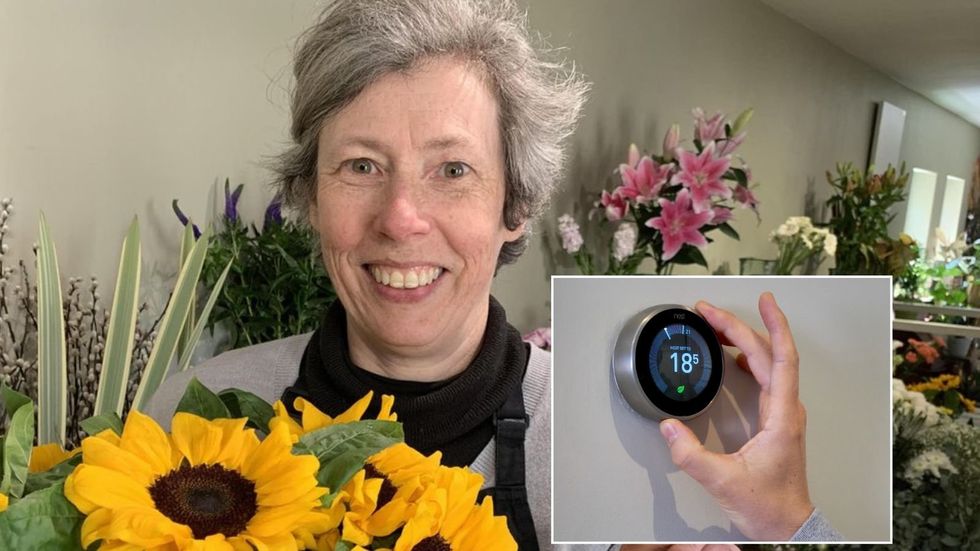
Octopus energy tariff saves woman £400 on her bills
|Octopus
She said the business has shifted 98 per cent of its peak-time electricity consumption into off-peak hours, with savings becoming visible immediately after the change.
Simply Flowers operates between 9am and 5pm, Monday to Saturday, meaning only the final hour of trading overlaps with peak pricing periods, typically between 4pm and 7pm.
To reduce costs, Ms Adams adjusted the shop’s infrared heating panels to switch off at 4pm, relying on residual heat to maintain temperatures until closing.
She also changed electric vehicle charging schedules, moving charging to midnight rather than during higher-cost periods.
Ms Adams said: “It's not difficult at all.”
The business also uses solar panels and battery storage systems, allowing electricity to be stored ahead of peak pricing periods and used later in the day.
Heating is now primarily run overnight, between midnight and 4am.
LATEST DEVELOPMENTS

The Shape Shifters tariff was designed to offer a simplified version of dynamic pricing
| GETTY/OCTOPUSZoisa North-Bond, chief executive of Octopus Energy for Business, said the Shape Shifters tariff was designed to offer a simplified version of fully dynamic pricing.
She said businesses receive three main price bands: a lower overnight rate from midnight to 7am, a daytime rate until around 4pm, and a peak tariff during evening demand periods, when prices can rise significantly depending on wholesale market conditions.
Ms North-Bond said safeguards were built into the system to reduce exposure to extreme price spikes.
Businesses can trial the tariff for one month and exit if it does not suit their usage patterns.
The peak rate is also capped at around £1 per unit, with the cap only being reached once in approximately 18 months.
She said: “Through our tech, we look at consumption patterns and make sure products are fit for customers so we know they're going to save money first and foremost.”

The reduced energy costs have allowed her to increase contributions to her pension
|GETTY
Manufacturing firms are expected to be among the businesses most able to benefit from flexible pricing.
Companies that can run automated machinery overnight rather than during daytime hours may be able to significantly reduce energy costs without changing output levels.
Industry figures suggest flexible tariffs could also help balance demand across the electricity grid by encouraging usage during periods of lower demand or higher renewable generation.
Ms North-Bond said flexible pricing is likely to become increasingly important as the energy system transitions, noting that businesses typically have access to around 21 hours of off-peak pricing each day.
For Ms Adams, the financial savings have provided additional financial stability. She said the reduced energy costs have allowed her to increase contributions to her pension.
More From GB News