








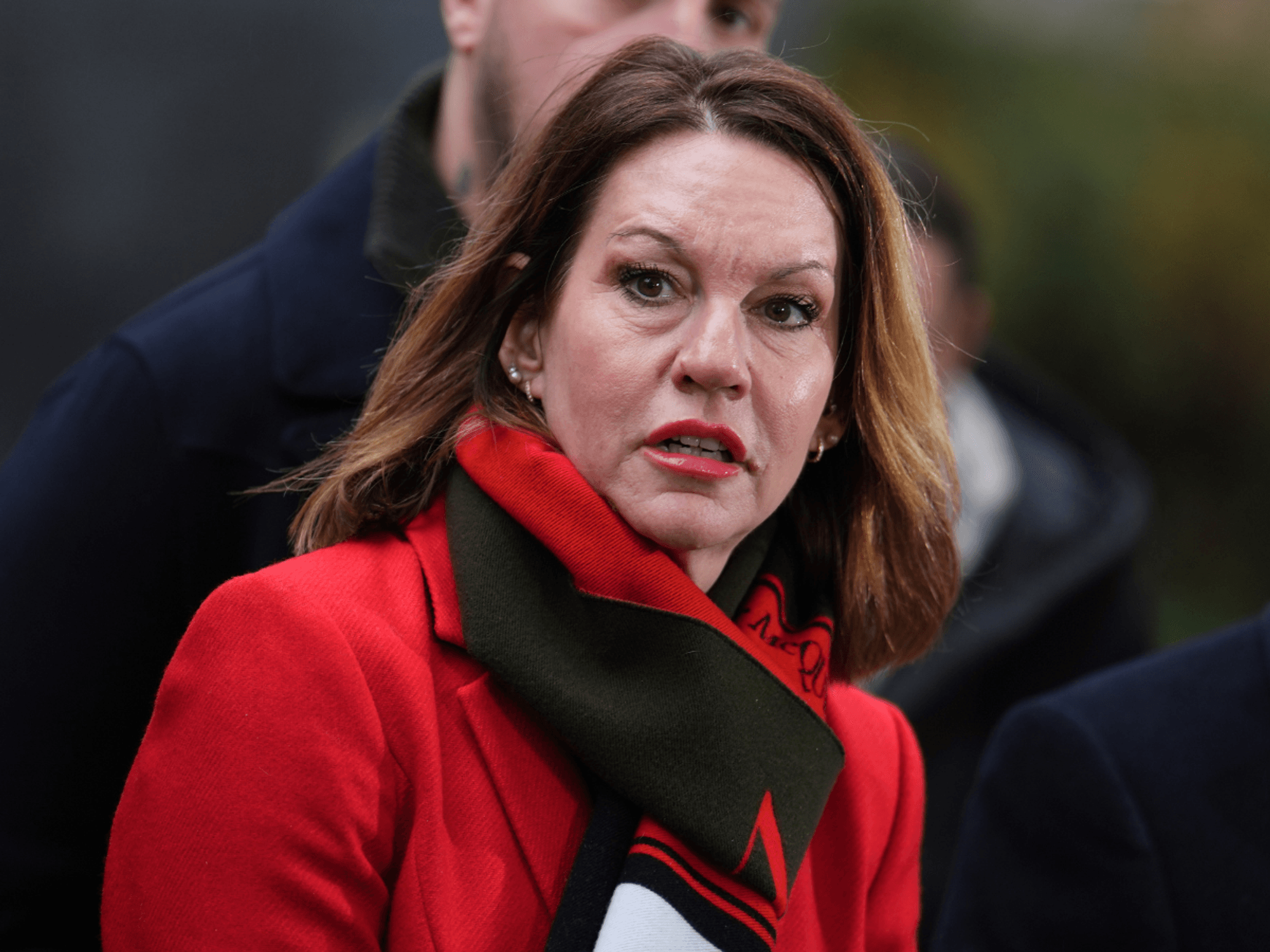

Labour's “Net Zero obsession” has damaged the British economy and its plans to address the energy shock are “too little, too late”, the Shadow Chancellor has said.
Energy Secretary Ed Miliband unveiled measures aimed at weakening the link between global gas market prices and the cost of UK electricity, with the war in the Gulf driving prices up. Mr Milband declared “the era of fossil fuel security is over” as he announced the plans, which include a hike in the windfall tax on low-carbon electricity generators from 45 per cent to 55 per cent.
The Government is also proposing a voluntary move by “legacy” clean power generators, which supply around a third of Britain’s power, onto fixed-price contracts, or Contracts for Difference, to help protect consumers from volatile prices. However, Shadow Chancellor Mel Stride told the Commons the Government needed to go further.
He called on it to scrap carbon taxes and renewable subsidies, “which are pushing up bills”. The Tories have pledged to ditch all carbon taxes, which increase the price of fossil fuels, if elected.
Mr Stride said: “The current crisis shows how exposed we are and how damaging the Government’s Net Zero obsession has been to our economy, to households and to businesses. The Government is right to want to reduce that exposure, but is doing too little too late. We need an urgent change in course, not dither and delay. We need a proper, cheap power plan to get bills back down and we need it now.”
Responding, Chancellor Rachel Reeves said the government is investing in and reforming the energy market “so that we can take back control of our energy security”. She added: “The shadow chancellor says that the response to the fossil fuel crisis is to rely more on fossil fuels and to reduce investment in clean, home-grown energy.”
Mr Miliband said the Government has been “relentless” in pursuing a clean power agenda, adding, “our actions must now be faster, deeper and more wide-ranging”. But Tone Langengen, energy policy expert at the Tony Blair Institute (TBI), said unless energy costs are brought down, the plans “won’t deliver”.
She pointed out even with changes to the legacy generators, consumers still had a number of additional levies on their bills that needed to be addressed. Without action on these, the proposals will have a "limited impact" on bills, she said.
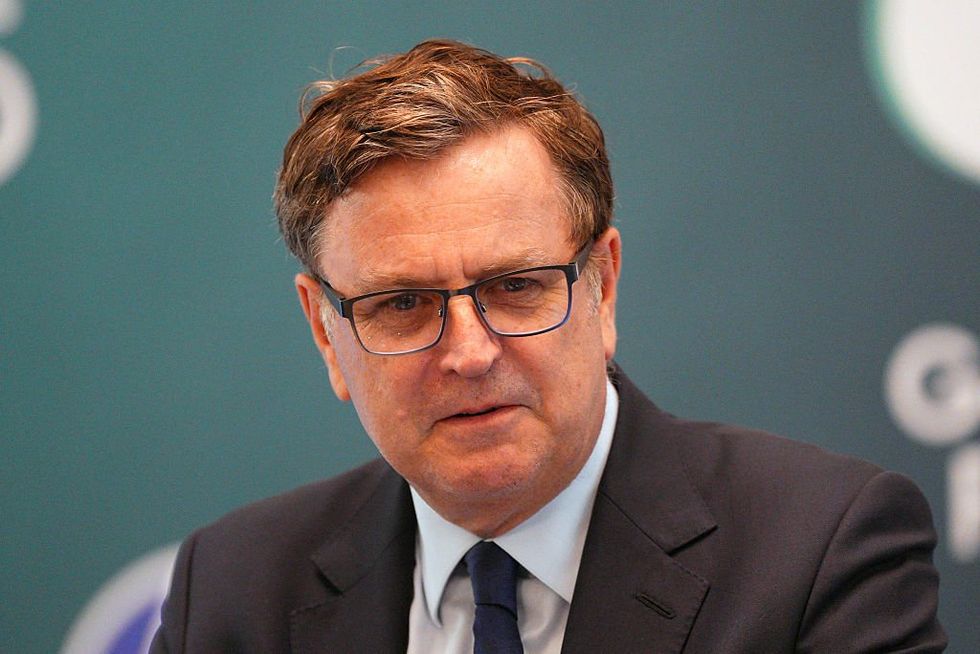
Shadow Chancellor Mel Stride called on the Government to scrap carbon taxes and renewable subsidies 'which are pushing up bills'
|GETTY
She explained: “TBI supports Net Zero by 2050, but simply doubling down on clean power alone – and moving too fast without bringing costs down – won’t deliver. Most people agree about the transition; the real question is the speed at which you do it and the price you pay.”
She added: “Breaking the link between gas and electricity prices is the right ambition but it’s unlikely to deliver meaningful bill reductions on its own and will need careful design to avoid pushing costs up. In practice, moving existing renewables onto fixed-price contracts may reduce exposure to volatile wholesale prices, but that’s only part of the story. A growing share of bills now comes from network costs, system balancing and constraints – and without tackling those, changes to wholesale pricing will have limited impact on what families pay.”
Energy bosses cautiously welcomed the proposals, although they warned the Government needed to be careful not to scare off investors with “ambiguous briefings” about policy. Chief Executive of Energy UK, Dhara Vyas, said the plans would help to fulfil “the promise of warmer homes and cheaper bills”.
She said: “The rapid increase in low-carbon generation is already decoupling gas from electricity prices. But the introduction of wholesale voluntary Contracts for Difference for older low-carbon generation could play a positive role in further reducing the impact of gas on retail electricity prices.”
LATEST DEVELOPMENTS
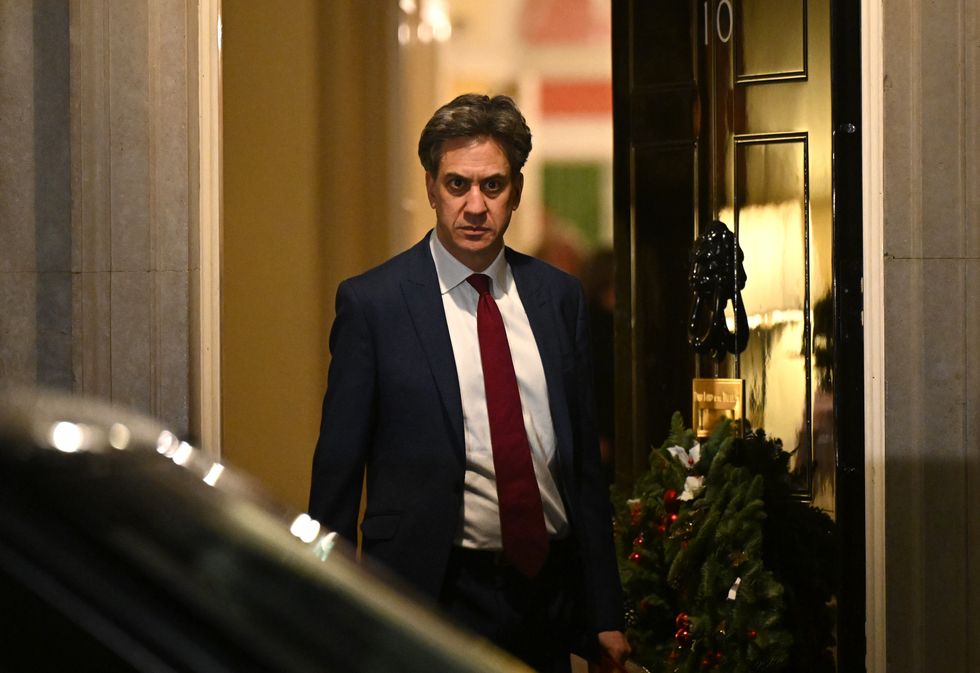
Energy Secretary Ed Miliband unveiled measures aimed at weakening the link between global gas market prices and electricity costs
| GETTYMs Vyas called for more clarity in the future, saying poor communications from the Government created uncertainty for investors. She said: “The UK wins when there is the stability and certainty for companies to invest. Sudden and ambiguous briefing of potential tax and policy changes outside a fiscal event, like the budget, damage the UK’s investability and result in uncertainty for businesses and customers.”
Tara Singh, Chief Executive of RenewableUK, also warned investors were facing a lack of certainty. She said: “At a time when ministers are hoping to attract record levels of investment into renewables, uncertainty over changes to taxation needs to be clarified immediately so it does not drive up the cost of investment.”
But Ms Singh broadly welcomed the Government proposals, saying: “The key step of reducing the link between the volatile global gas prices and the cost of electricity is the best way to protect households, businesses and industries against the unpredictable and volatile costs of fossil fuels in the long term, to strengthen the UK’s energy security.”
Prime Minister Sir Keir Starmer said: “We need to get off the fossil fuel roller coaster – this will make energy bills more stable and take the pressure off family budgets. “When global gas prices spike, people here shouldn’t be picking up the tab. Our focus is simple: easing pressure on household budgets now, while building a homegrown energy system that protects families from global instability in the years ahead.”
Our Standards: The GB News Editorial Charter