







Around 165,000 property owners across England face additional annual charges under Rachel Reeves's new mansion tax, according to new figures published by the Office for Budget Responsibility.
The High Value Council Tax Surcharge will come into effect from April 2028, targeting homes valued above £2million.
Homeowners caught by the levy will pay between £2,500 and £7,500 annually on top of their existing council tax bills, depending on their property's worth.
The Treasury anticipates fewer than one per cent of English properties will be subject to the surcharge, which forms part of the Chancellor's broader package of tax increases designed to meet her fiscal targets.
The policy is forecast to generate £400million in its inaugural year of 2028-29, with revenues climbing to £435million by 2030-31.
Under the scheme, officials will conduct fresh valuations of properties currently sitting in council tax bands F, G and H.
Yet the OBR has indicated that a substantial proportion of homeowners may successfully challenge their assessments.
The fiscal watchdog estimates that four in ten appeals against property valuations could succeed, attributing this high success rate to the narrow price bands and the complexities of valuing higher-end homes.
The surcharge operates across four distinct price brackets, with thresholds set to rise in line with inflation annually.
Properties valued between £2million and £2.5million will attract the minimum charge of £2,500, with approximately 71,000 homes falling into this category.
 The Chancellor's proposals would introduce an annual council tax surcharge on homes valued at more than £2million from 2028 | GETTY / TAX POLICY ASSOCIATES
 A further 79,000 properties worth between £2.5million and £5million will face charges in the middle bands. At the top end, owners of homes exceeding £5million in value will pay the maximum £7,500 yearly surcharge.
Official estimates suggest roughly 15,000 properties sit in this highest bracket, generating an anticipated £112.5million in revenue from this group alone.
When announcing the measure, the Chancellor stated she was taking "further steps to deal with a longstanding source of wealth inequality in our country".
However, the Institute for Fiscal Studies offered a mixed assessment of the proposal.
LATEST DEVELOPMENTS:
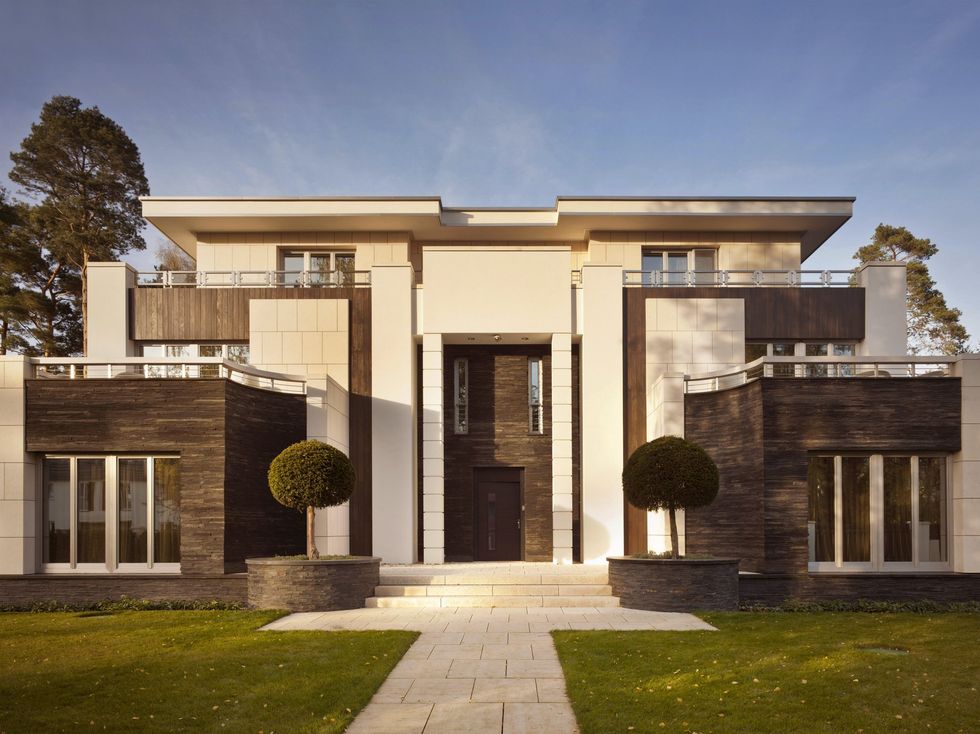
Homes worth £1million or more in Scotland are also set to face higher council tax under new 'mansion tax' style plans
| GETTYThe think tank, which has previously argued that council tax band revaluation is "long overdue", responded to the Budget by saying: "There's a reasonable case for levying more high-value homes, but the design of this tax leaves much to be desired."
London and the South East will bear the brunt of the new levy, owing to significantly higher property values in these regions compared with the rest of England.
The majority of affected homes are located in the capital.
Homes worth £1million or more in Scotland are also set to face higher council tax under new 'mansion tax' style plans announced in the Scottish Budget.
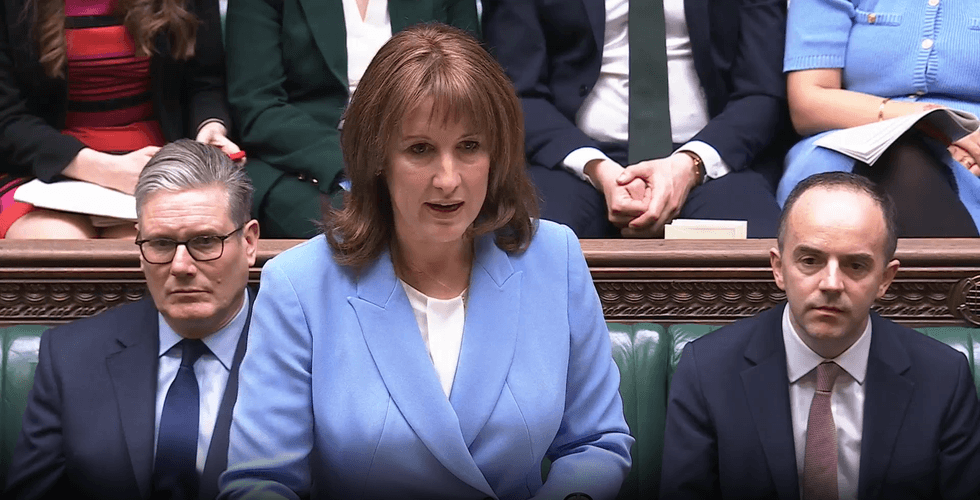
When announcing the measure, the Chancellor stated she was taking "further steps to deal with a longstanding source of wealth inequality in our country"
| POOLThe Scottish Government said the move is designed to "improve fairness at the top end of the system", while keeping the wider council tax framework unchanged.
Officials said the change reflects concerns that multi-million-pound homes currently pay similar bills to more modest properties, and will ensure the "very highest value properties make a fairer contribution".
Fewer than one per cent of households are expected to be affected, with the new bands set to come into force from April 1, 2028.
Charlene Young, senior pensions and savings expert at AJ Bell, said: "although this might appear tougher than the England and Wales mansion tax, it is unlikely to raise much in the way of extra revenue for Scottish councils and is more about the message and optics of moving to what the SNP views as a fairer system."