









Millions of households across England will see their Council Tax bills rise from April 1, with the average Band D property facing an additional £111 annually.
The increase brings typical bills to £2,392 per year, representing a rise of approximately 4.9 per cent compared with an inflation rate of 3 per cent.
Local authorities are under financial pressure, with the Local Government Association (LGA) stating councils need to raise charges to maintain essential services.
Out of 384 English councils, 274 are implementing the maximum permitted five per cent increase, while a further 50 are raising rates close to that threshold, according to Ministry of Housing, Communities and Local Government figures.
TRENDING
Stories
Videos
Your Say
The rises follow similar increases last year, adding further pressure to household budgets.
Seven councils have received Government approval to impose higher increases, typically granted to authorities facing significant financial challenges.
Shropshire and North Somerset will see some of the largest increases, with Band D bills rising by nine per cent on average.
Worcestershire is also implementing a nine per cent increase.
Council Tax rise 2026: Bills increase by £111 as most English councils raise rates
|GETTY
Three authorities – Trafford, Warrington and Windsor & Maidenhead – are raising bills by 7.5 per cent.
Bournemouth, Christchurch & Poole will increase charges by 6.75 per cent.
At the lower end, residents in Hartlepool, Middlesbrough, Rutland and Merton face increases of around 2.5 per cent.
Analysis shows 124 of the 153 councils responsible for adult social care are imposing rises of 4.99 per cent or higher, reflecting increased demand for services.
LATEST DEVELOPMENTS
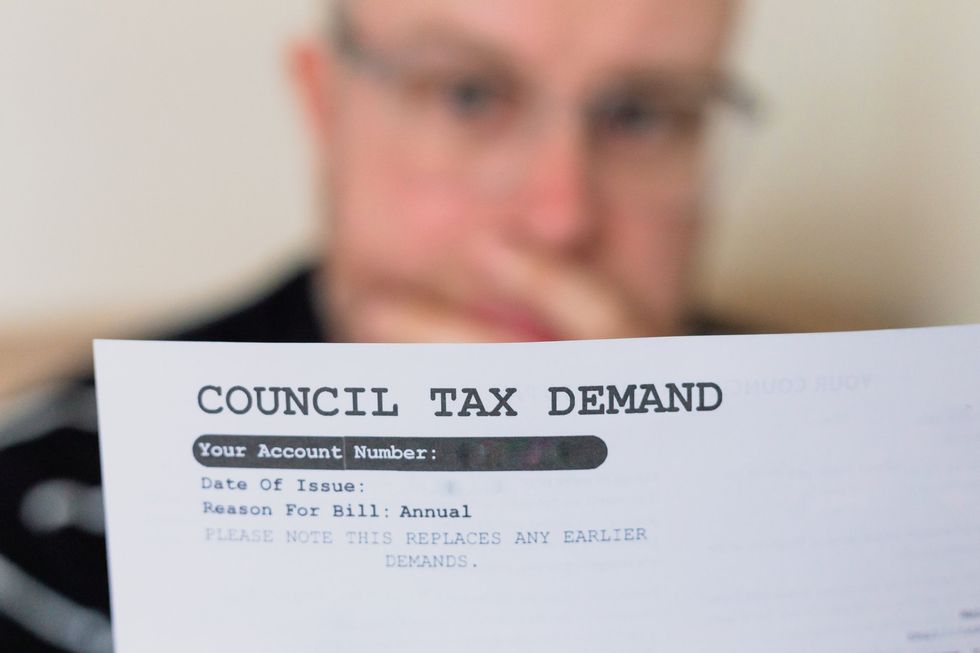
Households in Scotland will also see increases, with Council Tax rising between four per cent and 10 per cent depending on location
|GETTY
Aberdeenshire and Moray will see increases of 10 per cent.
Argyll and Bute is set to rise by 9.7 per cent.
East Dunbartonshire will increase by 9.5 per cent, with Angus at 9.38 per cent and Midlothian at nine per cent.
Edinburgh has the lowest increase in Scotland at four per cent, followed by Fife at five per cent.
Glasgow City will see a 5.9 per cent rise, while Highland and North Lanarkshire both face increases of seven per cent.
All Scottish councils are increasing bills above the current inflation rate.
Unlike England, Scottish authorities do not face individual caps on different elements of their Council Tax charges.
In Wales, Council Tax increases are generally lower, with most rises between 4 per cent and 5 per cent.
The Vale of Glamorgan and Conwy will see increases of 6.5 per cent.
Neath Port Talbot has the lowest increase at 3.5 per cent.
Cardiff and Swansea will see rises of 3.9 per cent, while Rhondda Cynon Taf is increasing by 4 per cent.
Owen Mapley, chief executive of the Chartered Institute of Public Finance and Accountancy, said councils are facing rising costs and demand for key services.
"In particular, pressures in services that councils have strict legal obligations to provide, such as adults' and children's social care, special educational needs and disabilities and homelessness are continuing to grow."
Many households may qualify for Council Tax discounts ranging from 25 per cent to 100 per cent, including students, carers and those on low incomes.