









Landlords have been warned that a proposed "double lock" rent cap could limit annual increases to whichever is lower between inflation and wage growth.
Some 2.4 million people in the UK currently face unaffordable rents, defined as spending more than 30 per cent of gross income on housing, new figures show.
The Institute for Public Policy Research, a think tank with close ties to the Labour government, published analysis calling for the measure to tackle soaring housing costs across England.
According to the IPPR's calculations, these figure will climb by a further 340,000 by the decade's end without intervention.
Its research indicates that 45 per cent of private tenants are now living in unaffordable accommodation, representing an increase of over 250,000 households since 2023/24.
Dr Maya Singer Hobbs, the paper's author, argued that rent caps offer the quickest route to bringing down housing costs for millions of struggling tenants.
"There are millions of people living with unaffordable housing costs, and if you want to bring those down quickly there are not many options," she said.
"You could spend a lot more money on housing benefit, but that is expensive. You could invest in new supply, but that takes a long time to feed through into costs.
"That's why we are calling for a rent cap, albeit carefully tailored."
The proposal comes as Chancellor Rachel Reeves weighs up measures to address rising living costs driven by the Iran conflict, now in its eleventh week.

Lanlords to be hit with 'double lock' rent cap under new proposals
| GETTYWith the Strait of Hormuz remaining closed, UK inflation is forecast to rank among the highest in the G7 this year.
Ms Reeves is expected to announce a cost of living package later this month, likely including energy bill support.
She told the Commons last month: "I will do everything in my power and use every lever we have to bear down on the cost of living, including for people in the private rented sector."
Under the IPPR's proposal, private sector rents would be capped at the lower of the 12-month average of consumer price inflation or wage growth, applying to both existing and incoming tenants.

To maintain housing development, newly constructed properties would be exempt from the cap for their first decade
| GETTYTo maintain housing development, newly constructed properties would be exempt from the cap for their first decade.
Landlords who carry out substantial improvements to their properties, such as fitting double glazing or solar panels, would also be permitted to raise rents above the limit.
The think tank recommends boosting housing benefit to cover the cheapest 30 per cent of rents, at an estimated additional cost of £600million annually.
To prevent landlords converting rental properties into holiday lets, the IPPR proposes introducing a licensing regime for short-term rentals alongside restrictions on how many nights properties can be let on platforms like Airbnb.
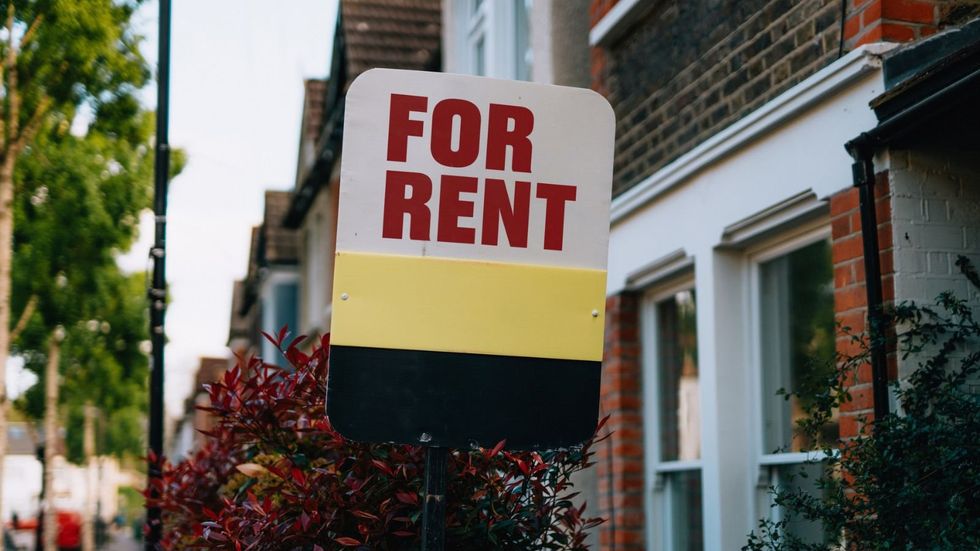
Critics have warned that rent controls would backfire, reducing supply and ultimately driving prices higher.
| GETTYCritics have warned that rent controls would backfire, reducing supply and ultimately driving prices higher.
Sir James Cleverly, the shadow housing secretary, said: "Rent controls would be completely disastrous for tenants. Cap what landlords can charge and you shrink supply, push rents for new tenants higher and drive landlords out of the market altogether."
Paul Shamplina of Landlord Action argued that controls simply do not work, adding that good landlords are already leaving the sector following the Renters' Rights Act.
Estate agent Hamptons cautioned that caps would deter institutional investors as well as private landlords, knocking confidence in buy-to-lets.
The IPPR acknowledged potential unintended consequences, pointing to Scotland where temporary rent controls introduced in 2022 led to sharp rent increases after they expired last year.