






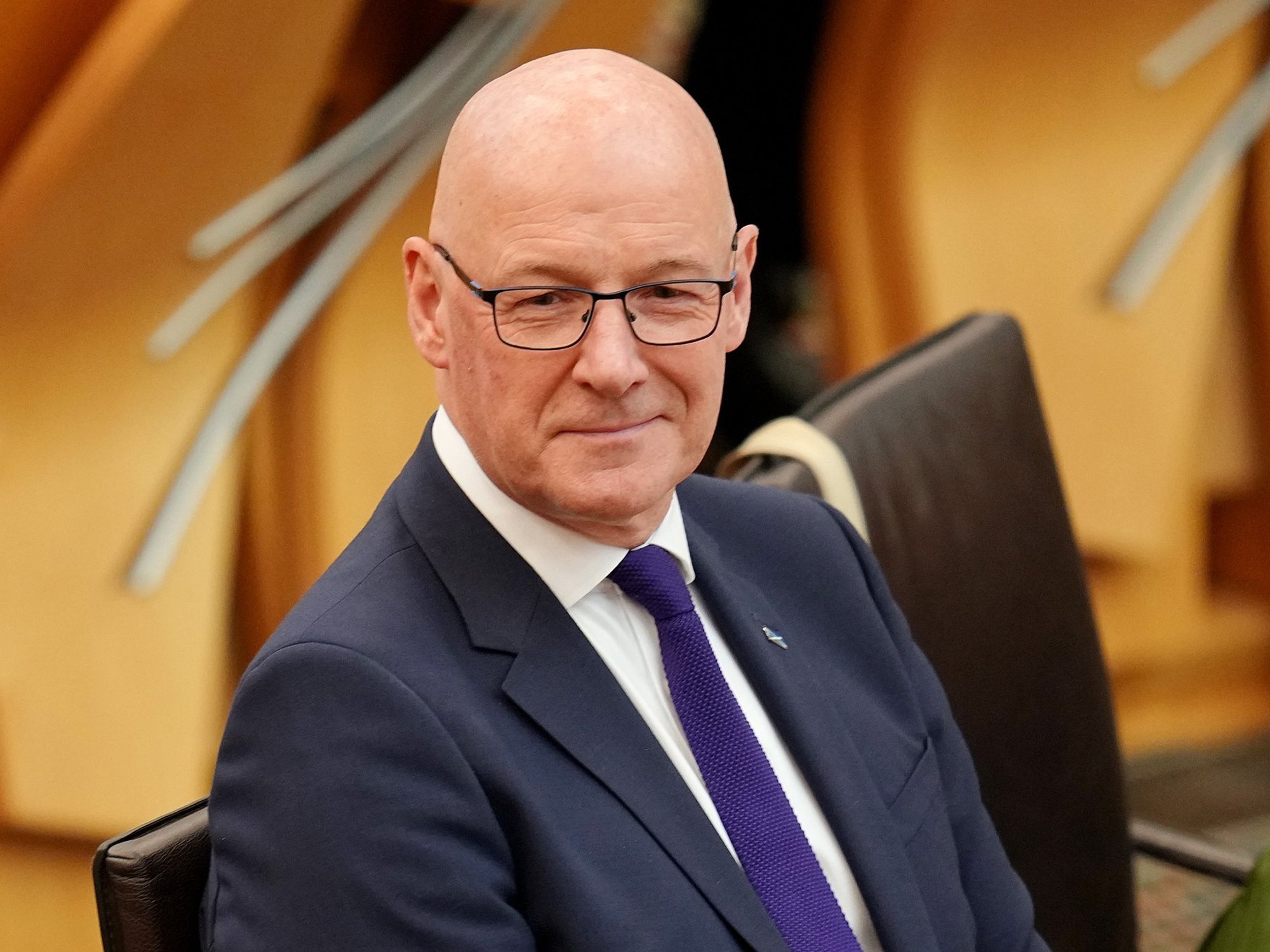



Britain’s youth unemployment surge is a “self‑inflicted” crisis driven by rising employment costs, a former senior figure at the Office for Budget Responsibility (OBR) has said.
Andy King, who served on the watchdog’s Budget Responsibility Committee until 2023, criticised Labour's economic approach during an event hosted by the Resolution Foundation.
He argued that the decision to increase employer National Insurance contributions alongside substantial rises in minimum wage rates had disproportionately harmed young people seeking entry‑level roles.
“This self‑inflicted youth unemployment problem — how do you get out of that without pretty large U‑turns or pretty large spending to overcome the increase in employment costs?” he said.
TRENDING
Stories
Videos
Your Say
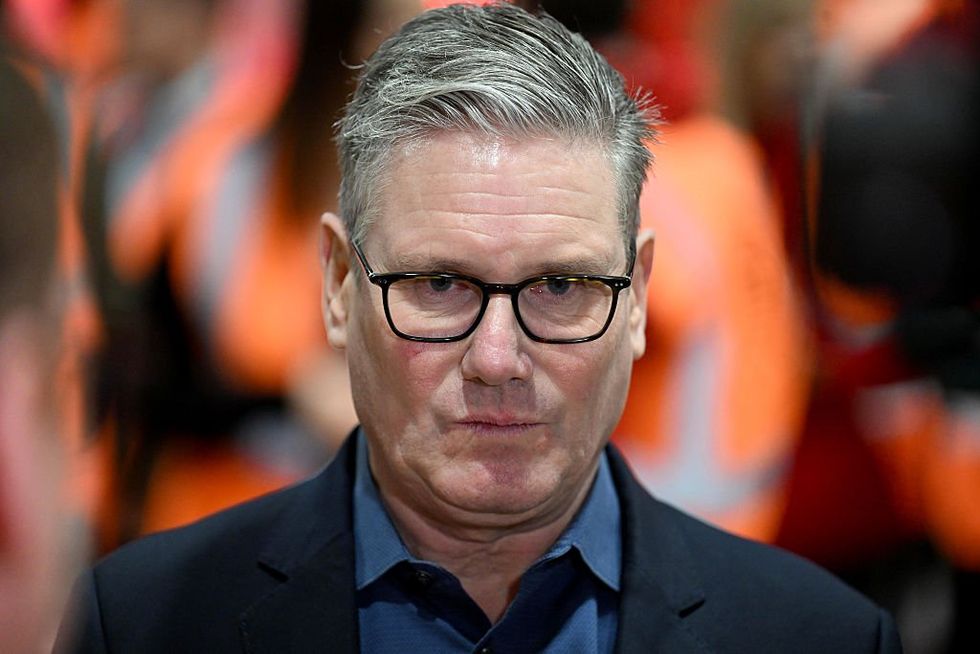
Britain’s youth unemployment surge is a 'self‑inflicted' crisis
|GETTY
Youth unemployment has climbed to 16.1 per cent, the highest level in 11 years.
The rise means the UK now has a higher proportion of young people out of work than the EU average, reversing its previous position.
Mr King said the structure of the National Insurance increase had placed greater strain on lower earners and part‑time roles, where younger workers are more likely to be employed.
“The minimum wage was raised significantly, but the youth minimum wage was raised by close to 20 per cent,” he said.
He added that the burden had fallen most heavily on sectors such as retail and hospitality, where starting wages are typically lower and part‑time employment is common.
“It hit sectors where you have relatively lower‑paid people or more part‑time work — retail, hospitality — and those are the sectors where young people get their first job.”
Mr King said employment costs had increased sharply compared with two years ago, in ways that economic theory would typically associate with rising youth unemployment.
Labour’s 2024 manifesto pledged to abolish the separate youth minimum wage rate, describing age‑based pay bands as discriminatory and committing to align youth and adult rates.
Prime Minister Keir Starmer reaffirmed this week: “We will keep to those commitments.”
LATEST DEVELOPMENTS
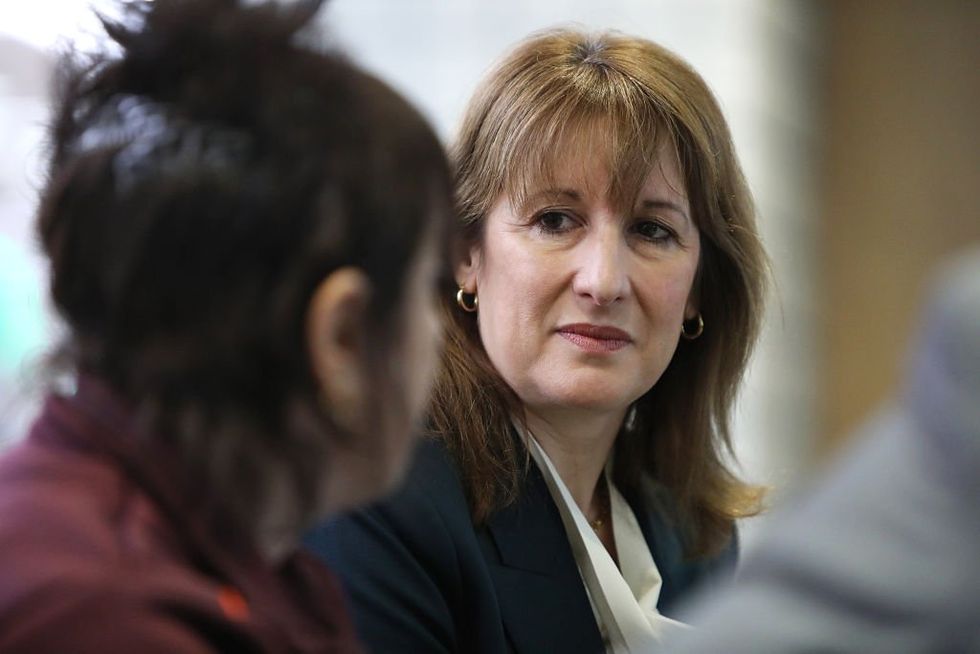
Rachel Reeves said she would do everything we can to support them
|GETTY
Chancellor Rachel Reeves, asked whether ministers were reconsidering the pace of reform, said the Government was “determined to do everything we can to support them”.
James Smith, chief economist at the Resolution Foundation, suggested that delaying the equalisation of youth and adult pay rates could offer short‑term relief without adding to public spending pressures.
“That would be a policy you could bring in relatively quickly,” he said. “It is not a fiscal cost — it would help in this situation.”
Bank of England policymakers have also issued warnings about the cumulative impact of wage increases on youth employment.
Catherine Mann, a member of the Monetary Policy Committee (MPC), has previously said that successive minimum wage rises over a three‑year period had translated into higher unemployment among younger workers.
More From GB News