








Britain's jobs market is facing growing pressure as global tensions threaten to worsen the outlook for workers across the country.
The ongoing conflict in Iran could deepen the UK’s employment crisis, potentially pushing more than 100,000 additional people out of work, economists have warned.
The unemployment rate is already at a five year high of 5.2 per cent, but experts believe it could rise above 5.5 per cent in the coming months.
Rising instability in the Middle East is expected to drive up energy costs, placing further strain on businesses and forcing some employers to cut jobs.
If this happens, the total number of unemployed people in Britain could move close to two million.
The figures highlight how the UK labour market is weakening. Britain now has a higher unemployment rate than Italy, which has traditionally been seen as one of Europe’s weaker economies. It is the first time this has happened since the 2008 financial crisis.
Analysts warn that Donald Trump's military intervention in Iran is creating conditions that will inevitably worsen labour market conditions.
James Smith, an economist at investment bank ING, indicated that the duration of elevated energy prices would prove decisive for employment outcomes.
"It depends how long energy prices stay high. If we're in a scenario where the disruption lasts three months or so, then I would imagine [unemployment would be] be pushing above 5.5per cent," he said.

US-Iran war could push 100,000 more Britons out of work
| GETTYEmployers facing sustained cost pressures would likely respond by reducing headcount or halting recruitment altogether, Mr Smith explained.
Work and Pensions Secretary Pat McFadden is set to announce a £1billion package on Monday, aiming to incentivise employers to hire young people and create 200,000 jobs.
This "new deal" seeks to reverse the growing number of "Neets" – young people not in education, employment or training.
The initiative includes a new Youth Jobs Grant, offering businesses £3,000 for each 18-24 year old hired who has been unemployed for six months or more, supporting an estimated 60,000 individuals.
Jordan Rochester at Mizuho, the Japanese bank, offered an even starker assessment of the trajectory facing British job seekers.
"Unfortunately, yes, it will. It's already on a path higher," Mr Rochester said when asked whether the conflict would drive unemployment upward.
He cautioned that if the current pace of job losses continues, the rate could reach closer to six per cent rather than five per cent.
The manufacturing sector has sounded alarms about the conflict's impact on British industry.
LATEST DEVELOPMENTS:
 Unemployment in the UK remains high | GETTY
 Make UK, the trade body representing manufacturers, reported that while factory output improved at the start of 2026, domestic demand has "collapsed".
The organisation warned that soaring energy costs, exacerbated by the Iranian war, combined with employment expenses, were constraining growth prospects.
Fhaheen Khan, Make UK's senior economist, said: "While output and investment show some improvement after a challenging end to last year, rising costs and weakening domestic demand are creating real pressures for businesses."
Mr Khan added: "With UK industrial energy costs among the highest in the developed world, any sustained increase in oil and gas prices could quickly push up input costs, squeezing margins and limiting investment."
Manufacturers have responded by raising their own prices at the fastest rate since 2023.
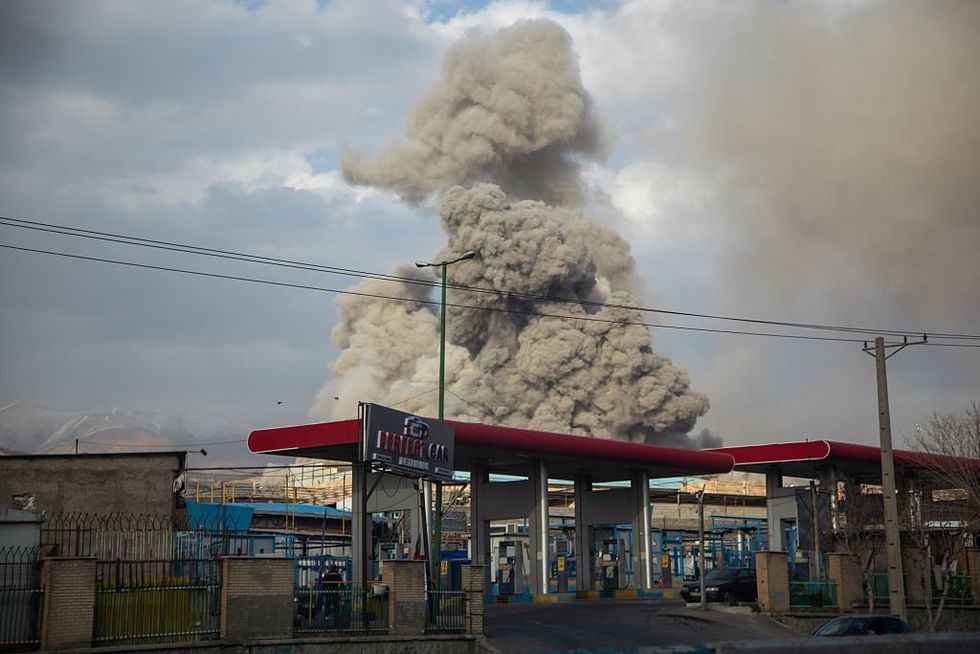 The Iran war has caused major disrupton across the globe | GETTY
Military strikes by American and Israeli forces against Iran have triggered the largest oil supply disruption in history, with Brent crude now trading at approximately $100 per barrel, up from $60 at the year's start.
As a net energy importer, Britain remains particularly exposed to rising oil prices feeding through to inflation.
Financial markets had anticipated two Bank of England rate cuts this year, which would have provided relief to the struggling jobs market. Traders are now reluctant to price in even a single reduction, suggesting rates will remain at 3.75 per cent.
Mr Rochester warned that policymakers might even need to raise rates in 2027.
Mr Smith noted that service sector businesses lack the pricing power they possessed during the 2022 Ukraine energy crisis, making workforce reductions more likely than price increases.
More From GB News