








Sir Jim Ratcliffe has demanded Britain place energy security ahead of Net Zero commitments as the Iran conflict exposes how vulnerable the UK's energy supplies are.
The Ineos chairman warned that just over a week into the war, the UK finds itself with merely two days of strategic gas reserves.
"We need a rapid reassessment of our priorities. Nothing is more important for national security than energy independence." he wrote in a daily newspaper.
Brent crude has surged above $100 per barrel this week, while UK gas prices have more than doubled since the conflict began.
Sir Jim argued that without dependable energy supplies during conflict, hospitals, transport networks, manufacturing and essential services such as heating face severe disruption, leaving the country's defence capabilities fundamentally compromised.
He wrote in The Telegraph: "Without reliable energy in a conflict situation, running hospitals, transportation, manufacturing and basic essentials like heating and lighting are jeopardised. Our strategic defence capability is totally undermined just when we need it most. Without a reliable supply of energy, the country is crippled."
The industrialist contrasted Britain's exposure with America's resilience, noting that US energy prices have remained largely stable throughout the crisis because of deliberate long-term policies favouring domestic production.
TRENDING
Stories
Videos
Your Say
Washington encouraged development of new Gulf oil fields while simultaneously backing onshore shale extraction, he explained, without sacrificing investment in renewable energy sources.
"This has not happened accidentally but through a deliberate, long-term policy of prioritising energy independence in America," Sir Jim said.
Meanwhile, British and European energy costs have soared since fighting erupted in the Middle East, damaging industry, manufacturing and competitiveness.
Sir Jim warned foreign suppliers now hold significant leverage over the UK, while Germany and France maintain months of gas reserves compared to Britain's meagre stockpile.

Sir Jim argued that without dependable energy supplies during conflict, the country's defence capabilities would be fundamentally compromised
|GETTY
The Ineos boss directed sharp criticism at Ed Miliband, accusing the Energy Secretary of refusing to grant new exploration licences while imposing punishing taxation on North Sea operators.
He noted that last year marked the first time since the 1960s that no exploratory oil or gas wells were drilled in British waters.
The energy profits levy pushes the total tax burden on UK oil and gas companies close to 80 per cent, among the highest rates globally, Sir Jim argued.
Offshore Energies UK, the industry trade body, claims this 78 per cent flat rate is driving firms away and destroying approximately 1,000 jobs monthly.
LATEST DEVELOPMENTS
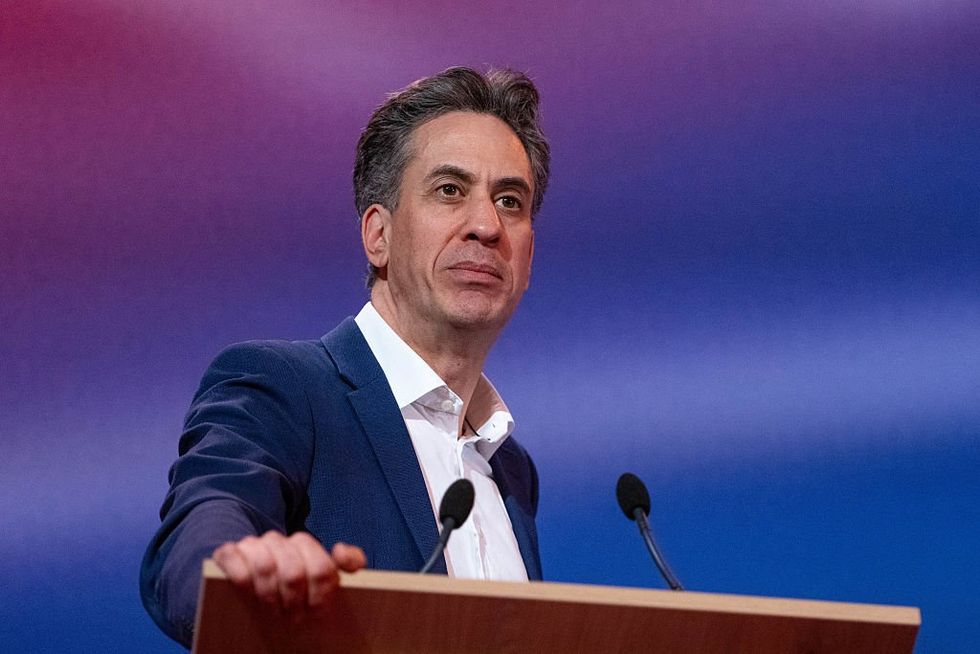
The Ineos boss directed sharp criticism at Ed Miliband
|GETTY
"Unsurprisingly, investment is fleeing," Sir Jim wrote, while Norway continues discovering new reserves just across the maritime border.
Sir Jim called on the Government to approve the Jackdaw and Rosebank developments, arguing both could deliver secure domestic supply for decades.
Rosebank, located off the Shetland Islands, represents the largest undeveloped oil and gas field in British waters, containing an estimated 300 million barrels.
Jackdaw, situated 150 miles east of Aberdeen, could supply enough gas to heat 1.4 million homes, according to Shell.
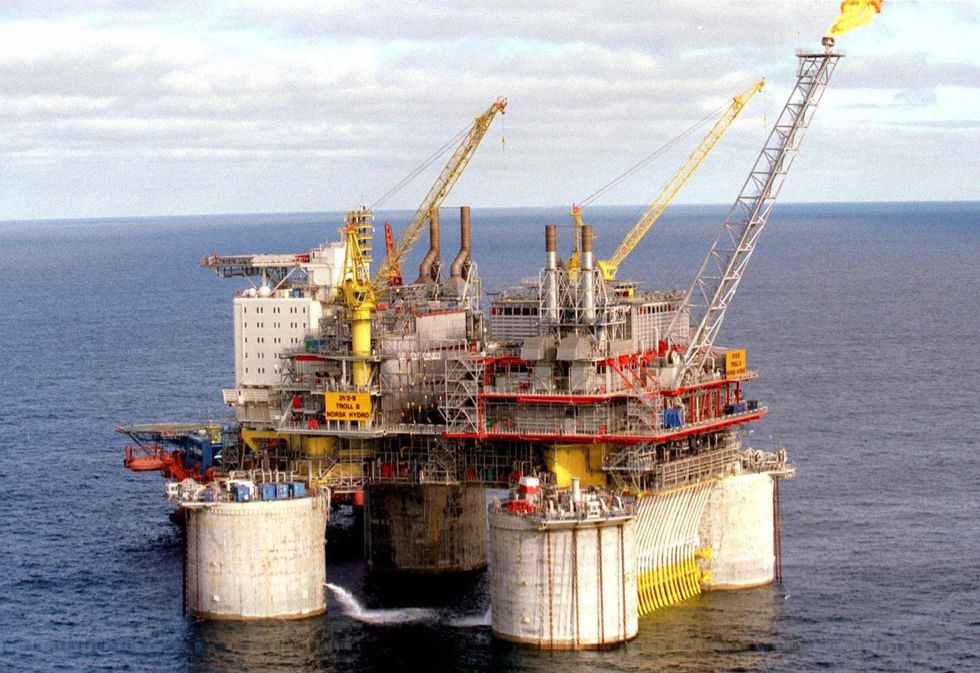
The industrialist urged ministers to scrap the windfall tax and replace it with a stable, price-triggered system that encourages investment rather than driving it overseas
| GETTYThe industrialist urged ministers to scrap the windfall tax and replace it with a stable, price-triggered system that encourages investment rather than driving it overseas.
"Net zero ambitions are good goals but should sit firmly in second place," he wrote, insisting that maximising North Sea extraction alongside nuclear and wind development are not mutually exclusive, as America has demonstrated.
More From GB News