





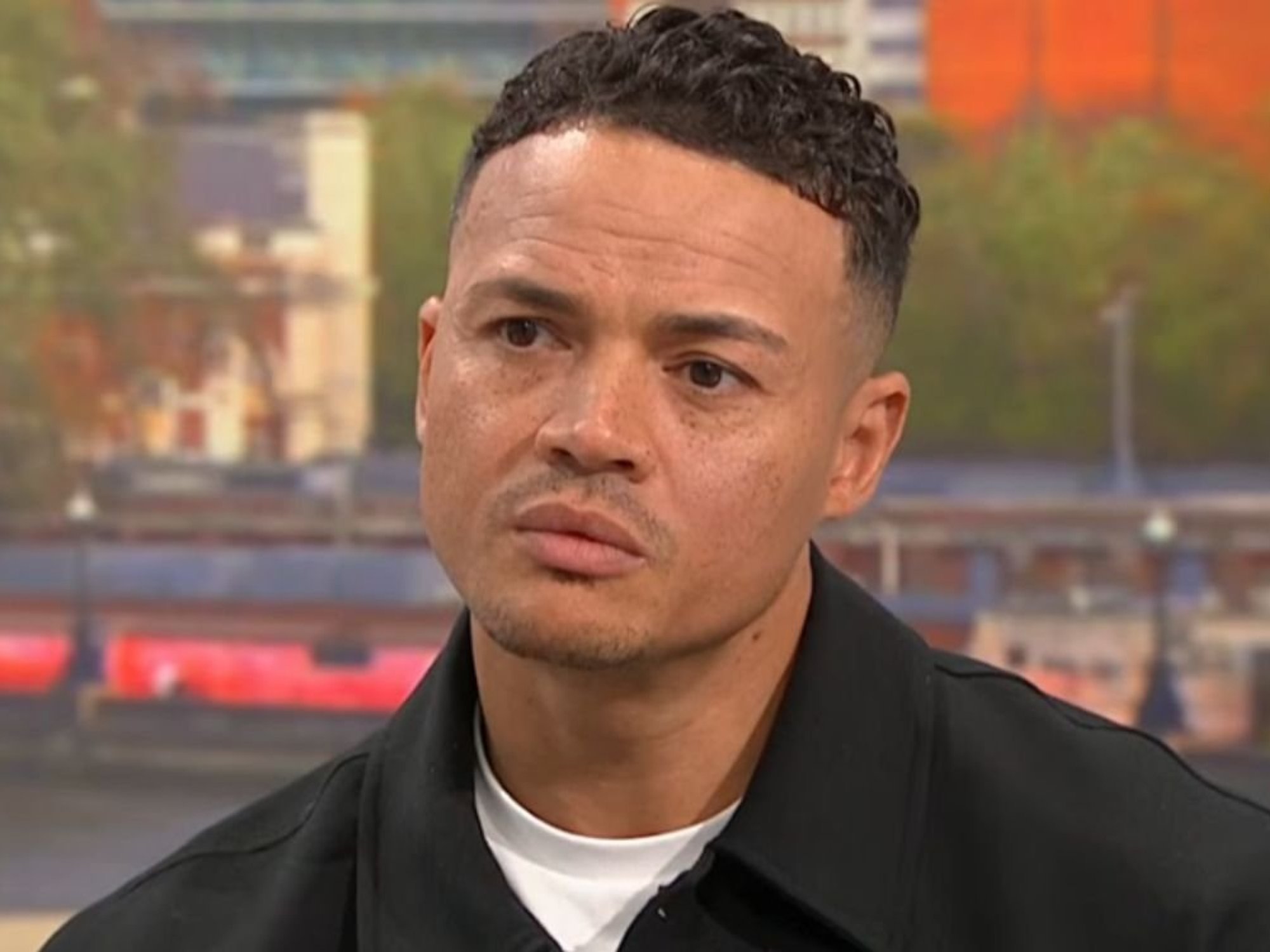



Celebrity chef Jamie Oliver has criticised ministers, warning that rising tax pressures risk damaging Britain’s economic prospects.
Speaking to Times Radio, he said current policies are discouraging entrepreneurs.
“If you just batter the entrepreneurs, you're going to get nothing,” he said, adding that “this island will become less and less important, less and less relevant very quickly”.
Mr Oliver argued that there is a lack of understanding about what supports economic growth.
TRENDING
Stories
Videos
Your Say
“There is a lack of understanding of the chemistry of what a bubbling, buoyant, optimistic, aspirational cool country called Britain looks like,” he said.
He also accused policymakers of failing to distinguish between large corporations and smaller operators, claiming independent hospitality businesses are “being choked out” by a system that treats them the same as major chains.
His comments come as other industry figures raise similar concerns.
John Vincent, co‑founder of the Leon restaurant chain, has criticised Government tax policies, saying the current approach is placing significant pressure on the sector.

Jamie Oliver criticises Labour tax policy as hospitality sector warns of rising costs
|GETTY
“Today, for every pound we receive from the customer, around 36p goes to the Government in tax, and about two pence ends up in the hands of the company,” he said.
“It’s why most players are reporting big losses.”
The hospitality industry is facing rising costs linked to higher National Insurance contributions, increases to the minimum wage and business rates.
Further pressure may come from proposed changes to business rates affecting shared office spaces.
LATEST DEVELOPMENTS:
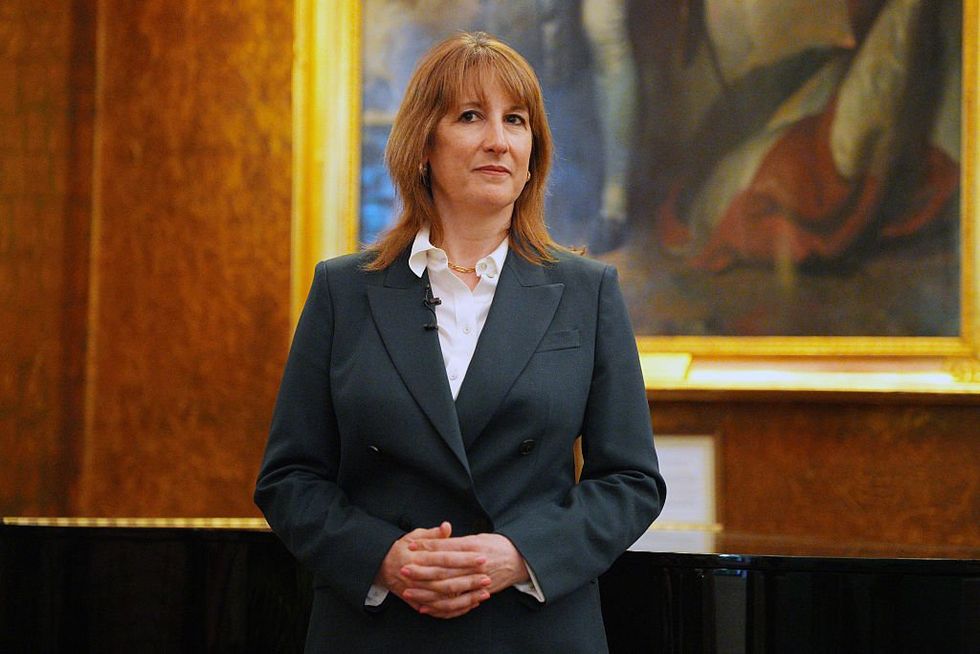
Chancellor Rachel Reeves is preparing reforms expected to raise around £600million a year from providers across England
|GETTY
Analysis from ChamberlainWalker suggests small businesses using co‑working spaces could face average annual cost increases of around £5,400, with up to 150,000 workers potentially moving away from shared offices as a result.
Founder Chris Walker criticised the policy, calling it “just about the most damaging way I can think of for a Government to raise what would be a modest amount of revenue”.
The changes follow a decision by the Valuation Office Agency (VOA) to classify shared office buildings as single premises rather than separate units, removing eligibility for small business rates relief for many tenants.
The Federation of Small Businesses has urged ministers to intervene.
Paul Wilson, the organisation’s policy director, warned that “every small business, potentially a self‑employed person or micro‑business using a shared space, faces thousands of pounds of extra costs,” adding that higher bills for shared offices would be “negative for the Government’s local growth agenda”.
Richard Johnson, managing director of flexible office operator UBC, said the changes would be difficult for smaller firms to absorb.
“These are local entrepreneurs and small teams, not big corporations with deep pockets,” he said.
Industry body FlexSA said it has held three meetings with the Exchequer Secretary on the issue without resolution.
The Treasury said support remains in place for businesses, pointing to a £4.3billion support package and a five pence reduction in business rates for hospitality firms.