








Thousands of families could be caught out by a little-known six-month inheritance tax deadline once Labour’s pension reforms come into force.
Experts warn grieving relatives may be forced to settle hefty tax bills before they are even able to access estate assets.
Families across Britain are being urged to act swiftly ahead of Labour's sweeping pension inheritance tax reforms, which take effect from April 2027.
Under the changes announced by Chancellor Rachel Reeves in her October 2024 Budget, unspent pension pots passed to anyone other than a spouse or civil partner will face taxation at 40 per cent for the first time.
The tax bill must be settled within six months of death, a deadline that experts warn will catch many households off guard.
Pension wealth has historically sat outside the inheritance tax framework, meaning countless families have never needed to factor it into estate planning.
When a pension pushes an estate beyond the £325,000 threshold, executors will find themselves confronting an entirely new financial burden.
Inheritance tax must be paid before probate is granted, but families often cannot access the deceased person’s money and assets until probate comes through.
This can leave those handling the estate with few options if there is not enough cash readily available.
Steve Gauke, Managing Director of Provira told GB News: "Any pension wealth left to anyone other than a spouse or civil partner could be subject to 40 per cent taxation - payable within 6 months of death.
"For many families, this bill will come as a complete shock, as pensions haven’t historically been subject to inheritance tax (IHT), so there hasn’t been a reason to plan for it.
"If the pension pot pushes the estate over the £325,000 threshold, the executor will be left in a difficult position. IHT must be paid before probate is granted, but you need probate to release assets.
 Treasury figures reveal that the tax is set to reach a significantly larger proportion of British families | GETTY
"That means if there's no cash in the estate, they're stuck. It’s a tricky situation with options for executors limited to: a payment plan with HMRC, a personal loan or using their own money to cover the cost."
One possible solution is an estate advance, which allows families to borrow money against the value of the inheritance to help pay the tax bill before probate is granted.
The problem is that once someone has died, families cannot take steps to reduce the inheritance tax bill because the person’s assets are effectively frozen.
Mr Gauke's advice for those concerned about the changes is clear: "Prepare, seek professional support now and take the time to fully understand these changes. The more informed you are, the better placed you'll be."
The impact of the changes is expected to be significant, with official forecasts suggesting the number of families paying inheritance tax will almost double to more than 60,000 by 2029/30 once pensions are brought into the tax net.
Families who miss the six-month deadline could also face extra costs. HMRC currently charges 7.75 per cent interest on unpaid inheritance tax bills, with charges continuing to build over time. Further penalties can then apply after 12 months.
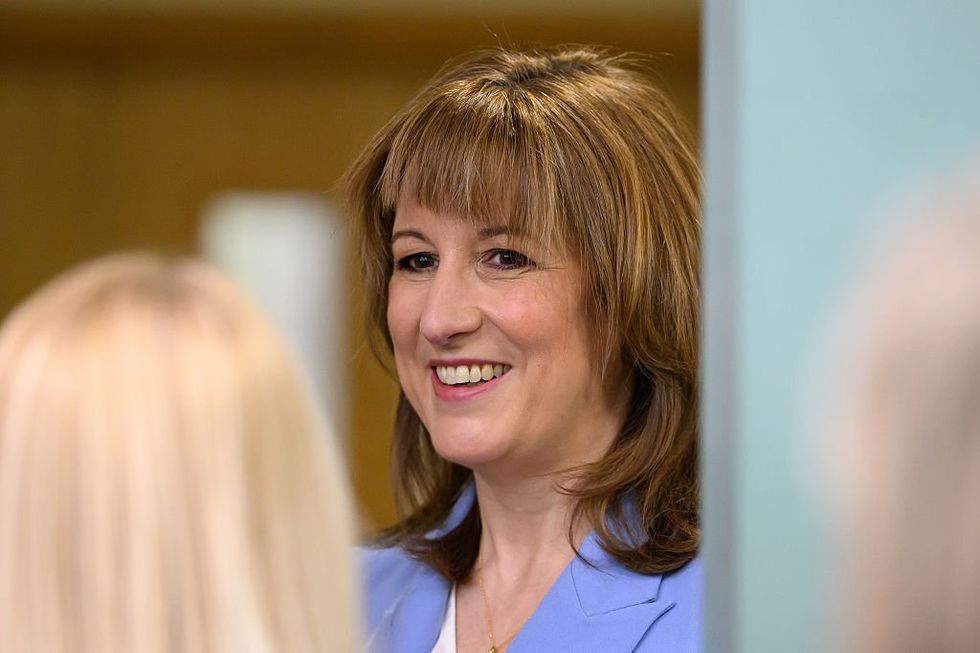
Labour's sweeping pension inheritance tax reforms take effect from April 2027
| GETTYThe probate system is already struggling to cope with existing demand, raising serious concerns about its capacity to handle the additional complexity. Analysis of Freedom of Information data obtained from the Ministry of Justice by Quilter reveals that probate cases taking between 21 and 23 months have surged by 131 per cent since 2020/21.
Many families now wait well over a year, and sometimes approaching two years, before receiving the grant they need to access estates.
Ian Futcher, financial planner at Quilter, warned: "With pensions set to become part of the taxable estate from April 2027, there is a real risk that these delays become even more entrenched."
Executors will need to locate information across multiple pension schemes, obtain valuations and complete additional tax reporting whilst the inheritance tax clock continues running.
The House of Lords economic affairs finance bill sub-committee has issued a stark warning about the feasibility of the current timeline.

Pension ministers warn the policy as proposed is 'not only unfair but will prove unworkable'
| GETTYIn their report, the committee stated: "It cannot be right to impose on taxpayers a timescale for payment of tax if that timescale is for many likely impossible to meet."
The Lords recommended extending the payment deadline to 12 months rather than the existing six-month requirement.
Baroness Ros Altmann, a former pensions minister, was particularly scathing in her assessment.
She said: "Bereaved loved ones will face the nightmare, expense and personal risk of trying to trace the pensions, work out the estate value, and make tax payments within just six months."
She added: "The policy as proposed is not only unfair but will prove unworkable."