








HM Revenue and Customs (HMRC) recovered an additional £246million in unpaid inheritance tax during the last financial year as enforcement activity increased across the UK.
The number of inheritance tax investigations rose to 3,977 in the year ending April 2025, compared with 3,793 the previous year, according to analysis from private wealth firm TWM Solicitors.
HMRC is using artificial intelligence (AI), data-matching software and other digital tools to identify discrepancies and errors in inheritance tax submissions.
The tax authority is also cross-checking data from the Land Registry, the Trust Registration Service and Google Maps to verify estate valuations submitted by families.
TRENDING
Stories
Videos
Your Say
The technology is part of a wider strategy aimed at increasing revenue collection from estates that may have been underreported or incorrectly valued.
A frozen inheritance tax threshold is bringing more families within the scope of the tax.
The nil rate band has remained fixed at £325,000 since 2009, after previously increasing almost every year since 1986.
The threshold is set to remain unchanged until at least April 2028.
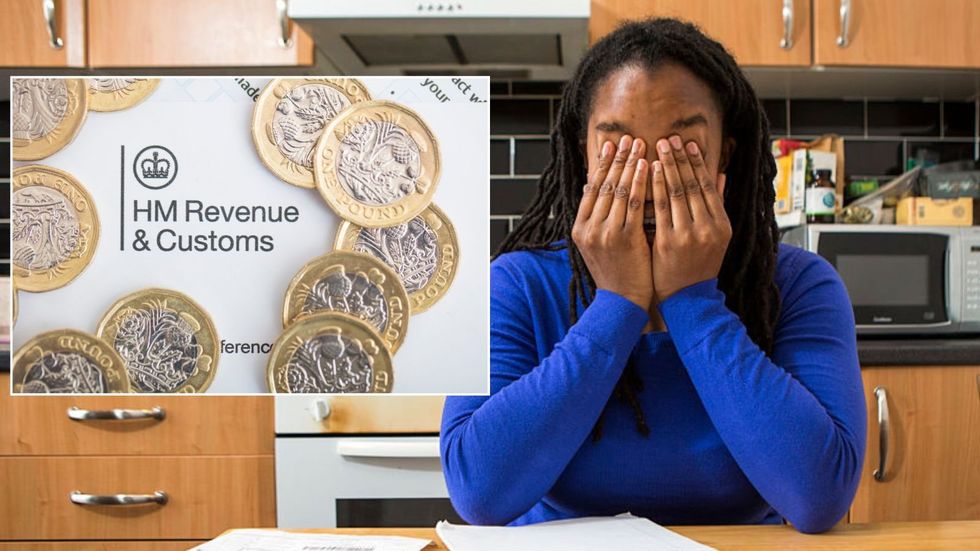
Tax authority increases enforcement using AI tools and data checks across estates
|GETTY
This means more estates are expected to become liable for inheritance tax over time.
Homeowning couples may be able to access a combined inheritance tax allowance of up to £1million when the £175,000 residence nil rate band and spousal transfers are applied.
From April 2027, pensions are also expected to fall within the scope of inheritance tax, potentially increasing the value of taxable estates.
Government receipts from inheritance tax reached £8.3billion in 2024, representing a 61 per cent increase since 2020.
LATEST DEVELOPMENTS

Pensions are also expected to fall within the scope of inheritance tax
| GETTYDuring the first nine months of the current financial year, inheritance tax receipts reached £6.6billion.
This is £232million higher than the same period the previous year.
Common mistakes in inheritance tax returns include failing to declare personal possessions such as jewellery and furniture, which must be included when calculating estate value.
David Lunn, partner in the private client team at TWM Solicitors, said: "Not declaring goods has prompted countless IHT investigations in the past."
He added: "Items such as jewellery or even a valuable set of dining chairs must be declared at their full market value."
Property valuations are also a frequent area of dispute between HMRC and estates.
Mr Lunn said: "Inheritance tax investigations have risen because HMRC knows that, as the extent of IHT widens, irregularities become more common, and so the amount of tax, interest and penalties they can recover is likely to rise."
He warned inheritance tax was originally designed to affect only families with substantial wealth but said frozen thresholds have changed this position.
Mr Lunn said: "Even families with a relatively modest home are now finding they owe IHT."

He said inheritance tax was originally designed to affect only families with substantial wealth
| GETTYHMRC investigations are also becoming more complex, particularly in relation to residential property valuations.
Mr Lunn said: "With tax rules growing ever more complicated, and the IHT net widening with each Budget, people need to ensure they obtain proper advice. Penalties can run into tens of thousands of pounds."
Recent Budgets have expanded the range of assets that fall within the scope of inheritance tax.
HMRC has increased enforcement activity as frozen thresholds bring more estates into the tax system and increase the likelihood of errors in returns.
More From GB News