






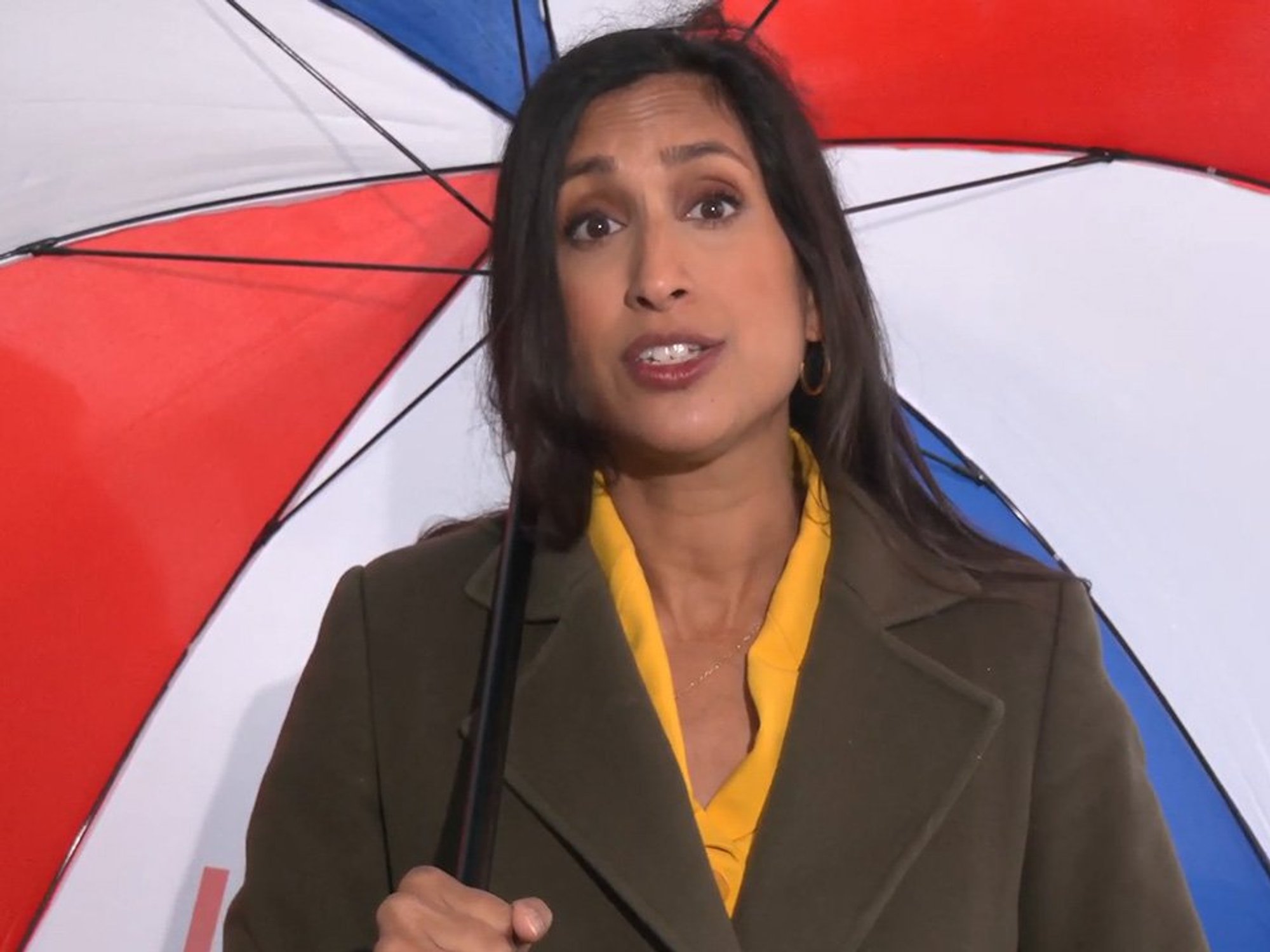


Andy Burnham has retreated from earlier suggestions he could reform Labour’s borrowing framework after pressure from bond markets and a warning from the International Monetary Fund intensified scrutiny of his economic plans.
The Greater Manchester Mayor has now committed to preserving Rachel Reeves’s fiscal rules if he reaches Downing Street, stepping back from proposals he floated only weeks ago.
A spokesman for Mr Burnham confirmed to Bloomberg that he would maintain the commitment to balance day-to-day spending while ensuring debt falls as a proportion of national income.
Mr Burnham has also ruled out exempting defence spending from the fiscal framework despite previously saying there was "certainly a case" for such an approach.
The clarification follows a turbulent period in financial markets after Mr Burnham announced his intention to return to Parliament, which prompted renewed focus on Labour’s future economic direction.
Government borrowing costs climbed sharply during the period of uncertainty before easing following Mr Burnham’s latest comments.
Sterling rose by as much as 0.7 per cent against the dollar to climb above $1.34, while the yield on 10-year gilts fell back.
Bond market expert Mohamed El-Erian said: "These comments from Andy Burnham contributed to this morning’s outperformance of the UK bond market."

Andy Burnham backs Rachel Reeves fiscal rules after bond market backlash and IMF warning
|GETTY
"It makes total sense to clarify his approach at this time of global bond market turbulence."
A former minister supporting Mr Burnham’s campaign said: "He has committed to the rules as they are. It is totally essential.
"He understands the cost of borrowing is a huge constraint on Government."
The timing of the intervention proved particularly sensitive as global bond yields were already elevated because of conflict in the Middle East and concerns surrounding a prolonged blockade in the Strait of Hormuz.
LATEST DEVELOPMENTS
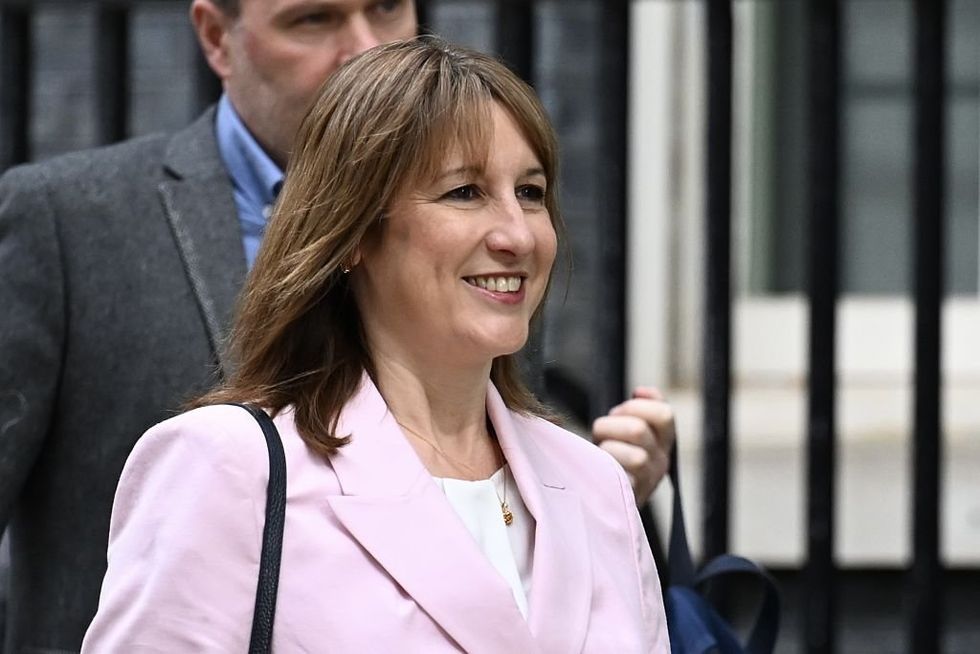
The Chancellor's fiscal rules have been backed by Manchester's mayor
|GETTY
The IMF’s annual assessment of the British economy also delivered a warning over the limited room available for further tax rises.
The organisation said Britain was approaching peak taxation while elevated borrowing costs and weak productivity continued to restrict policymakers’ options.
The IMF stated: "The scale of rising spending pressures and limited tax space imply that a growing share of the adjustment will likely need to come from expenditure restraint in the longer term."
Luc Eyraud, the IMF’s mission chief for Britain, said: "These structural realities define the limits of policy choices and must be fully recognised in designing future policies."
The fund urged ministers to focus on controlling the welfare bill through better targeting of benefits while also reconsidering the triple lock on state pensions.
Conservative Shadow Chancellor Mel Stride warned of what he described as a "Burnham penalty" for the economy.
Mr Stride said the country faced "the prospect of a new prime minister coming in with a plan to borrow even more, to raise anti-growth taxes even higher than those baked into existing plans and with an insufficient understanding of the connection between these actions and market movements".
A spokesman for Mr Burnham responded by accusing the Conservatives of representing "the failed economics" that had "sucked wealth and power out of places like Makerfield for 40 years".
Chancellor Rachel Reeves defended her fiscal framework and argued it delivers stability while maintaining confidence among Government bondholders.
Mr Burnham, who has long advocated for major northern infrastructure projects including high-speed rail links between Birmingham and Manchester, now faces growing pressure over how such ambitions could be funded within existing fiscal constraints.