










Grocery price inflation remained unchanged at 4.3 per cent during March, though analysts caution this stability may prove short-lived as ongoing tensions in the Middle East threaten to push costs higher.
According to market research from Worldpanel by Numerator, circumstances resulting from the US-Iran leave consumers feeling exposed are "only intensifying".
The research firm noted that even before hostilities began, over 60% of British shoppers expressed serious concern about escalating grocery costs.
More than a fifth of the UK population currently describes their financial situation as a struggle, highlighting the pressure households face as they navigate their weekly shop.
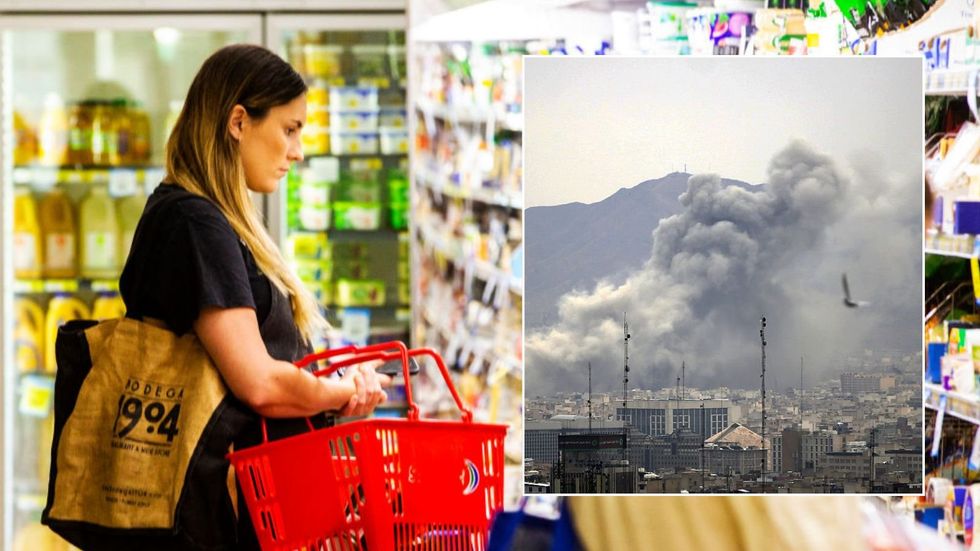
Grocery price inflation has remained steady
|GETTY
Worldpanel estimates that every percentage point added to inflation could increase the typical household's yearly supermarket spending by more than £50.
Fraser McKevitt, head of retail and consumer insight at Worldpanel, said: "Financial anxiety among British consumers was already running high before the conflict began.
"Shoppers will look to lessen the impact on their baskets when faced with rising prices, and while there remains a level of uncertainty, we are watching the data closely for behavioural changes like trading down and switching, which often emerge during periods of economic pressure."
The firm is monitoring purchasing patterns closely for signs that customers are switching to cheaper alternatives or reducing basket sizes. Despite these financial pressures, seasonal treats remain popular with British shoppers.
Inflation has pushed up supermarket prices in recent years
| GETTYLATEST DEVELOPMENTS
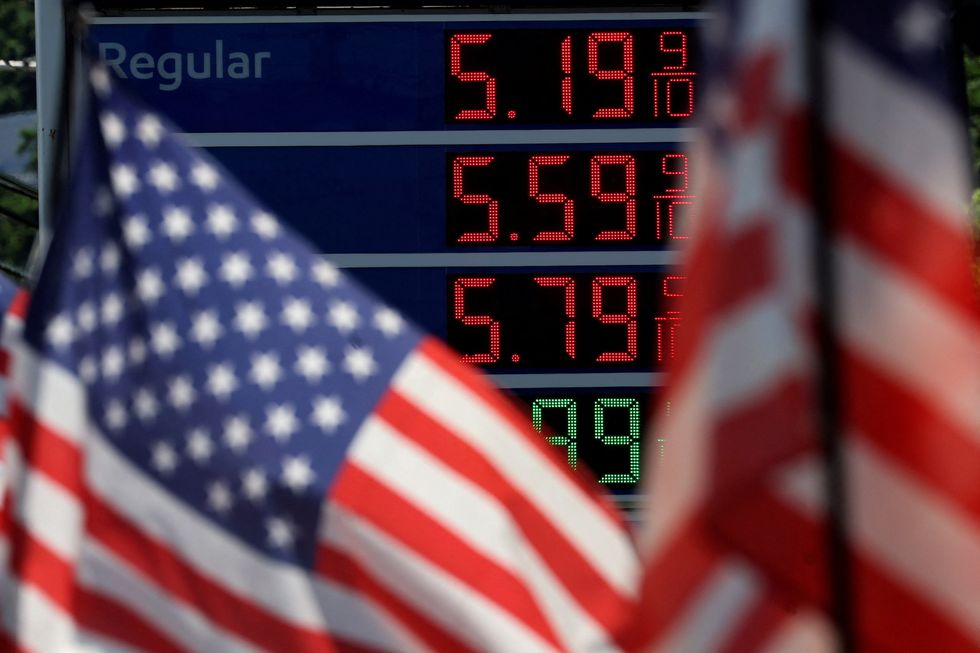 The US-Iran war has caused oil prices to spike across the world's energy markets | Reuters
Roughly four in ten consumers purchased at least one packet of hot cross buns over the past month, while nearly a third bought an Easter egg.
Chocolate inflation has eased slightly to eight per cent, down from 9.3 per cent the previous month, yet the average Easter egg now costs £3.27. This represents a nine per cent increase compared with last year.
Mr McKevitt noted: "Despite this, there is no sign of shoppers choosing smaller eggs though, with an average weight of 162g, a marginal increase on last year.""
Consumers appear unwilling to compromise on portion sizes even as prices climb. Lidl outpaced all rivals in market share growth, adding 0.5 percentage points over the 12 weeks to March 22 to reach 8.3 per cent, with sales climbing 9.6 per cent year on year.
 Britons continues to grapple with the cost of living | GETTY
Ocado recorded even stronger momentum, achieving 12.3 [er cent sales growth and capturing 2.2 per cent of the grocery market.
Sainsbury's proved most successful at attracting new shoppers, welcoming 387,000 additional households compared with the same period last year.
Tesco made the same share gain, an increase of 0.3 percentage points, giving them 28 per cent of all sales, while spending through the tills at Britain’s largest supermarket was up by five per cent.
Asda's sales dipped 0.9 per cent but represented its strongest showing since April 2024, holding 11.6 per cent of the market. Waitrose enjoyed its fastest growth in five years at 5.8 per cent, driven by higher average transaction values.