








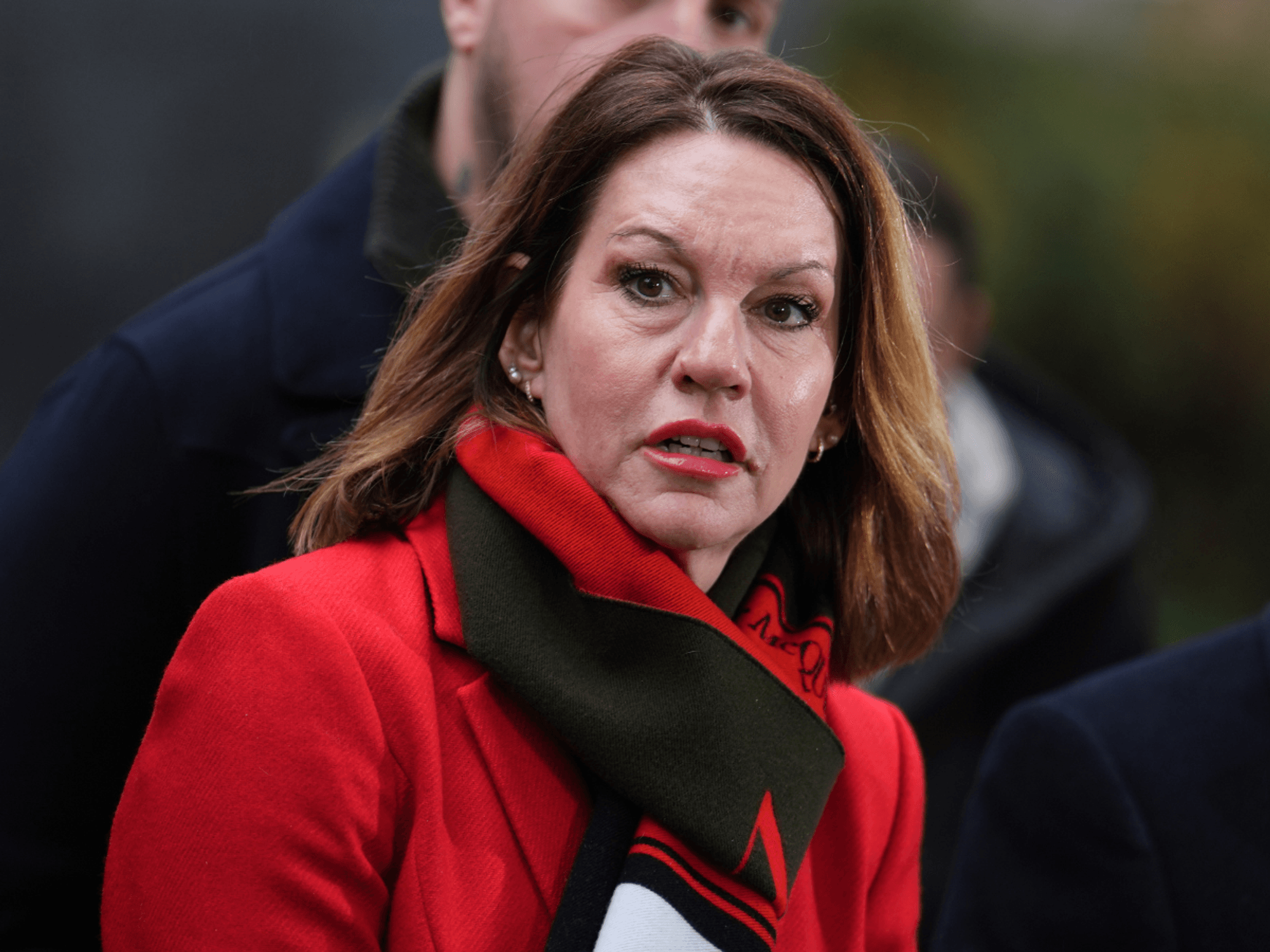

British homes and industrial facilities across the country will soon receive financial rewards for consuming more power when supply exceeds demand.
The National Energy System Operator announced this week that it is expanding its demand flexibility service to encourage greater electricity usage during periods of renewable energy abundance.
The initiative arrives as grid managers prepare for summer months, when solar power generation is expected to surge significantly.
With the UK's solar capacity having increased more than 700 times since 2010 to approximately 22 gigawatts, operators face growing challenges in keeping supply and demand balanced across the network.
The state-owned operator, responsible for preventing blackouts by constantly matching electricity supply with demand, unveiled the programme on Tuesday ahead of the summer season.
Solar power proliferation is expected to significantly affect the balance between generation and consumption during the warmer months.
This new mechanism builds upon the original demand flexibility service that Neso launched during winter 2022, which at the time paid consumers to reduce their electricity usage amid supply shortage concerns.
"Tools such as the demand flexibility service not only reward consumers and businesses for flexible electricity use but also strengthen the resilience and efficiency of Great Britain's electricity network," said Dr Deborah Petterson, Neso's director of resilience and emergency management.
Grid operators face mounting difficulties managing consumer demand because the expansion of wind and solar generation has reduced their control over electricity supply.
Solar installations present particular complications since they typically connect to local distribution networks rather than the main high-voltage transmission system.

Households to be PAID to use more electricity
| GETTYThis arrangement limits Neso's ability to monitor fluctuating solar output accurately. Rooftop panels compound the problem further, as households generating their own power may draw nothing from the mains at all.
According to Neso's summer outlook published on Tuesday, the growth of solar farms and domestic installations could push transmission network demand below the record lows recorded last year.
When Neso determines that consumption needs to increase, it will compensate energy suppliers who then pass incentives on to their customers.
Households might receive direct cash payments, discounted rates, or other rewards for activities like running washing machines or plugging in electric vehicles during surplus periods.

Industrial facilities can participate by operating heavy machinery when excess power is available
| GETTYIndustrial facilities can participate by operating heavy machinery when excess power is available.
The payment amounts will vary according to market conditions, and rewards may target specific regions or apply nationwide depending on grid requirements at any given moment.
This approach could prove more cost-effective than Neso's current practice of paying wind farms to shut down when their output cannot be absorbed.
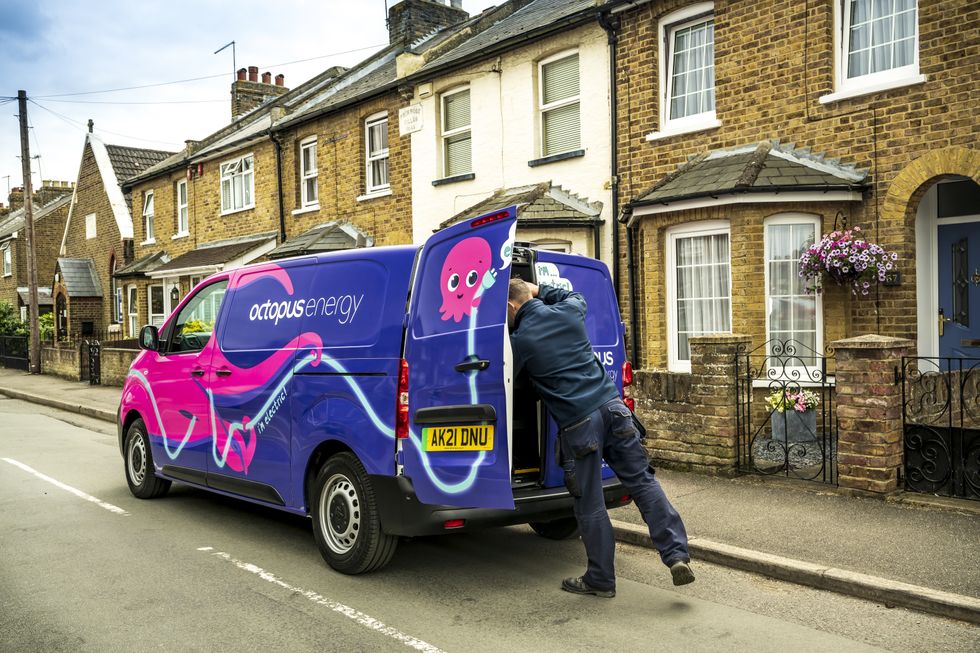
Octopus Energy confirmed it will participate in the expanded scheme
| OCTOPUS ENERGYOctopus Energy confirmed it will participate in the expanded scheme, having previously helped develop the original demand flexibility service with Neso.
The supplier has enrolled more than 2 million customers in various flexibility programmes, distributing over £10.5million in savings to those who adjusted their consumption patterns.
Britain spent nearly £1.5billion last year on constraint costs, paying to switch off wind turbines and fire up gas plants when the grid struggled to balance supply.
Alex Schoch, Director of Flexibility at Octopus Energy, said: "It's a win-win: our customers save money, and we stop throwing away perfectly good clean energy."