








Britain’s hospitality sector is facing what industry figures describe as a “perma-crisis”, as rising energy costs linked to conflict in the Middle East add to mounting financial pressures.
Pubs, restaurants and hotels are contending with a combination of higher oil and gas prices alongside increases to business rates and the national minimum wage that came into force at the start of April.
David Roberts, a hospitality sector specialist at CMS, said: "This is just the latest in a long procession of inflationary pressures that the industry is facing."
He added: "It's starting to feel like a perma-crisis."
Kate Nicholls, chair of UKHospitality, told the Financial Times that independent businesses are facing a “real triple whammy” of rising costs.
Industry estimates suggest independent hospitality firms will see average business rates increase by £3,126 this year, representing a 15 per cent rise.
Restaurants and hotels were excluded from the relief package announced in November’s Budget, which was targeted at pubs facing steep rates increases.
Rural businesses operating off the main energy grid have been particularly affected by rising fuel costs.
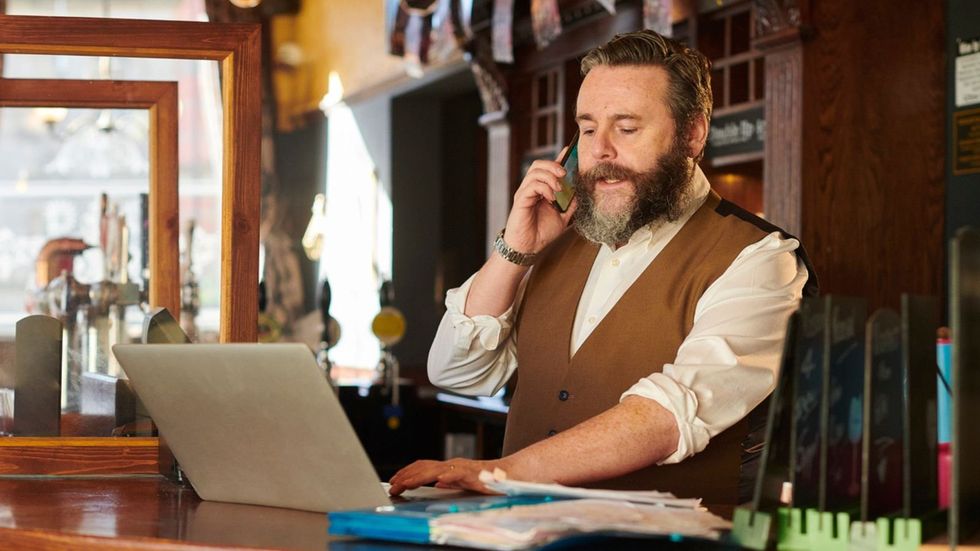
UK hospitality crisis: Energy bills and business rates push pubs and restaurants to brink
|GETTY
Ms Nicholls said: "If you need to fill your tank, you have to do that immediately and you can't hedge against that."
One example is The Lanes Hotel and restaurant in Somerset, where heating oil costs have risen to 145p per litre from 76p before the escalation of tensions in the Middle East.
Owner Shaun Whitehouse said the increase has added around £500 per week to operating costs, describing it as a significant impact for a small business.
Mr Whitehouse said he reduced staff working hours in March to manage costs, adding that he was reluctant to raise prices for customers who were already cutting back on spending.
LATEST DEVELOPMENTS
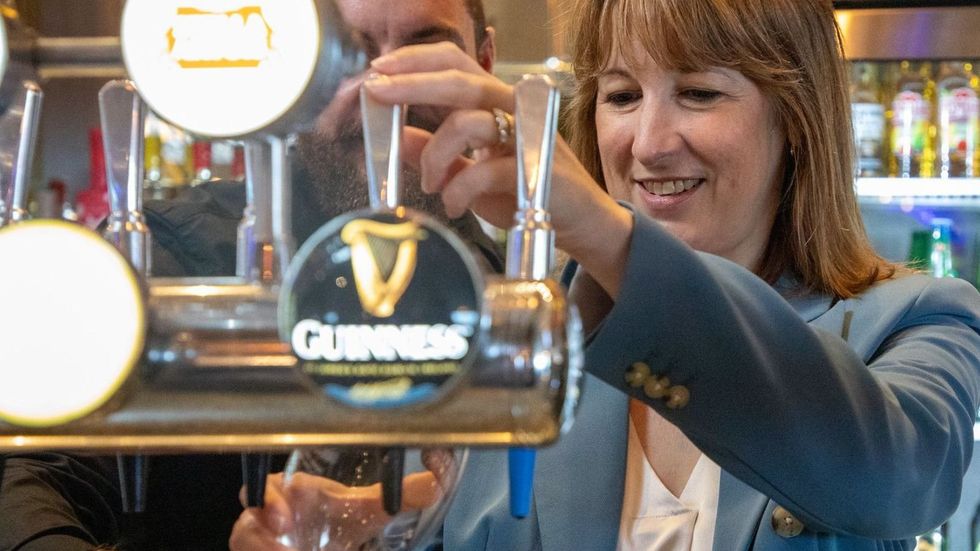
The Chancellor has faced criticism for over-taxing the private sector and making life harder for businesses
| RACHEL REEVES / LINKEDINIndustry data indicates that such pressures are widespread.
A February survey by NIQ on behalf of trade bodies found nearly two-thirds of hospitality businesses are planning to reduce staffing levels following increases in business rates and the minimum wage.
Some venues have already reduced opening hours to lower costs, while others have paused expansion plans.
Ian Dunstall, a director at Upham Inns, told the Financial Times: "The hospitality industry's reserves to take extra hits are running low."
For many businesses, future viability may depend on when existing energy contracts expire and are renegotiated at higher rates.
Even before the latest rise in energy costs, 93 per cent of firms surveyed reported that energy bills were affecting profitability, with 15 per cent saying they feared closure.
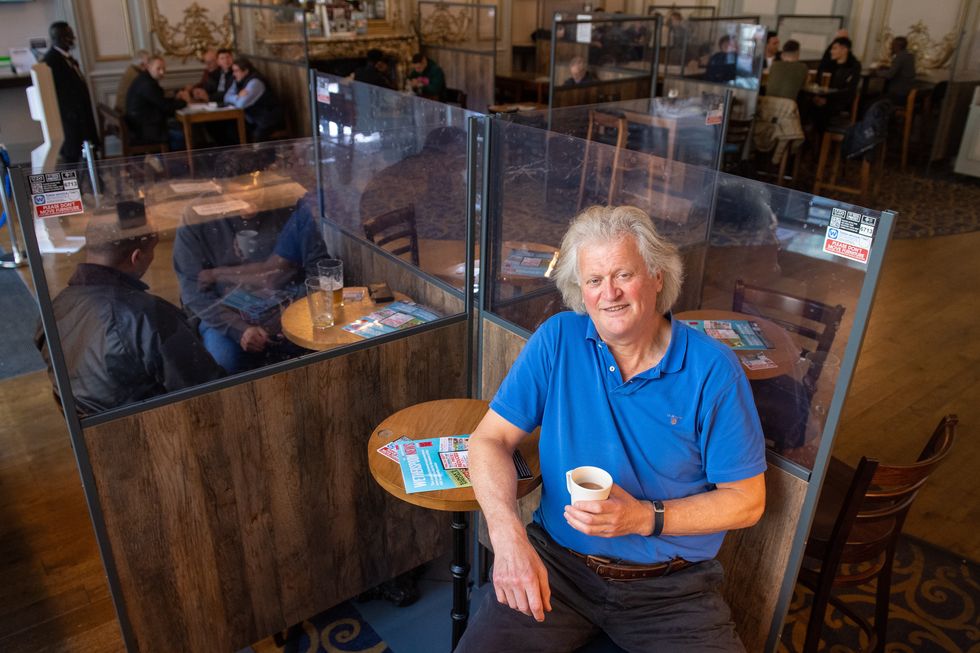
JD Wetherspoon founder and chairman Tim Martin said the sector is "possibly more vulnerable than it's ever been."
| PATim Martin, founder and chief executive of Wetherspoons, said the sector is "possibly more vulnerable than it's ever been."
The company warned last month that profits could fall below expectations due to higher labour costs, increased taxes, rising energy bills and pressure on consumer spending.
Larger operators including Wetherspoons and Greene King have secured energy prices in advance, offering some protection in the short term.
However, for many smaller businesses, high energy costs remain a critical concern.
Mr Martin said such pressures risk becoming "the straw that breaks the camel's back" for parts of the industry.