









The infamous £100,000 tax trap is resulting in thousands of young Britons "putting the brakes" on their careers to avoid a 71 per cent charge from HM Revenue and Customs (HMRC), new research indicates.
Research from wealth manager Killik & Co reveals that more than one in five high earners believe the £100,000 tax trap is harming their professional advancement.
The study, which surveyed 2,000 individuals earning six-figure salaries, found that 10 per cent of respondents had contemplated cutting their working hours to bring their income below the threshold.
Meanwhile, 17 per cent indicated they would turn down a salary increase or promotion to avoid crossing the £100,000 mark.

Analysts note the £100k tax trap is causing Britons to 'put the brakes' on their careers
|GETTY
The findings also showed that over a quarter of young workers between 18 and 24 reported that tax considerations had dampened their career ambitions.
Workers who breach £100,000 threshold face a sizable HMRC bill, with their tax-free personal allowance gradually withdrawn while simultaneously losing access to Government-subsidised childcare.
This combined effect means workers can face an effective marginal tax rate of 62 per cent on earnings between £100,000 and £125,140.
For those still repaying student loans, the situation is even more punishing, with an additional nine per cent deducted from their income, pushing the total marginal rate to 71 per cent.
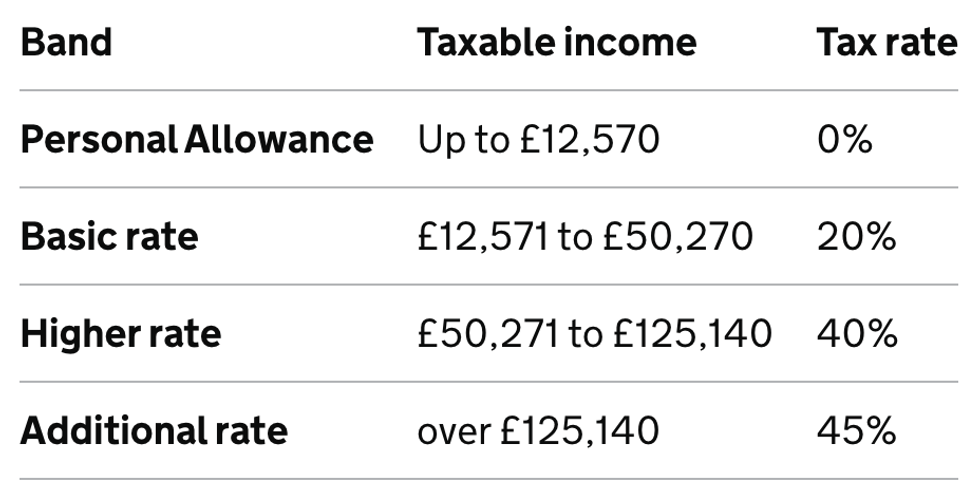 As inflation increases wages, frozen tax bands mean people end up paying higher tax without pay increases in real-terms | GOV.UK
LATEST DEVELOPMENTS
Those paying off student loans face paying more to HMRC
| GETTYParents with children aged nine months to four years can receive up to 30 hours of free childcare weekly, but this entitlement disappears entirely once either parent's salary exceeds £100,000.
Will Stevens, the head of Proposition Management at Killik & Co, said the tax trap was "actively discouraging" workers from pursuing higher earnings.
He said: "This is leaving families under financial strain and in an unnecessarily difficult position. It's forcing families to deploy counterproductive strategies like restricting promotions and considering less optimal forms of financial compensation."
Mr Stevens warned the consequences extended beyond individual households, stating: "This not only weighs on the personal finances of those affected but also drags on the wider economy as young, bright individuals put the brakes on their careers to avoid the [trap]."
What is your tax bill?
| GETTYNearly a third of those surveyed said they financially supported their own parents.
Education Secretary Bridget Phillipson announced last week that the Government would examine the income thresholds for accessing free childcare, describing the current system as needing to be "simpler" for parents, though she offered no specific details.
Currently, 62 per cent of earners have considered using salary sacrifice arrangements to boost pension contributions and remain below the threshold, but this strategy will become less effective from 2029 when pension contributions above £2,000 will attract National Insurance deductions.