





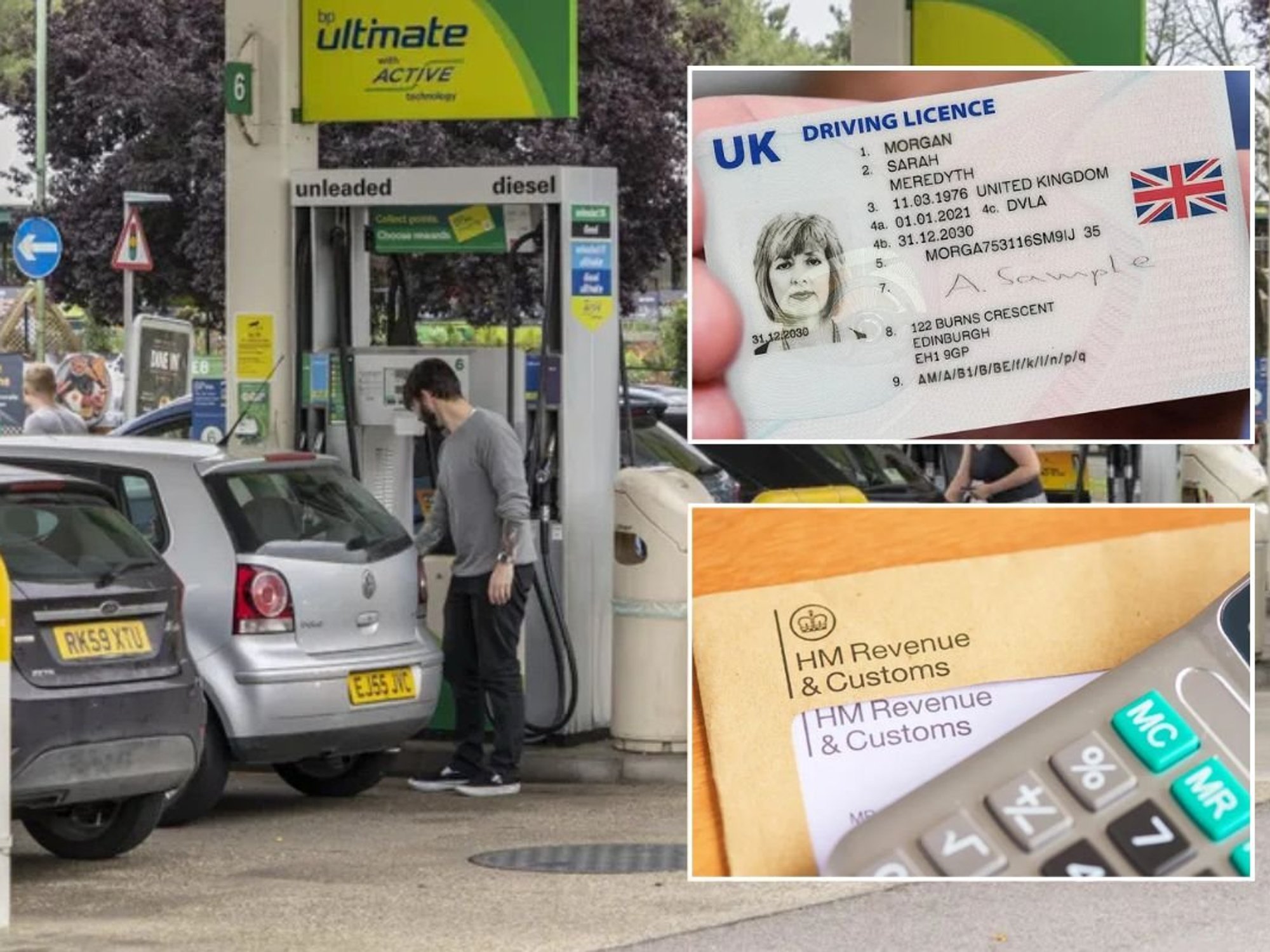


Hundreds of thousands of taxpayers are missing out on money owed to them after failing to cash HMRC refund cheques.
New figures show that nearly 180,000 people did not claim tax rebates worth an average of around £800 each over the past year.
In total, this has left about £144million in unclaimed funds sitting with the tax authority.
The data highlights ongoing issues with HMRC’s payment system, particularly as paper cheques continue to go unused.
Paper cheques can be lost or stolen in the post, creating added complications for both taxpayers and HMRC, while millions of Britons continue to overpay income tax each year.
Tax overpayments arise from various circumstances, including switching employers mid-year, holding multiple income streams, or being assigned an incorrect tax code.
HMRC has been trying to reduce the number of cheques it issues for several years, but figures obtained by The i Paper via Freedom of Information request show it still issued 1,746,720 last year, of which 178,180 were never cashed.
When someone pays more than they owe, HMRC dispatches a P800 tax calculation letter explaining how to claim their refund.
Should the taxpayer fail to respond within three weeks, the department automatically posts a cheque to their registered address.
This process affects both PAYE employees and pensioners who may have overpaid on their pension income.
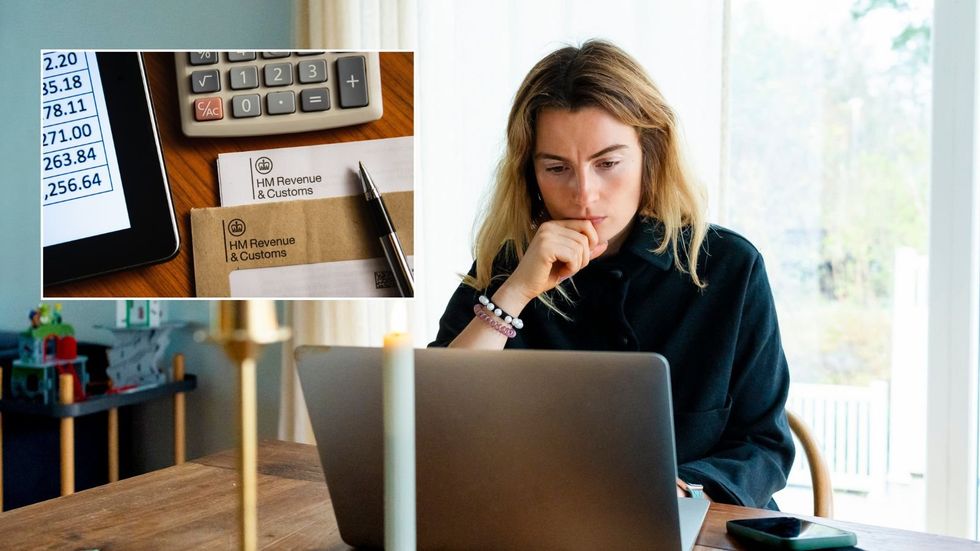
178,000 taxpayers miss out on £800 rebate
| GETTYMoney Saving Expert notes that HMRC will always communicate via letter regarding any tax owed, and may follow up with a text reminder if no action is taken.
The site emphasises that HMRC will never request payments or personal details through these communications.
How to reclaim:
If a taxpayer misses out on cashing an HMRC cheque, there are steps they can take to recover the money.
HMRC typically sends a P800 letter from around June, following the end of the tax year in April, informing individuals they are due a refund. In most cases, they are asked to claim the money via a bank transfer using BACS, which can be done through a Government Gateway account. Those without an account can create one on the official government website.
If a cheque has been left uncashed for more than six months, it can no longer be used. However, HMRC says a replacement can be requested by contacting the department online or by phone.
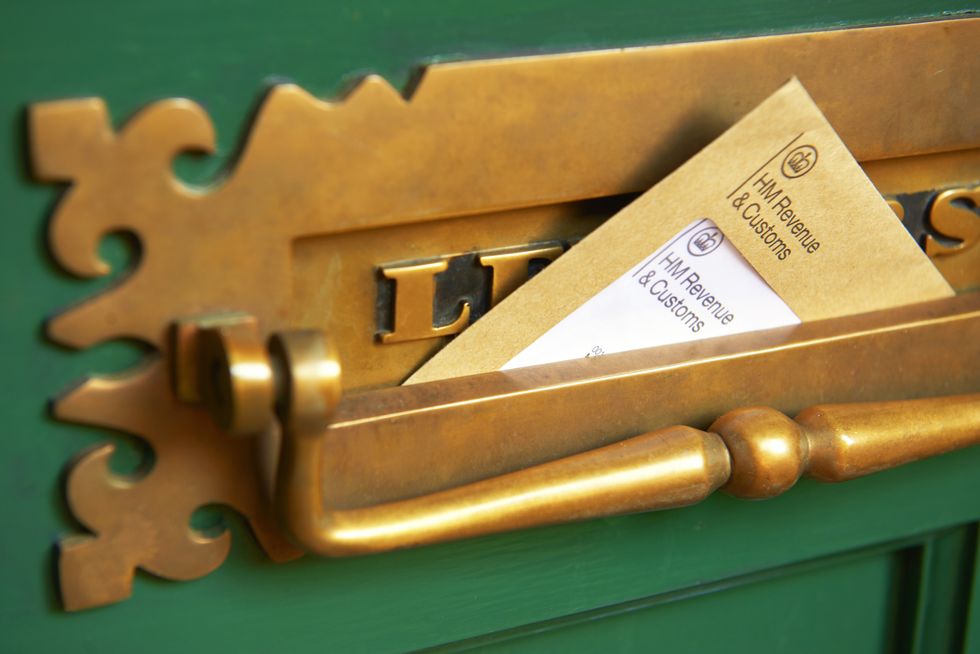
Paper cheques can be lost or stolen in the post, creating added complications for both taxpayers and HMRC
| GETTYWhile there is no strict deadline to request a replacement, it can become more difficult for HMRC to verify a claim after nine years, so it is advisable to act well before this point.
Tax professionals have expressed concern over the findings. Robert Salter, a partner at Blick Rothenberg, said: "It is certainly a bit problematic that HMRC continues to use cheques to settle tax refunds in so many cases."
However, he also placed some responsibility on recipients, adding: "Until people do consistently open their HMRC correspondence, there is always going to be a problem and delays with the tax refund process."
Shaun Moore, tax and financial planning expert at Quilter, offered a broader perspective: "The data highlights how some parts of the tax system are still struggling to keep pace with a digital economy."
He noted that overpayments remain common and are unlikely to diminish, making the method of issuing refunds increasingly significant.
Cashing a cheque is typically done at a bank branch
| GETTYMr Moore added that while cheques may occasionally be unavoidable, accelerating the shift to digital processes would reduce friction and ensure overpaid tax reaches people more reliably and promptly.
HMRC has been working to reduce cheque volumes for several years, transitioning since 2024 to a system that attempts alternative contact methods unless a cheque is specifically requested.
However, roughly 20 per cent of taxpayers remain on the old system. The department aims to complete the transition by April 2027.
An HMRC spokesperson said: "The vast majority of pay as you earn (PAYE) repayments are issued via bank transfer, which is now the default option, and the quickest and most secure way for customers to receive their money."
The spokesperson added that customers who opt for cheques bear responsibility for cashing them.