





Hundreds of thousands more pensioners and savers are being hit with unexpected tax bills from HMRC as frozen thresholds collide with rising incomes.
New figures show a sharp surge in so-called simple assessment letters, dragging many people into paying tax for the first time since retiring.
Fresh data obtained through a Freedom of Information request has exposed a dramatic surge in unexpected year-end tax demands hitting pensioners and savers across the country.
According to figures secured by LCP partner Steve Webb, more than 1.32 million individuals received these unwelcome letters from HM Revenue and Customs during the 2023/24 financial year.
The total represents a near-doubling compared with just two years prior, when 675,000 people faced similar demands in 2021/22.
The sharp increase stems from a collision between stagnant tax thresholds and climbing state pension payments, leaving growing numbers of retired people liable for income tax despite having relatively straightforward financial circumstances.
HMRC issues these so-called simple assessment notices to taxpayers who owe money but lack a PAYE code through which deductions can be made automatically.
The system primarily affects pensioners who have no private pension through which HMRC can collect tax via standard payroll codes.
Savers whose interest earnings exceed the £1,000 personal allowance can also find themselves caught by the process.
 Fiscal drag is pulling more savers into higher tax brackets | GETTY
 For most workers, income tax is deducted automatically throughout the year using PAYE codes applied to wages or occupational pensions. Those with more complicated finances, such as landlords or the self-employed, complete full self-assessment returns annually.
Simple assessment targets those falling between these categories, where tax affairs remain uncomplicated but no mechanism exists for automatic collection. A typical case involves someone relying solely on the state pension, which has now risen close to taxable levels.
The personal allowance has remained frozen at £12,570 since 2021/22, while the state pension jumped by 10.1 per cent in April 2023.
While the volume of demands has soared, the majority involve modest sums. HMRC data reveals that 24 per cent of recipients in 2023/24 owed £100 or less, with a further 15 per cent facing bills between £101 and £200. Half of all demands issued were for amounts below £300.
HMRC data reveals that 24 per cent of recipients in 2023/24 owed £100 or less
| GETTYApproximately 39 per cent of bills totalled £200 or under, while 64 per cent came in beneath £500. Roughly three-quarters of all simple assessment notices were for less than £1,000.
However, larger demands remain significant. Ten per cent of those contacted were asked to pay between £1,001 and £2,000, and 13 per cent received bills exceeding £2,000.
Nearly a quarter of all demands topped the £1,000 mark, highlighting that while most bills are small, substantial sums are also being pursued.
Steve Webb, the former pensions minister now working as a partner at LCP, cautioned that the figures are likely to climb further still. With the state pension having increased by an additional 13 per cent between April 2023 and April 2025, his consultancy predicts the number receiving simple assessment demands could surpass two million when 2024/25 data becomes available.
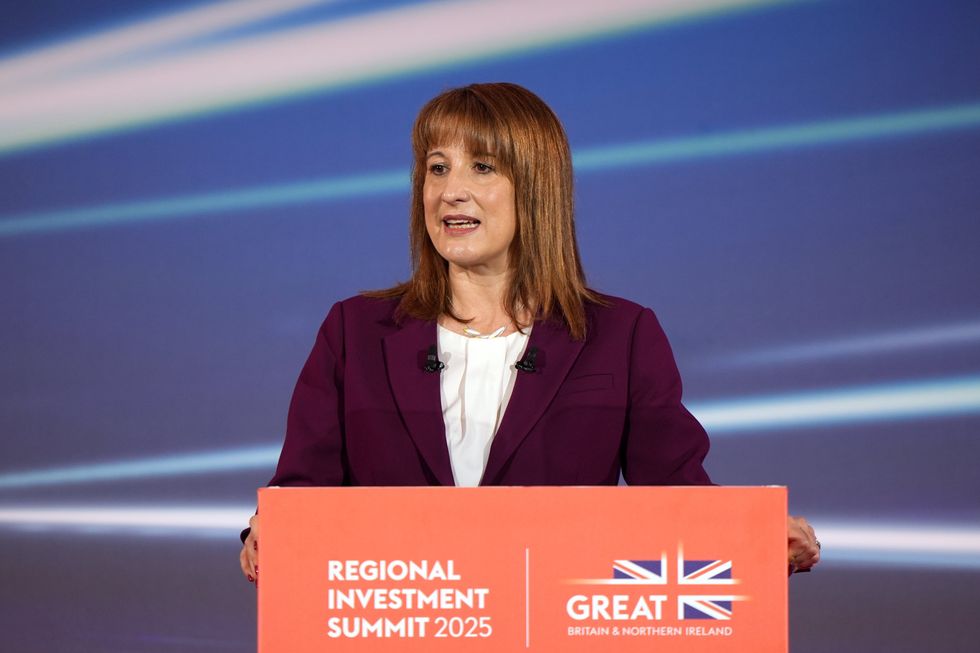
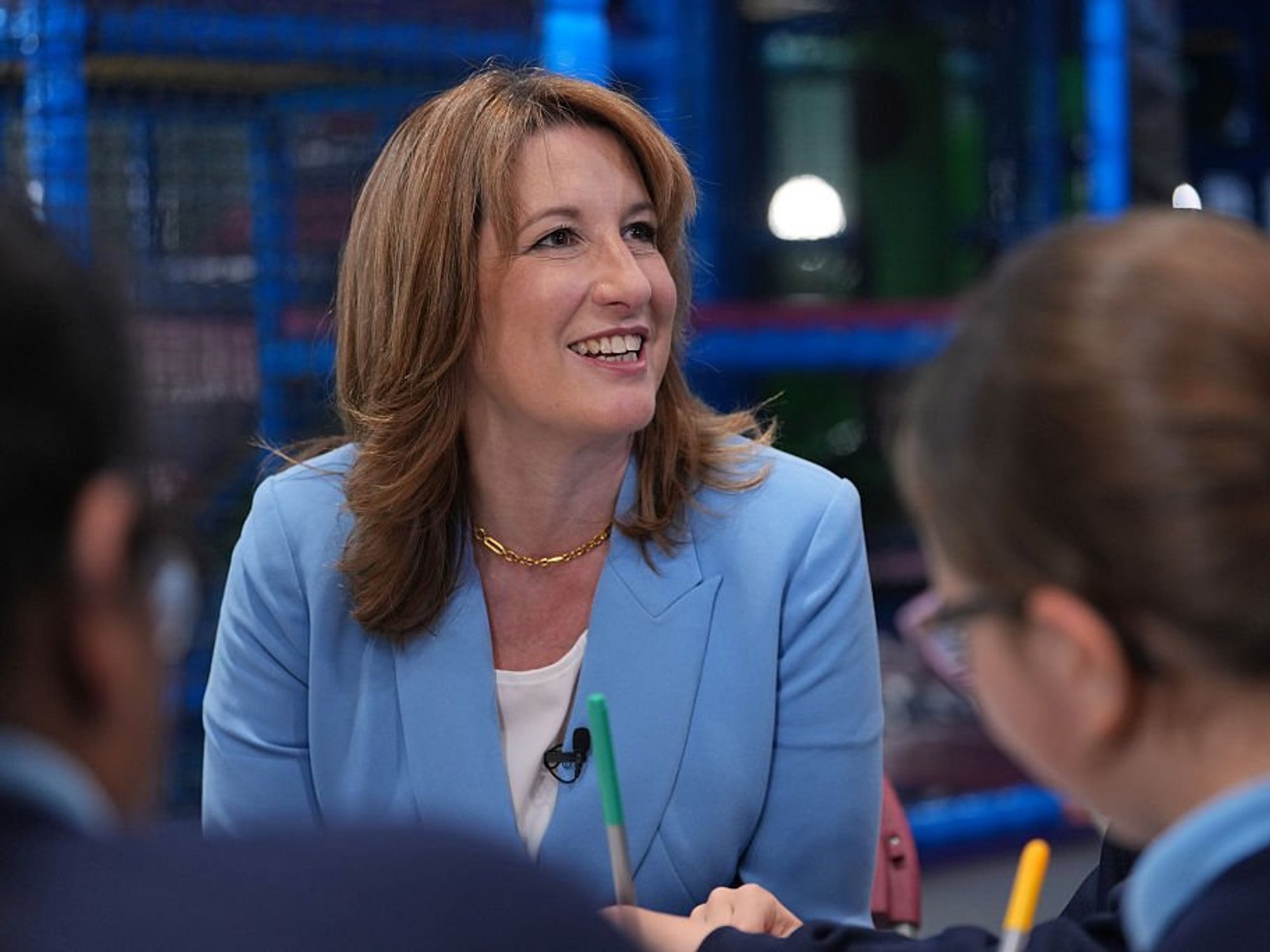
Chancellor Rachel Reeves announced in last year's autumn budget that from April 2027 those whose sole income is the state pension will be exempt from paying income tax
| PA"For many people, having to deal with the tax office is a hassle they can do without," Mr Webb said.
"Although the Government has indicated it may address this issue for a subset of pensioners from 2027, a much wider-ranging solution is needed."
Chancellor Rachel Reeves announced in last year's autumn budget that from April 2027, those whose sole income is the state pension will be exempt from paying income tax. The precise mechanics of this policy have yet to be disclosed.