









Thousands of parents are making HM Revenue and Customs (HMRC) errors when it comes to filing their Child Benefit tax return, analysts warn.
Just seven per cent of families eligible to use HMRC's new PAYE-based collection method for the High Income Child Benefit Charge have opted to make the switch, according to newly obtained figures.
The data, released under Freedom of Information (FoI) laws and analysed by financial services firm Quilter, indicates that the vast majority of affected households continue to file Self Assessment tax returns despite an alternative now being available.
Analysts note the findings point to a significant awareness gap, with many parents apparently unaware that they can have the charge collected automatically through their tax code rather than completing annual returns.
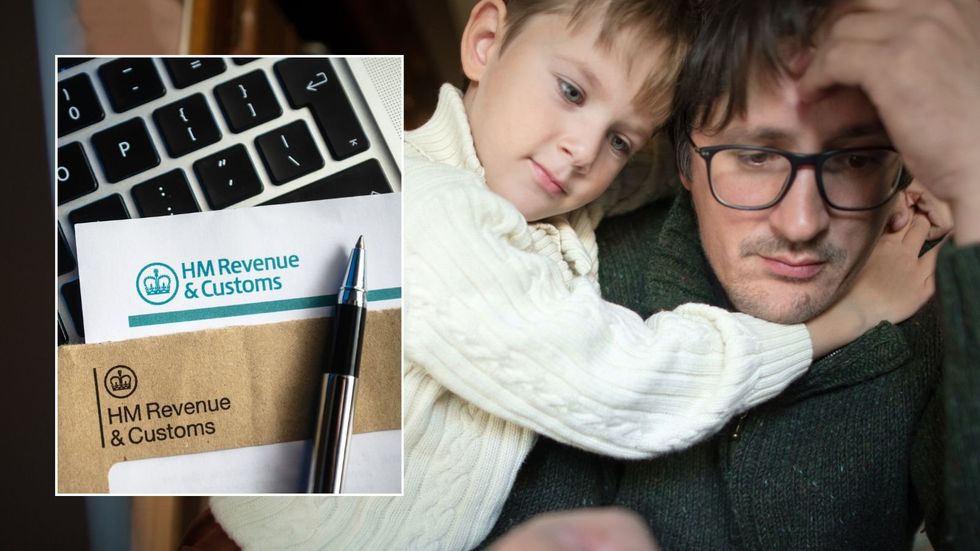
Thousands of parents are making a Child Benefit error
|GETTY
HMRC's digital PAYE service attracted 8,840 users during the 2025/26 tax year, with an additional 1,239 registrations recorded in the current financial year up to May 13.
These numbers stand in stark contrast to earlier HMRC figures showing approximately 126,000 taxpayers were completing Self Assessment returns in 2022/23 solely because of their liability for the child benefit charge, despite having income exclusively from employment or pensions.
The comparison between these datasets reveals the limited penetration of the new system, with the overwhelming majority of those who could benefit from PAYE collection yet to take advantage of it.
Although the threshold for the charge increased from £50,000 to £60,000, the number of families caught by the policy is unlikely to have fallen significantly.
LATEST DEVELOPMENTS
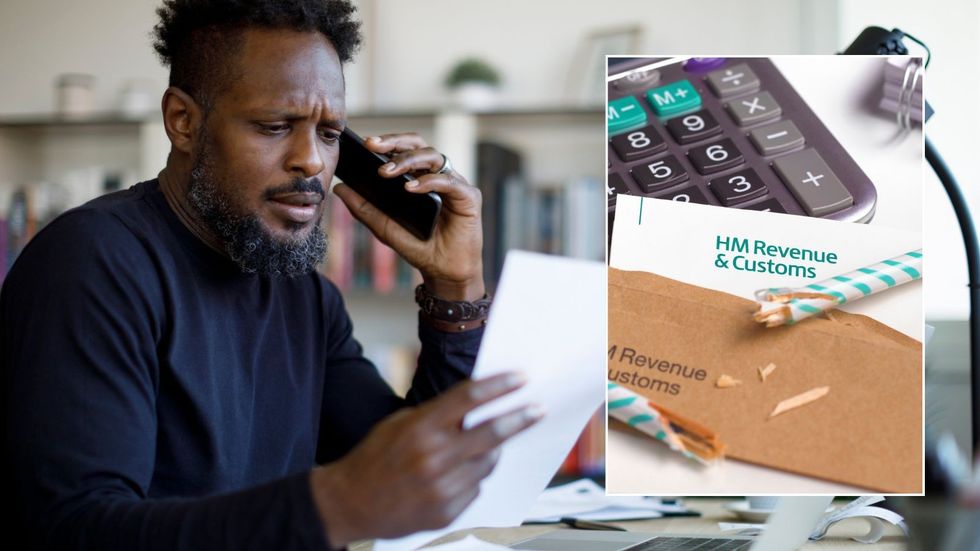
Are you eligible for Child Benefit?
|GETTY
Prolonged freezes to income thresholds, combined with robust nominal wage growth, have pushed many households back into scope of the charge over recent years.
Thanks to fiscal drag, the pool of parents potentially required to complete Self Assessment purely because of child benefit clawback remains substantial.
Shaun Moore, tax and financial planning expert at Quilter, said: "It is laudable that the Government has opted to introduce a PAYE-based system for collecting the High Income Child Benefit Charge, and it is understandable that a reform of this nature may take time to bed in.
"However, the low takeup so far suggests that awareness remains limited and that many families simply do not realise an alternative to Self Assessment now exists."
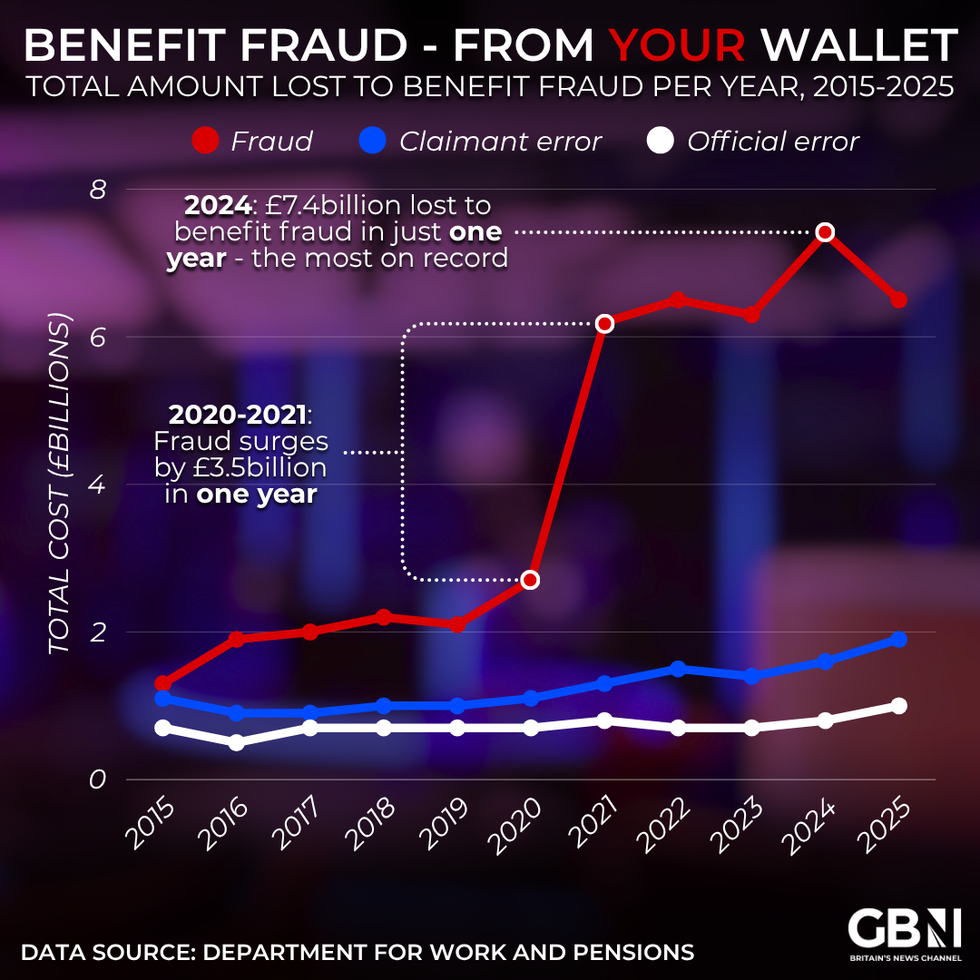 Benefit fraud - from your wallet: Total amount lost to benefit fraud per year | GB NEWS
Mr Moore called for HMRC and employers to do more to help people understand their options.
He highlighted pension salary sacrifice as one of the most effective legitimate methods for managing adjusted net income and protecting child benefit entitlement.
The tax expert added: “We also need to recognise that this issue is likely to grow rather than fade. While the threshold was raised to £60,000, strong wage growth combined with frozen thresholds means more families will continue to be brought into scope over time, including many for whom the policy was never originally designed.
"With the threshold unlikely to be uprated in the near future, it becomes increasingly important that HMRC and employers do more to ensure people understand their options.
“For families close to the Child Benefit threshold, pension salary sacrifice remains one of the most effective and legitimate ways of managing adjusted net income and protecting entitlement. But with more households likely to be affected in future, improving awareness of how the charge works and how it can be managed is becoming increasingly important."