









Around one million UK taxpayers face a critical HM Revenue and Customs (HMRC) deadline in just two days, with March 3, 2026 marking the cut-off point before significant financial penalties kick in.
Those who failed to settle their 2024/25 tax liabilities by the January 31 deadline must now act swiftly or incur a five per cent surcharge on outstanding amounts.
Robert Salter, a director at Blick Rothenberg, warned that late payment interest has been accumulating since February 1 at an annualised rate of 7.75 per cent, adding further costs on top of the surcharge.
He said: "The one million taxpayers HMRC estimates missed the January 31 deadline to settle their 2024/25 UK tax liabilities must pay up before March 3 2026 or face a five per cent surcharge on any underpaid taxes plus late payment interest."

One million Britons face a five per cent tax surcharge
|GETTY
Mr Salter explained that someone owing £2,000 in self-assessment tax who settles on April 1, 2026 would face roughly £125 in additional charges beyond their original liability.
He added: "This figure would continue to increase, the longer that the tax remains outstanding, and additional five per cent surcharges can arise, where the tax is unpaid six and twelve months after the core payment deadline."
The late payment surcharge and interest mechanisms have formed fundamental components of the UK's self-assessment system for nearly three decades, with most accepting that additional costs for non-compliance are reasonable.
Mr Salter pointed to frozen tax bands pushing more people into higher brackets, combined with ongoing cost-of-living pressures, as factors making timely settlement challenging.
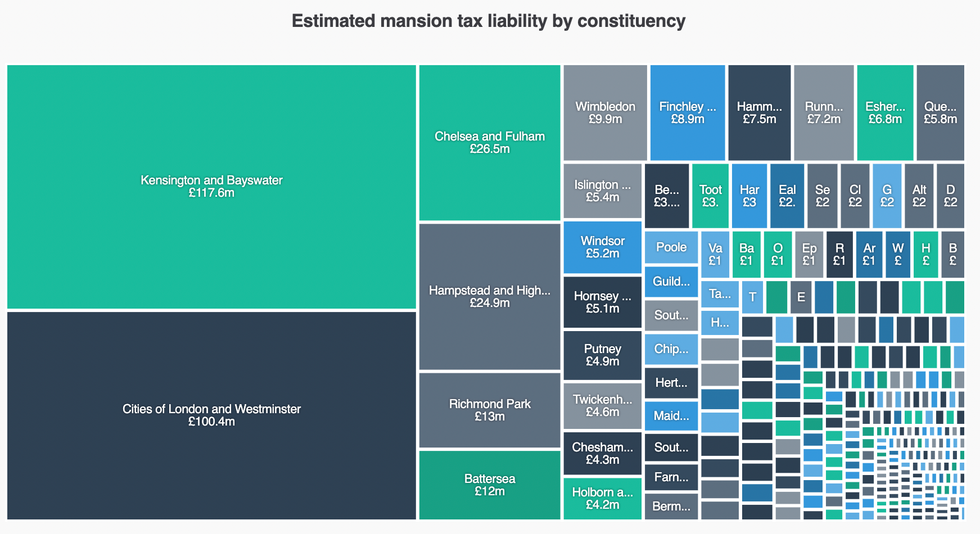 Estimated mansion tax liability by constituency | Tax Policy Associates
LATEST DEVELOPMENTS
 Missing two annual deadlines within a two-year period will trigger a £200 penalty | GETTY
He noted: It is impossible to quantify exactly how much additional revenue HMRC can expect from these late tax payment charges, but their statistics indicate that they have previously received over £300million in self-assessment-related penalties in a single year."
With effective tax rates having risen sharply in recent years and numerous taxpayers yet to file or pay, HMRC's previous penalty record could well be surpassed in the months ahead.
Neela Chauhan, a partner at UHY Hacker Young, added: “The cost of not paying your Self-Assessment tax can rise quickly. Initial penalties may be relatively small, but interest and further charges add up and can really start hurting quite quickly.
"Penalties are applied automatically, so it is worth checking they are correct. Many penalties are overturned when challenged, so it is important to dispute those you believe have been issued in error.
 Self-employed individuals need to file their tax returns | GETTY
Those unable to pay their Self-Assessment bills in full should negotiate a Time to Pay arrangement, which allows them to spread the cost in instalments rather than paying a single lump sum.
Analysts note these particular payment agreements with HMRC are typically easier to secure before penalties build up.
Ms Chauhan shared: "Those finding it hard to pay their tax bill on time should set up a payment plan as early as possible. The Government is facing a fiscal black hole, so they should expect HMRC to become even tougher on tax debt collection.
"Seeking professional advice can help those struggling with their tax bills budget more effectively for the year ahead."
More From GB News