





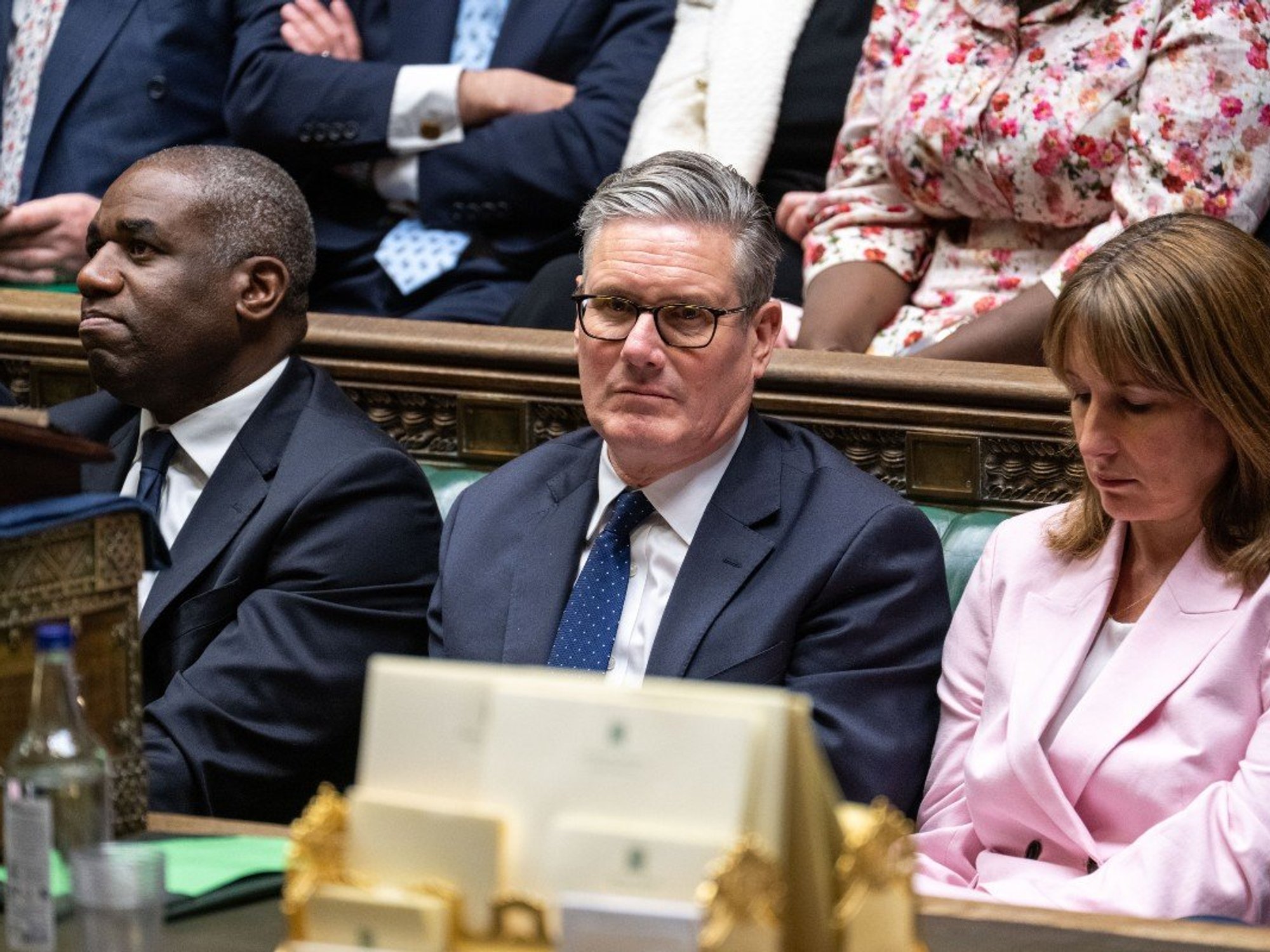



Bereaved families could be hit with an unexpected financial blow under a Labour plan that would take up to 100 per cent of the interest earned on money held by solicitors, experts have warned.
The proposal, described by critics as a £100million "back door tax", would affect families dealing with probate as well as buyers navigating the stress and cost of moving home.
The Ministry of Justice set out the plans this month, which would redirect interest generated while lawyers temporarily hold client funds during estate administration or property transactions.
At present, clients usually receive some or all of that interest once the legal process is completed.
Tax specialists say the change risks penalising people at particularly vulnerable moments, including those settling a loved one’s estate, by stripping away income they would otherwise expect to receive.
TRENDING
Stories
Videos
Your Say
Andrew Sanford, a partner at tax and accounting firm Blick Rothenberg, condemned the proposal as an "egregious form of government enrichment" that had been "slipped out with little public pronouncement."
He cautioned that lengthy probate cases could see affected individuals lose hundreds of pounds or more in interest payments.
"It really could affect those who are particularly disadvantaged," Mr Sanford said, noting that estate administration is frequently delayed by family disputes and processing backlogs at HMRC.
The tax expert added that similar losses would affect those awaiting personal injury compensation or navigating divorce settlements, describing the measure as "essentially a tax through the back door" targeting money clients are "clearly entitled to."

Grieving families face £100million 'back door tax' under new Labour plans
| GETTYUnder the consultation document, the Government has proposed claiming 75 per cent of interest from pooled accounts, where multiple clients' funds are combined, though it has invited views on whether this should rise to 90 or 100 per cent.
For individual accounts, typically used for larger matters such as probate or corporate transactions, the suggested rate stands at 50 per cent.
Dan Neidle, founder of Tax Policy Associates, questioned who would ultimately shoulder the burden.
"Is it the lawyers? Or is it their clients, when they've large amounts in their lawyers' client accounts, particularly during property transactions and probate?" he asked. "Either way, this is in effect a tax increase – the only question is who pays it."
LATEST DEVELOPMENTS

A moj spokesperson said the department was "exploring how interest earned on accounts"
| GETTYThe Ministry of Justice defended the consultation, stating it had inherited a justice system in crisis following years of underinvestment that had created court backlogs and prison overcrowding.
A spokesperson said the department was "exploring how interest earned on accounts – a tried and tested idea already operating in many countries around the world – could be invested to strengthen our justice system, making it fairer and more accessible for all."
Government analysis indicates the scheme could generate more than £100m annually, depending on prevailing interest rates.
Ministry polling found that only a third of law firms currently pass all pooled account interest to clients. The consultation closes next month.
Meanwhile, grieving families could also be paying thousands of pounds more inheritance tax than necessary by overestimating the value of a loved one’s personal belongings, experts have warned.
Research by probate and chattels valuer Swift Values found that more than four in five people significantly overvalued everyday household items.
If the same mistakes are made when families are valuing possessions during probate, it could mean handing over a much larger share of an estate to the taxman than required.
Inheritance tax is charged at 40 per cent on estates above the tax-free thresholds.

Inheritance tax is charged at 40 per cent on estates above the tax-free thresholds
| GETTYThat means overestimating the value of personal possessions by £5,000 could result in an extra £2,000 inheritance tax bill.
The error can easily arise from guessing the value of items such as cars, furniture, jewellery or artwork.
Swift Values tested 1,000 people and found that 81 per cent believed items including sofas, rings and even washing machines were worth more than their true market value.
Crucially, prior experience offered little protection. The study found that people who had previously acted as an executor were no better at valuing possessions than those with no experience of probate at all.
More From GB News