










Proposals for an annual wealth tax would prove counterproductive and risk driving affluent individuals out of the UK, the Institute for Fiscal Studies (IFS) has warned.
Following a six-year study into Britain’s social and economic inequalities, the think-tank concluded that taxing wealth annually would not address the root causes of disparity.
The IFS said such a policy would discourage saving and investment while encouraging internationally mobile wealthy individuals to relocate abroad.
Helen Miller, director of the IFS, said: "It sounds really intuitive, [but] you really have to understand the root causes of a problem and think hard about the policy solution, don't just use the tax and benefits system to mop up the outcomes."
Despite the warning, polling by YouGov found that three-quarters of the public support the introduction of a wealth tax.
The Green Party has been among the most prominent supporters of the policy as its polling numbers have risen.
Party leader Zack Polanski proposed a one per cent annual levy on assets above £10million, rising to two per cent for those with more than £1billion.
He said the measure could raise £15billion a year for the Treasury.
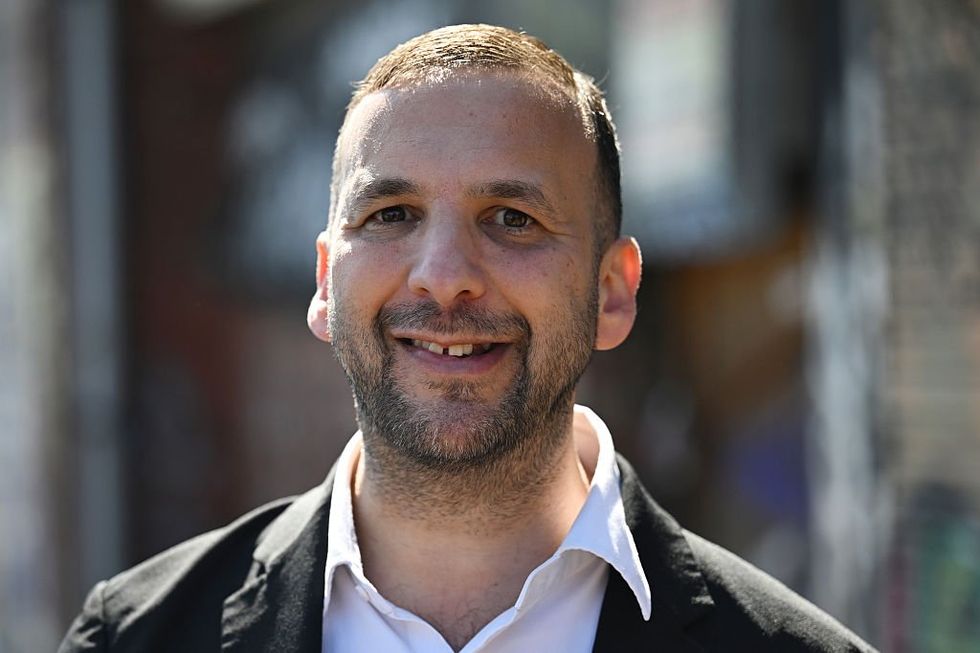
IFS warns wealth tax would push wealthy overseas and harm UK investment
|GETTY
Mr Polanski said: "A wealth tax won't fix everything and no one's ever pretended it would but it's a good place to start."
The IFS said wealth taxes remain one of the most commonly discussed responses among those concerned about inequality.
However, it warned that the effects would be most pronounced among the wealthiest individuals, who have greater flexibility to move their assets or residency overseas.
The think-tank also highlighted significant practical challenges in implementing such a tax.
LATEST DEVELOPMENTS
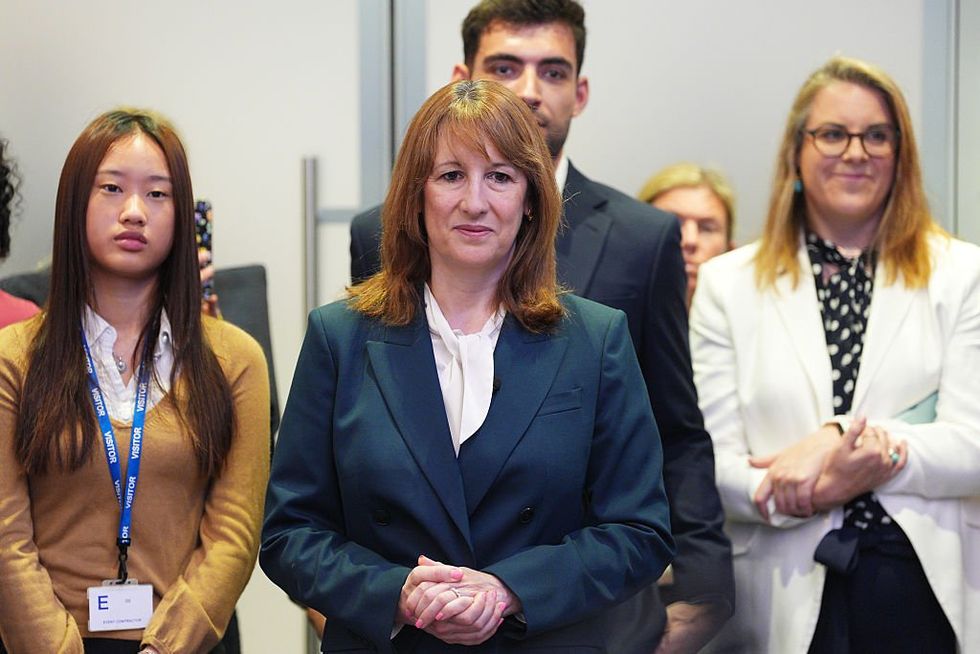
The Chancellor at an investment event last week
|GETTY
It said accurately valuing assets, particularly privately owned businesses, would be difficult and could lead to inconsistencies.
The report stated that "challenges in defining and valuing taxable wealth would inevitably create distortions and unfairness."
The IFS noted that private company valuations often reflect expected future earnings, meaning business owners could face taxation on income not yet realised.
While property and publicly listed shares can be more easily valued, privately held firms are harder to assess and divide among stakeholders including owners, family members and employees.
Support for a wealth tax is not limited to the Green Party, with a group of Labour backbenchers led by Richard Burgon calling on Chancellor Rachel Reeves to consider the policy.
Ms Reeves has been seeking to encourage saving and investment in UK businesses to support productivity and long-term economic growth.
The IFS said policymakers concerned about inequality should instead consider reforms to existing taxes on income, capital gains and inheritance.
Ms Miller said adjusting current capital taxes would be simpler and more targeted than introducing a new annual wealth tax.
The think-tank also urged policymakers to examine wider structural inequalities across education, health, employment and regional development.
Their report stated: "The long-term consequences for economic prosperity would need to be carefully weighed against any distributional benefits."
The IFS said that while the share of wealth held by the richest one per cent has remained broadly stable since the 1980s, total wealth has nearly doubled relative to GDP over the past 25 years.
It also noted that inheritance now accounts for a growing share of lifetime income.