










British households face an unavoidable rise in energy bills from July, with analysis suggesting families could lose £480 this year due to the ongoing Iran conflict.
The chief executive of Energy UK has confirmed that higher costs are coming when the price cap is updated.
Dhara Vyas, who leads the industry body explained that the financial squeeze stems from energy costs reversing what had been modest income growth for most families.
"I think it's inevitable that bills will go up on July 1, because we are more than halfway through the observation window, but I don't know yet by how much," she said at a Resolution Foundation event.
The think tank published fresh research on Monday showing that Middle East tensions are set to hit living standards hard.
Market pricing indicates the average working-age household will be nearly £500 poorer than anticipated had the conflict not occurred.
Households in the middle of the income distribution were previously expected to see their earnings rise by 0.9 per cent this year.
Instead, the Resolution Foundation calculates that incomes will actually shrink by 0.6 per cent once higher bills and petrol prices feed through.
James Smith, the think tank's chief economist, said: "Despite hopes for a sustained peace, the path of this conflict remains uncertain and energy prices remain well above pre-war levels, meaning many households face a decline in their purchasing power this year."
The pain extends across all income levels, though lower earners will still experience some growth thanks to recent benefit increases.
However, inflation is expected to wipe out more than a percentage point from what the poorest fifth of households stood to gain, reducing their income growth from 2.8 per cent to just 1.2 per cent.
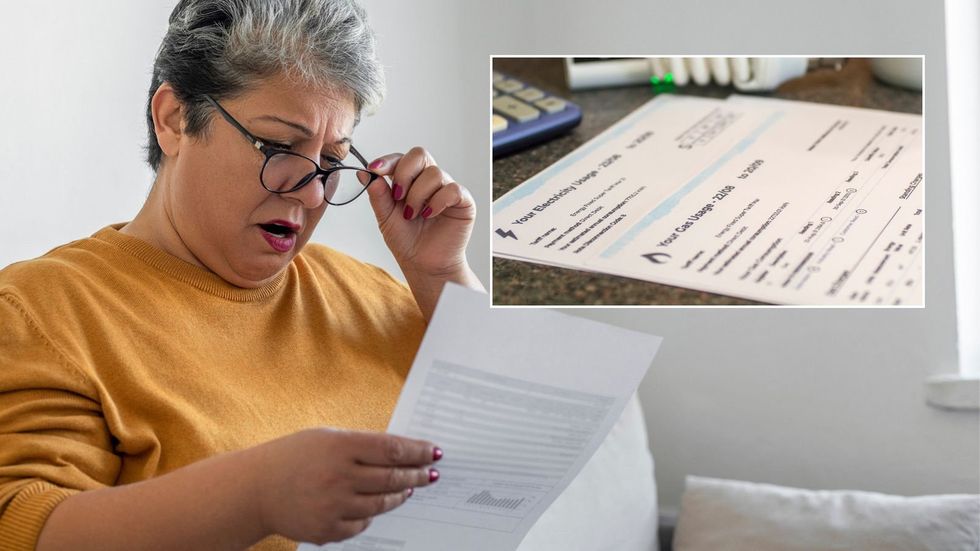
British households to be '£480 worse off this year' as energy prices soar after US-Iran war
| GETTYGlobal energy markets have been thrown into turmoil by Donald Trump's threat to blockade the Strait of Hormuz.
The US president called for tankers to be prevented from using the crucial oil and gas shipping route after negotiations with Iran broke down, sending prices surging on Monday morning.
This followed a brief dip last week when Trump announced a ceasefire.
Vyas described the situation as "wildly unpredictable," noting that energy industry workers check gas prices first thing each morning because overnight developments are impossible to forecast.
"The things we know for sure I think are our energy security is more at risk now than it has ever been," she said.
The Energy UK boss clarified she was not warning about supply shortages, but rather Britain's lack of control over its energy situation. "So investing in clean power is the way forward," she added.
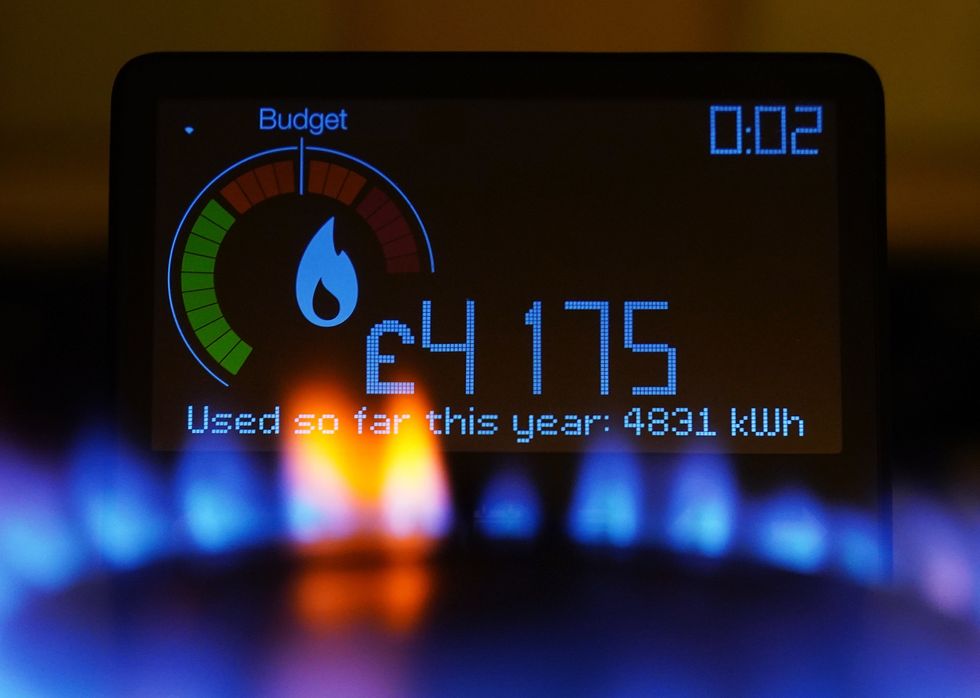
The Resolution Foundation stressed that elevated energy and fuel costs will "almost certainly be passed on to households" without substantial price falls
| PAMs Vyas urged ministers to speed up work on identifying vulnerable households who need help beyond those already claiming benefits.
She suggested the Government could use HMRC data to find people struggling with bills, saying: "I do think Government needs to really accelerate that, because if this crisis has taught us anything, it's that we continue to live in increasingly unpredictable times."
The Energy UK chief expressed frustration at how difficult it remains to pinpoint which families require assistance.
The warm homes discount scheme is believed to miss around 2.5 million households who would qualify for support.
The Resolution Foundation is pushing for a social tariff to be established before winter arrives, when energy costs will bite hardest.
Such a measure would shield those most exposed to price shocks, including people with high energy needs who face the steepest bills.
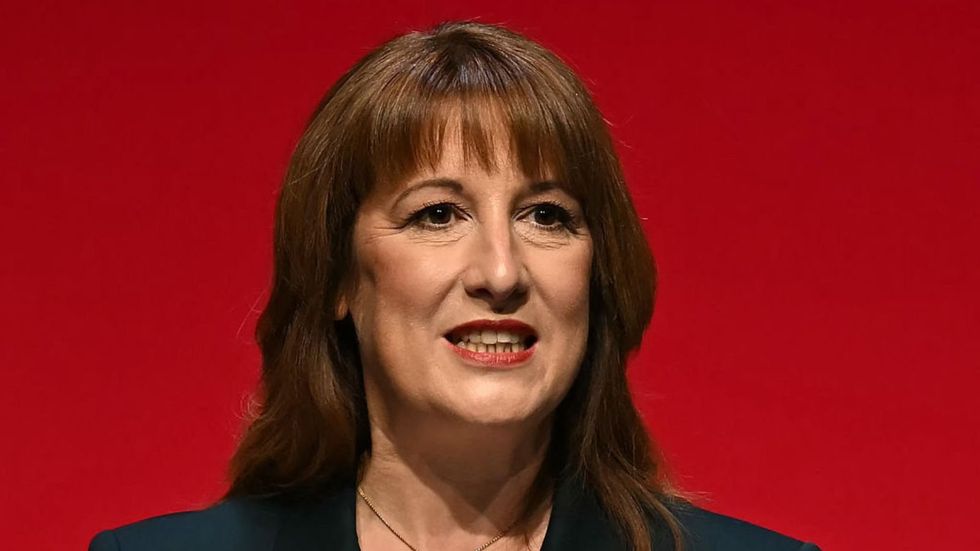
Chancellor Rachel Reeves indicated at the start of April that any support package would be means-tested
| GETTYThe long-term answer to volatile prices lies in shifting away from fossil fuels, according to Ms Vyas. She pointed to evidence that gas already plays a smaller role in determining electricity costs than it once did.
Where gas prices used to set the wholesale electricity price all of the time, that figure has dropped to around 84 per cent in recent years.
"The point I'm trying to make is, over time, that will decrease as we get more renewables on to the system," she said.
When asked whether the market needed a formal review of how pricing mechanisms operate, Vyas said changes would happen naturally as the energy transition progresses.
She said: "There's a lot happening during a period of global competition for investing in electrification and clean power. So my view is, I don't think we need to change it. It will change over time."