








So, Tony Blair is back in the fray. After a blissful couple of months of keeping quiet, the former Prime Minister penned a 5,600-word essay for the modestly named Tony Blair Institute for Global Change, telling the prime minister exactly where the Labour Party has gone wrong.
It’s just the headache Keir Starmer doesn’t need right now, what with a summer leadership contest looming, energy bills rising again and the next tranche of the Mandelson documents coming out next week.
But perhaps that is why Tony Blair took the opportunity to pounce. Kick a man while he’s down, and maybe he’ll have no choice but to sit up and listen to what you have to say.
And (shockingly to many, perhaps), a lot of what he had to say was, whisper it, rather sensible.
Take this, for example:
“[The Prime Minister’s] agenda should look at: removing obstacles to business growth; cheaper energy and electrification; welfare reform; action on immigration; and a strategy for reindustrialisation and a massive drive on skills and training because of the need for AI adoption and education reform.”
It may be couched in Westminster jargon, but what the former Labour PM is calling for is lower taxes, cooling the obsession with Net Zero, getting people off benefits and back into work, and stopping those small boats once and for all.
What’s not to like? You may think. But, predictably, Starmer, Streeting and Burnham all took umbrage at the intervention.
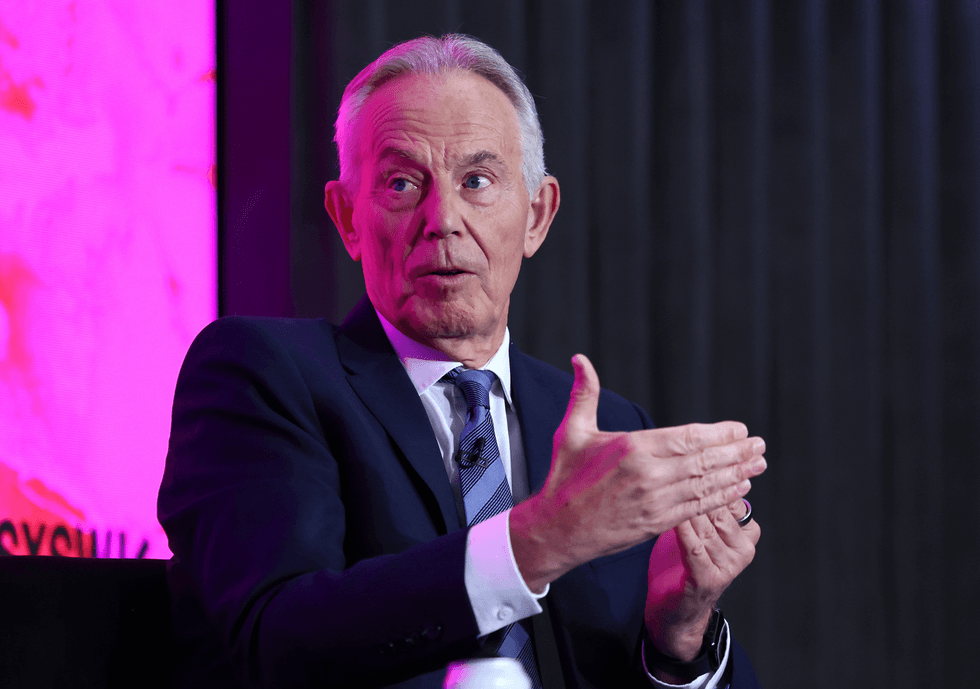
Brace yourself for the hard-left lurch following Tony Blair's sanity-restoring return - Olivia Utley
|Getty Images
In a piece for the Times yesterday, Andy Burnham called for more state control — saying that you can’t just “leave the markets to it”.
Streeting, too, rebuffed the three-time election winner, saying in the Guardian that Labour needs the confidence to shape the future rather than retreat into arguments about the past.
Behind closed doors, allies of Starmer were incandescent that Blair had chosen this particular moment to intervene, viewing the essay less as constructive advice and more as a thinly veiled critique of the current leadership’s drift and indecision (you don’t say).
The Prime Minister himself attempted to brush aside the criticism publicly, insisting his government remained “focused on delivery”, but few in Westminster were convinced. When a Labour leader starts arguing with Tony Blair about how to win elections, alarm bells tend to ring.
The deeper problem for Starmer is that Blair’s intervention exposes a growing divide at the heart of Labour: between those who still believe economic growth and pragmatism win power, and those who see bigger government, tighter regulation and ideological purity as the future.
Judging by the reaction from senior Labour figures this week, it is the latter faction that is gaining the upper hand. Readers should brace themselves — because the country looks increasingly as though it is about to lurch violently to the Left.