










Energy bills remain a major pressure for households across the UK; however, one homeowner says he has paid nothing at all since moving into his property.
His experience highlights how new housing schemes and energy technology could offer an alternative to rising costs.
Donald Litzenberg has not paid any energy bills since moving into his Milton Keynes home last August.
The 53-year-old, who relocated from the US with his wife and teenage son, previously faced monthly costs of between $400 and $700 (around £315 to £550) while living in California.
The Milton Keynes property is his first UK home, where he now lives with his wife and son. The home is part of Octopus Energy’s Zero Bills scheme, which guarantees no energy bills for between five and ten years.
Properties in the scheme are fitted with solar panels, battery storage systems and heat pumps instead of traditional gas boilers.
Speaking to GB News, he said: "If anything, the scheme has gone far better than expected. I was set up and received no bills even before the battery was properly provisioned."
His experience contrasts with the wider UK picture, where many households are still dealing with high energy costs.
Before moving, Mr Litzenberg spent years trying to reduce his bills in the US. He installed smart thermostats, switched to LED lighting and replaced every appliance in his home with more efficient models over a 15-year period.
"Over the 15 years in that home, every single appliance was replaced with a more efficient one, but my bill still kept increasing," he said.
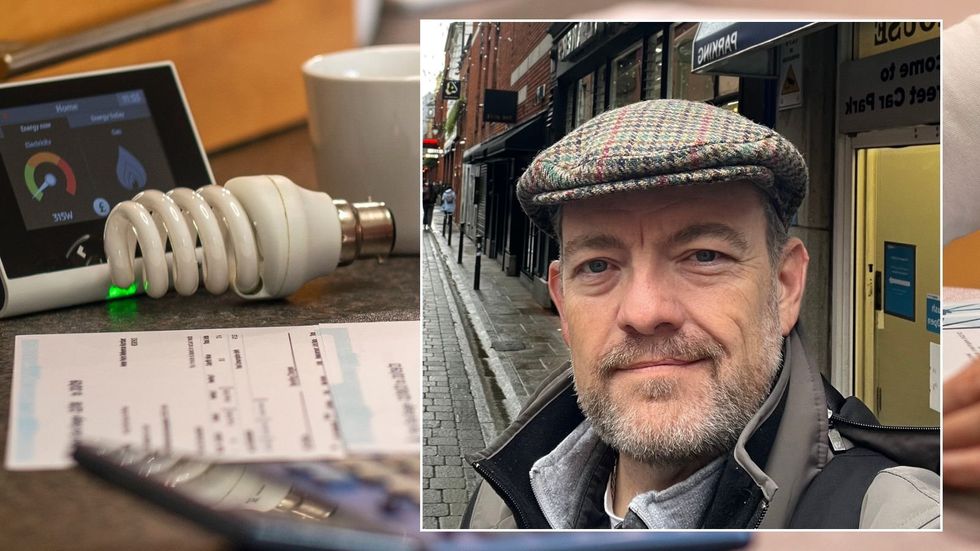
Before moving, Mr Litzenberg spent years trying to reduce his bills in the US
|GETTY/OCTOPUS
Even a three-week absence during summer did not lead to any noticeable reduction in costs.
When describing what drew him to the property, he said: "It absolutely was the eco aspect. While I haven't paid a penny since August, or received a bill, I think we pay more in rent for this place than we would have for other places without ZB."
The combination of solar generation, battery backup with smart grid management, electric vehicle charging points and heat pump technology proved compelling selling points for the family.
The Future Homes Standard, recently announced by the government, will require all new properties built from 2028 onwards to include air source heat pumps and a minimum amount of rooftop solar panels.
According to Octopus Energy, homes constructed to these new standards will already meet roughly 75 per cent of the specifications needed for their Zero Bills programme
| PAThis regulatory shift aims to decarbonise Britain's housing stock.
According to Octopus Energy, homes constructed to these new standards will already meet roughly 75 per cent of the specifications needed for their Zero Bills programme. Adding extra solar capacity and battery storage could make such properties eligible.
The economics of solar have transformed dramatically over the past decade. Panel efficiency has nearly doubled whilst costs have dropped by approximately 80 per cent. For a typical 90 square metre home, the additional materials required for Zero Bills eligibility now cost as little as £4,860.
However, the rapid expansion of solar power is creating fresh challenges for Britain's electricity network. The National Energy System Operator has warned that managing the grid is becoming increasingly difficult as renewable capacity grows under Ed Miliband's plans to triple solar output by 2030.
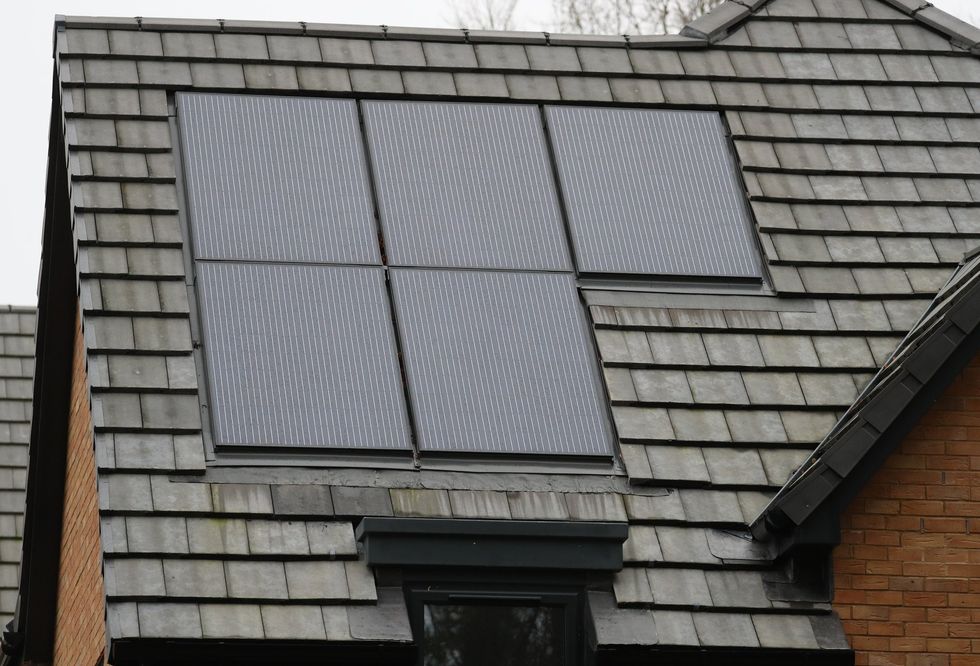
Officials say they will need to deploy "more tools, more often" to maintain stability during sunny periods when generation spikes
| PAOfficials say they will need to deploy "more tools, more often" to maintain stability during sunny periods when generation spikes.
For the first time, this could involve paying households and factories to consume surplus electricity, whilst large power stations may be instructed to shut down temporarily.
Neso's summer outlook confirmed no immediate supply risks exist, though it cautioned that conflict in Iran could push prices higher given Britain's continued reliance on gas.