










Britons are being urged to consider a simple energy bill saving hack, which could reduce their yearly household cost by up to £851, according to analysis from consumer rights experts.
Analysts are sounding the alarm as the Met Office issues warnings of wintry conditions heading towards Britain, with millions of households face mounting anxiety over their heating expenses following Ofgem's recent energy price cap hike.
Financial pressure from rising energy costs remains one of the most pressing concerns for UK residents, with experts now urging consumers to take action before the cold snap arrives.
However, energy bill experts are sharing the practical steps available that could significantly reduce annual expenditure on gas and electricity.
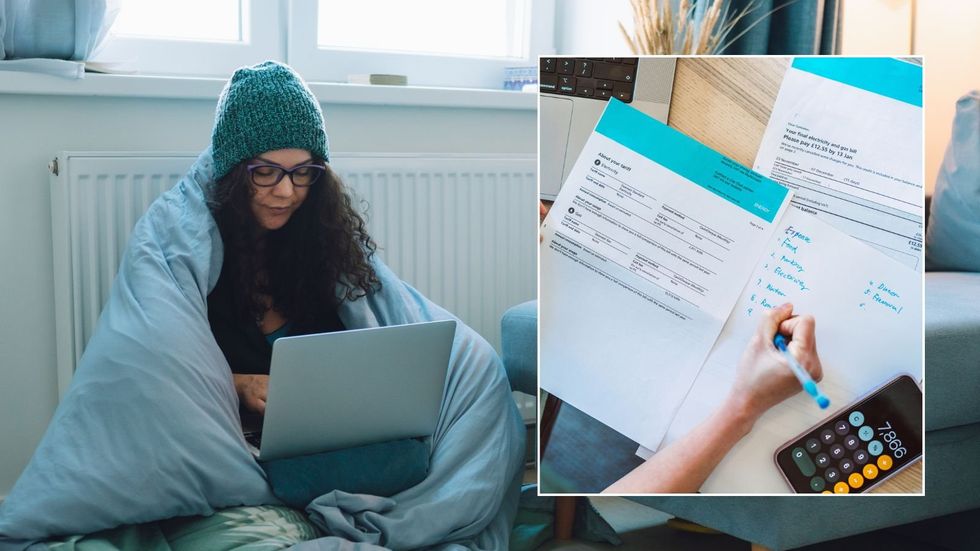
Switching energy bill suppliers can save you hundreds of pounds, experts claim
|GETTY
According to Ofgem data, approximately two thirds of energy accounts remain on standard variable rates (SVR), meaning these customers pay the highest prices their suppliers are permitted to charge.
By moving to a new fixed-rate deal, households could potentially reduce their annual bills by as much as £851. The process of changing providers is relatively straightforward, with switches completed remotely within five working days.
Customers whose new supplier fails to meet this deadline are entitled to £40 compensation, payable within ten days.
Alastair Douglas, the CEO of TotallyMoney, shared: "With the warning that colder weather, and even snow could be on its way, households across the UK will be turning up their radiators while worrying about the spike in their energy bills.
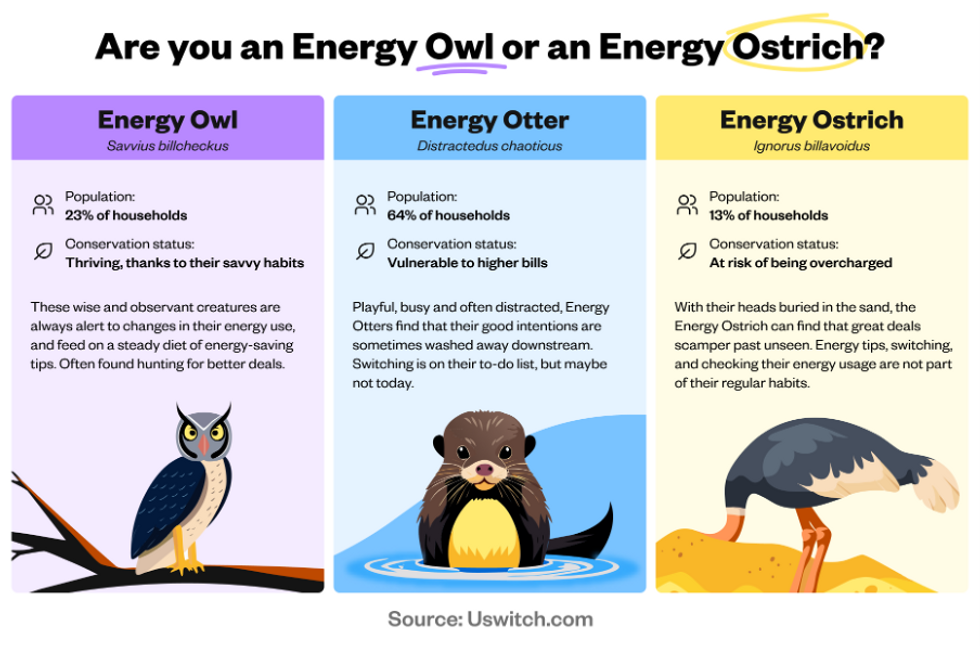 "Energy Owls" actively manage their energy usage, check tariffs, and track their bills. | Uswitch
"But with six in ten are paying the maximum their supplier is able to charge, and could save up to £851 by switching to a new fixed-rate energy deal. "
"If you've not moved suppliers in a while, check your account to see if you’re free to move, and if you're already locked into a deal, look at the small print to see if there are any early exit fees and charges for leaving early.
"When it comes to energy suppliers, remember that loyalty doesn’t pay, but switching can. And it might be more straight forward than you think, as all your pipes and plugs stay the same, the switch takes place remotely, and it should be done within five working days.
"If not, you'll get £40 in compensation which the supplier must pay within 10 days, and if you change your mind about the new provider, you have 14 days to cancel."
The Government has unveiled its £15billion Warm Homes Plan, which will distribute funding for solar panels, heat pumps and batteries to households over the coming five years.
Ministers estimate that installing all three technologies in a typical three-bedroom semi-detached property could cut energy bills by £500 per year, though charities Nesta and MCS Foundation suggest savings could exceed £1,000.
Prime Minister Sir Keir Starmer stated: "A warm home shouldn't be a privilege, it should be a basic guarantee for every family in Britain." The scheme aims to triple the number of solar-equipped homes whilst lifting one million people out of fuel poverty.
Energy Secretary Ed Miliband described the cost of living crisis as "the biggest issue the country faces," adding that "upgrading homes is a crucial part of getting bills down."
 Ofgem has hiked the energy price cap in recent years | GETTY
 He emphasised that the initiative seeks to make technologies like heat pumps and solar panels accessible beyond just the wealthiest households.However, the Conservative Party has criticised the scheme, arguing it will burden families with substantial ongoing running costs.
Households able to pay their own way will still face significant upfront expenses even with Government support, with heat pump installation averaging £5,000 after subsidies are applied.
Simon Francis, coordinator of the End Fuel Poverty Coalition, shared: "The Warm Homes Plan has the potential to be the spark that finally powers millions of households out of fuel poverty.
"The lifeblood of the Warm Homes Plan amounts to a rescue mission for the coldest, dampest homes in Britain - and this must be the priority. Combined with long-overdue improvements to conditions in the private rented sector, it could save lives, cut NHS costs and permanently slash energy bills for those in fuel poverty.
"Achieving this, while also inspiring a rooftop and heat pump revolution through loans and subsidies, will require a national effort. There will also need to be reforms which go beyond this Plan, such as bringing down the cost of electricity and providing financial support with energy costs while households wait for improvements to be installed."
More From GB News