







Ed Miliband has been attacked by the head of Britain's sole remaining aluminium smelter for pursuing Net Zero policies that are wrecking domestic industry.
Tom Uppington, who runs the Alvance British Aluminium facility in Fort William, Scotland, accused the Energy Secretary of imposing costly green measures that amount to "nimbyism."
Mr Uppington urged Mr Miliband to "fundamentally look at the energy transition and what it is costing industry in the UK."
The managing director argued that while British manufacturers face carbon-cutting rules that drive up electricity prices, overseas competitors escape such burdens.
"It's almost this nimbyism. It appears that as long as the carbon isn't produced in our backyard, he has a view of 'I don't care where it goes'," Mr Uppington said.
He warned that expensive power prevents UK firms from competing internationally.
The Fort William smelter has experienced a surge in orders this year following the outbreak of the Iran war, which disrupted supplies from the Gulf region.
American tariffs of 25 per cent on British aluminium, set lower than rates applied to other nations, have also boosted the plant's prospects.
Government forecasts suggest domestic demand could grow fourfold from 1.8 million tons to 8 million tons within the next decade.
Yet despite this favourable market, Mr Uppington revealed the facility has only increased output from 68 per cent to 75 per cent of its total capacity.
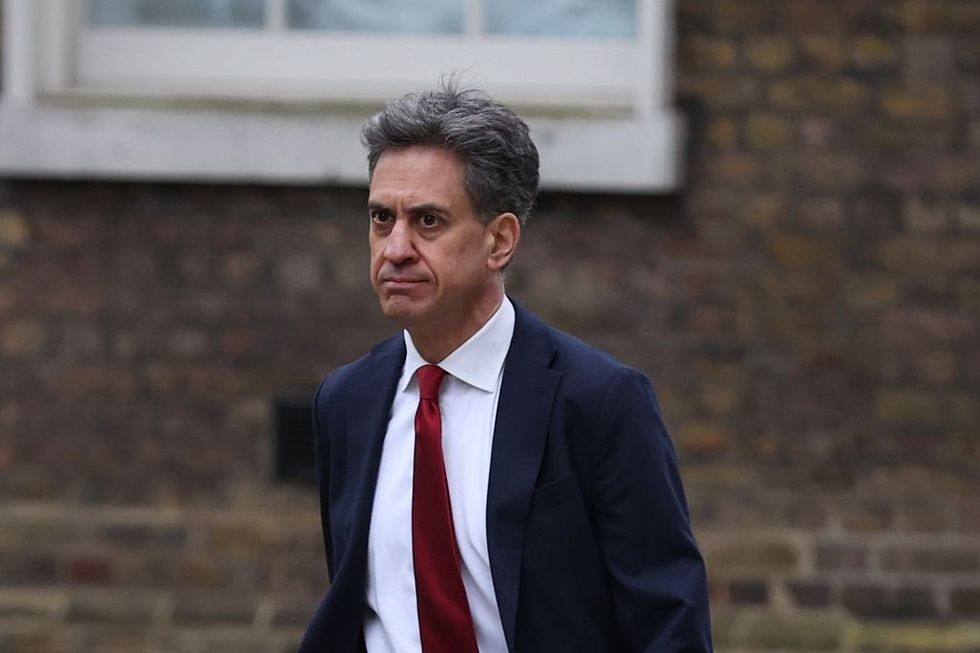 Ed Miliband continues to push for Britain's Net Zero 2050 target | GETTY
Pushing production any higher would send energy costs soaring to levels that would render the operation loss-making.
"Not having access to cheap electricity bars us from being able to compete on the international market. When you are up against competitors who have much cheaper electricity, it's challenging," Mr Uppington said.
The plant's electricity consumption beyond what its own nearly century-old hydroelectric system generates faces green levies calculated on average UK carbon emissions.
This calculation ignores the substantial proportion of Scottish power derived from wind farms and hydroelectric sources.
"We could be taxed on carbon emissions at the same level as a smelter in Indonesia using coal," Mr Uppington said.
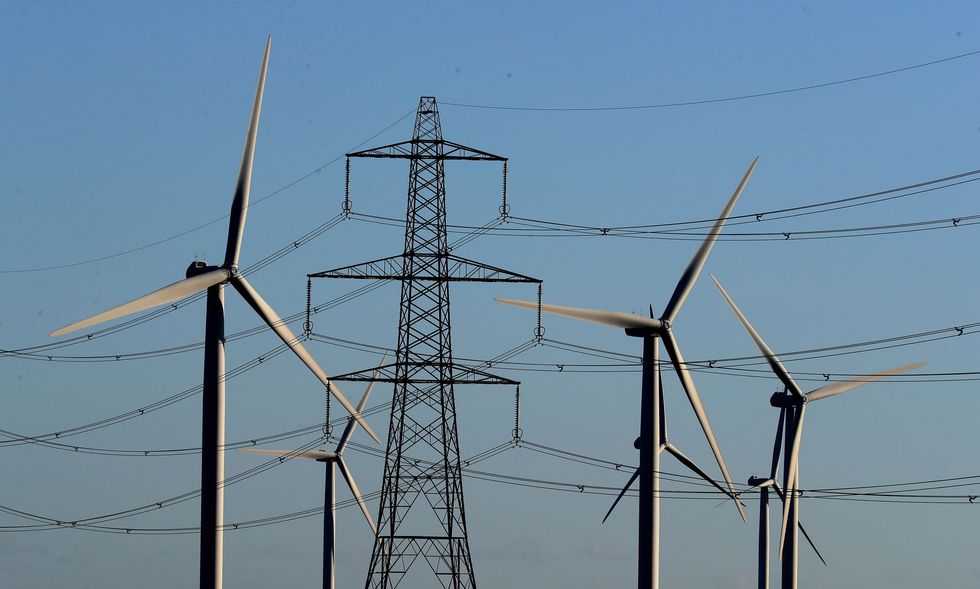 There will be no financial returns until around 2040 | PA
Labour's increase to Employers' National Insurance Contributions has also landed the facility with an additional £500,000 burden.
Mr Uppington called for tax reductions to stimulate economic growth.
"If you reduce taxes, it generally pushes more money into the economy," he said.
The managing director added that more favourable conditions would allow greater exports to Europe and beyond, arguing that addressing energy prices "is what we need right now."
Aluminium serves critical roles in defence, aerospace, and food and drink sectors, with the British Government listing it as a critical mineral.
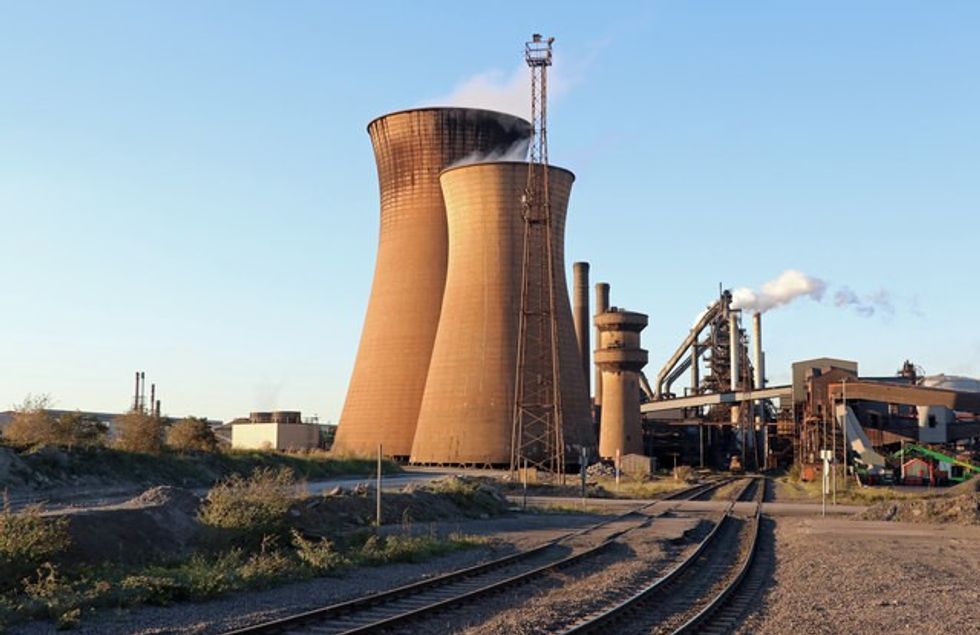
Aluminium is important for electric vehicles, data centres, as well as traditional uses
| CHRIS ALLENHowever, domestic production amounts to just 32,000 tons of primary aluminium, and the industry continues to contract.
Trade body Make UK has warned that three sites have shut down since last autumn.
James Tangney, Alvance's business development manager, highlighted that declining British output coincides with growing demand driven by new technologies.
"Aluminium is important for electric vehicles, data centres, as well as traditional uses, but we don't have the capacity to meet demand," he said.
A Make UK spokesperson stated that rising aluminium prices fail to improve viability because energy costs can overwhelm any price gains.
The trade body is pushing for the British Industrial Competitiveness Scheme, which will reduce bills for energy-intensive industries by up to 25 per cent from April 2027, to be backdated by two years rather than one.