






Lower inflation may be easing pressure in the official statistics, but for millions of households the financial squeeze is far from over.
New data suggests living standards continue to deteriorate even as price rises slow, with public confidence in the Government’s handling of the cost of living collapsing to record lows.
A recent survey by YouGov shows the Government's net approval rating on the cost of living has fallen to - 77, the lowest level since YouGov began tracking in October 2022.
Just eight per cent of Britons believe ministers are handling the issue well, while 85 per cent say they are handling it badly. The cost of living now tops the list of public concerns, cited by 54 per cent of respondents.
Household finances remain under severe pressure. More than four in ten Britons (44 per cent) say they have struggled to pay for food in the past three months, while 37 per cent report difficulty paying energy bills.
Almost half (49 per cent) say their household finances have worsened over the past year, compared with just 9 per cent who say they improved. Looking ahead, only 12 per cent expect their financial position to get better this year, while 44 per cent expect it to deteriorate and 37 per cent foresee no change.
Rebecca Robertson, director and independent financial adviser at Evolution Financial Planning, told GB News that falling inflation figures risk obscuring the real challenges households face.
"Lower inflation doesn’t mean lower prices. Inflation easing simply means prices are rising more slowly, not that they are falling," she said.
"For households, the cost-of-living previous increases have already happened, they haven’t been revised. Essentials such as housing, energy, food, insurance, and transport have already increased to higher levels, while many incomes did not adjust at the same pace.
"Even where nominal wages have risen, many households are still catching up after a prolonged period of real income erosion."
Ms Robertson said lower-income households are under the greatest strain because they spend a larger share of their income on essentials, particularly food, where price rises have been most persistent.
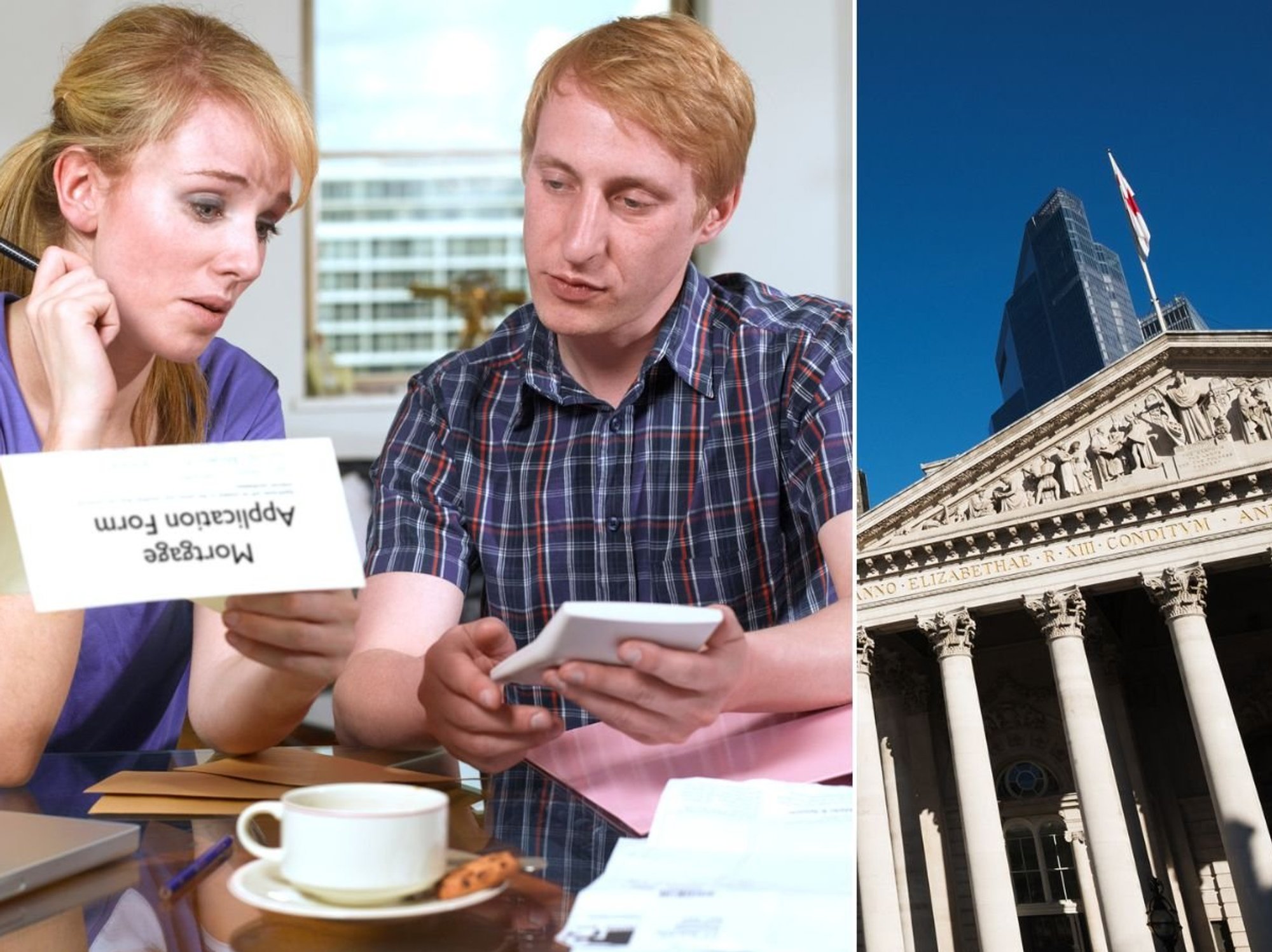
 Britons continues to grapple with the cost of living | GETTY
She added that these households often have limited access to low-interest debt and little savings to absorb financial shocks.
Middle-income families face a different squeeze, earning too much to qualify for support but not enough to absorb higher costs, leaving surplus income shrinking.
Higher-income households are not immune either, facing higher taxation on their income and assets.
A key factor affecting all income groups is fiscal drag. Successive governments have frozen the personal allowance and plan to keep it unchanged for years. As living costs rise and wages increase unevenly, more income is pulled into tax.
"This means that our costs have gone up, our salaries have increased by not for all in line with inflation, however we are being taxed the same," Ms Robertson said.

A key factor affecting all income groups is fiscal drag
| GETTY"So, all are seeing a reduced amount of money in their pockets. Therefore, everyone’s standard of living has dropped overall."
Economic forecasts offer limited reassurance. The Office for Budget Responsibility expects real GDP growth of 1.4 per cent, CPI inflation averaging 2.2 per cent, and average weekly earnings growth slowing to around 3.2 per cent in 202627. Tax revenue as a share of GDP is set to reach its highest level since the Second World War.
Even potential interest rate cuts in early 2026 may bring little relief. Many households are still on mortgage deals agreed when rates were as low as 0.10 per cent in 2021, before rising to 5 per cent in 2023. Those coming off fixed deals in 2026 are likely to face higher monthly repayments.
Debt levels are adding to the strain. By late 2025, UK personal debt was nearing £1.9 trillion, equivalent to around £35,000 per adult. Credit card borrowing reached £73.2 billion in March 2025, up 4.5 per cent on the previous year.

As a result, 63 per cent of Britons expect to cut back on spending, with 44 per cent saying they already have
| GETTYAs a result, 63 per cent of Britons expect to cut back on spending, with 44 per cent saying they already have.
While opinion is split on whether the Government should focus on cutting costs (47 per cent) or providing cash payments (46 per cent), views shift when considering national policy.
Nearly 64 per cent believe reducing costs is the better approach, compared with 27 per cent who favour cash transfers.
Despite easing inflation, the data suggests the economic squeeze on households remains deep, with confidence low and finances under continued strain.