






British households are set to contribute approximately £12,200 annually towards the nation's welfare bill following Chancellor Rachel Reeves's policy U-turns, according to official Government data.
Department for Work and Pensions (DWP) estimates reveal that scrapping proposed disability benefit reductions and removing the two-child benefit cap have added £426 to each household's share of welfare costs this year.
The figures, calculated by distributing total welfare expenditure, including state pension payments, across the UK's roughly 29 million households, show that by 2031 the average contribution will reach £12,266. This represents an increase of nearly £2,300 compared with 2023 levels.
Over the coming five years, welfare spending is projected to climb by £35billion, bringing the total to £368billion at current prices.
Households are expected to pay £12,200 a year thanks to the Government's U-turn
|GETTY
The Chancellor's decisions have pushed household contributions approximately £600 above what Treasury forecasters anticipated prior to November's budget.
Work and Pensions Secretary Pat McFadden is attempting to curb this upward trajectory through multiple government-commissioned reviews examining different aspects of the benefits system.
A Government spokesman stated: "We are reforming the broken welfare system we inherited, making it fairer for the taxpayer while supporting more sick or disabled people to move off benefits and into work."
The spokesman added: "Our approach is about renewing the social contract spreading opportunity, reducing poverty, and helping people build brighter futures through dignity and good work."
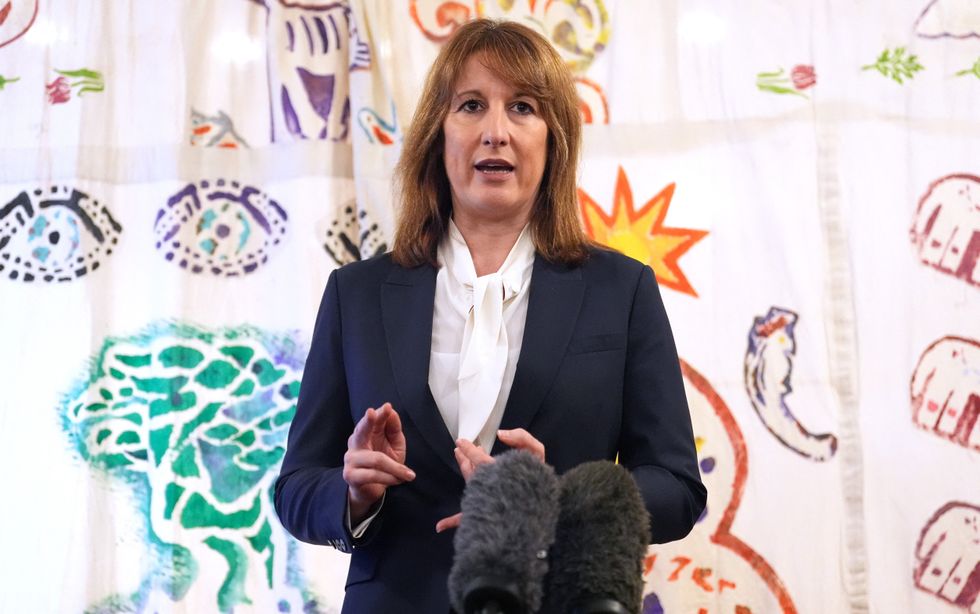
Rachel Reeves has confirmed the two-child benefit cap will be axed
| GETTYDisability minister Sir Stephen Timms is preparing a report on potential changes to personal independence payments, due for publication in autumn.
His review was established after the Labour Government backbenchers rebelled last summer, compelling ministers to abandon £5billion in planned disability benefit savings.
DWP projections indicate that PIP claimant numbers will surge by around three million between the pandemic and 2030, reaching 5.4 million recipients, equivalent to 836 new successful applications daily over a decade.
Critics have noted that Timms's review must operate within existing spending forecasts.
Ministers are instead pinning their hopes on a separate review conducted by former health secretary Alan Milburn, examining the nearly one million young people outside employment, education or training.
Expected by spring, Government sources anticipate it will propose substantial changes to how young people access benefits.
Mr Milburn said there was a "phenomenon of more and more young people with mental health issues" and "a growing issue around neurodivergence".
He added: "We've got to understand what is going on there, why it is happening and what can be done about it."

Universal Credit is the primary benefit payment for DWP claimants
| GETTYLast year, Chancellor Rachel Reeves confirmed plans to scrap the two-child limit on benefits, paid for by raising taxes on working people by freezing income tax thresholds.
Research from the Centre for Social Justice (CSJ) estimates this will cost the taxpayer around £3billion a year, amid a period of hiked taxes.
The CSJ warns that ministers must tackle the root causes of poverty by ending the “welfare crisis” and reducing the number of workless households.
Analysis by the think-tank found that last year saw the fastest annual rise in children with jobless parents on record, rising by 180,000 to 1.5 million.
More From GB News