

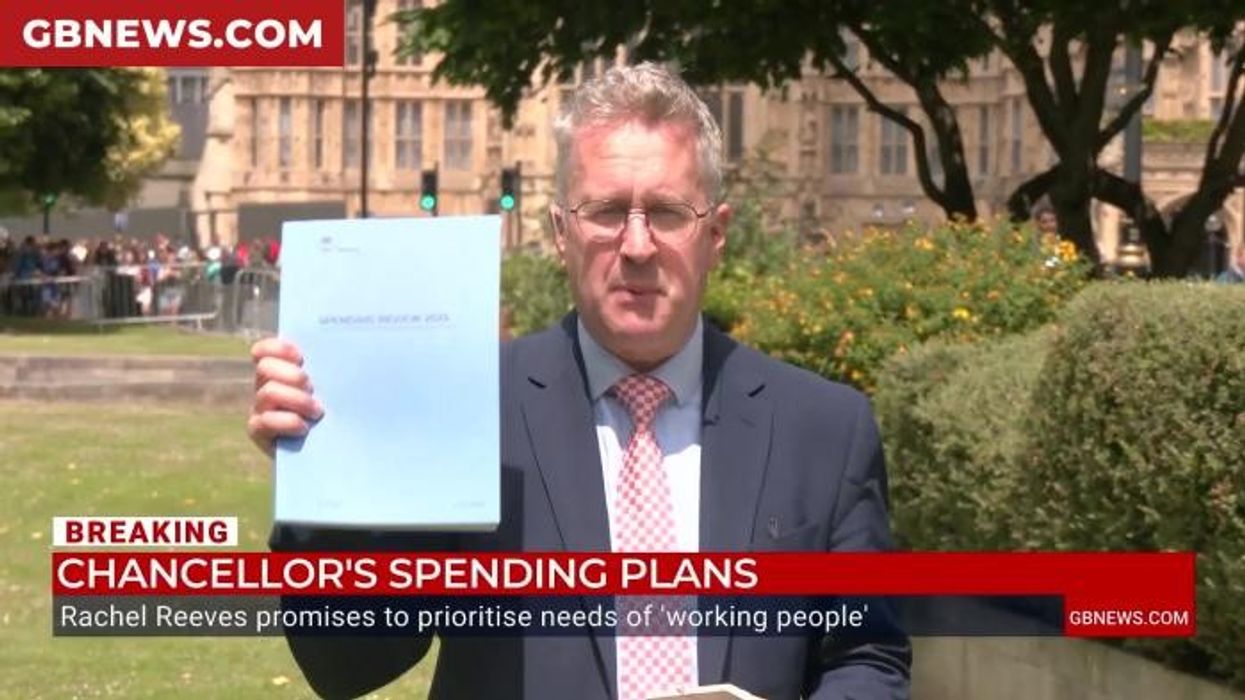






Council tax will increase to fund policing after Rachel Reeves announced a 2.2 per cent cut to the Home Office budget in her spending review.
The Chancellor claimed police spending power would rise by 2.3 per cent despite the departmental reduction.
Treasury documents revealed the increase would come from "additional income, including estimated funding from the police council tax precept".
This means local authorities are likely to raise the police portion of council tax to help pay for the recruitment of thousands of new officers.
The Home Office faces one of the largest budget squeezes, with spending declining by 2.2 per cent annually between 2023/24 and 2028/29.
Only two other Government departments will experience steeper cuts.
The reduction comes despite Labour's manifesto pledges to recruit additional police officers and reduce crime rates.
The spending review documents did not specify how much extra revenue would be raised through council tax increases
|GETTY
The spending review documents did not specify how much extra revenue would be raised through council tax increases.
Full details are expected in a separate police funding settlement this autumn.
Paul Johnson, director of the Institute of Fiscal Studies, confirmed the increase would likely be funded through council tax.
He wrote on X: "Note wording on police funding. Increase in 'spending power'. Implies that higher precepts from local taxes will play their part."
The mechanism allows police and crime commissioners to raise additional funds through the council tax precept, a specific portion of the local tax dedicated to policing.
This approach enables the Government to claim increased police funding whilst reducing central government spending on the Home Office.
The Treasury's careful wording of "spending power" rather than direct funding allocation signals a shift of the financial burden from Westminster to local taxpayers.
The spending review documents stated: "This includes projected spending from additional income, including estimated funding from the police council tax precept."
Cllr Tim Oliver, Chair of the County Councils Network (CCN), said: "This Spending Review will not be a silver bullet for councils’ financial challenges, and much of the increase in 'core spending power' is derived from the assumption that local authorities will levy maximum five per cent council tax rises each year.
 Taxpayers are struggling with the unsustainable burden of council tax | PA
"Even accounting for these, the sums today fall well short of filling the projected £2.2bn funding gap faced by county and unitary councils next year and consequently further service cuts will be hard to avoid.
"In addition, county and rural unitary councils face significant added uncertainty on how much they will benefit from the announcements today, because forthcoming funding reforms could potentially redistribute hundreds of millions of pounds towards urban councils over the course of this Parliament.
"With the Spending Review confirming there will be little, if any, central government funding to provide the necessary resources to smooth out this redistribution, many county and unitary councils could ultimately face a real-terms reduction in funding. All eyes will now be on these funding reforms."
The Chancellor unveiled her spending review declaring: "In place of chaos, I choose stability. In place of decline, I choose investment. In place of pessimism, division and defeatism, I choose national renewal."
Treasury documents revealed the increase would come from "additional income, including estimated funding from the police council tax precept
| LINCOLNSHIRE POLICEReeves announced a £29 billion boost to NHS funding, with health spending rising 3 per cent annually above inflation. The money will fund improved technology, thousands more GPs and an additional 700,000 urgent dentist appointments yearly.
She pledged £39 billion over a decade for social housing, describing it as the biggest cash investment in 50 years. Defence spending will increase by £11 billion, with expenditure rising from 2.3 per cent of GDP to 2.5 per cent by 2027/28.
Total public spending will increase by 2.3 per cent in real terms. However, most departments face real-terms cuts due to limited economic growth and inflation remaining above target.
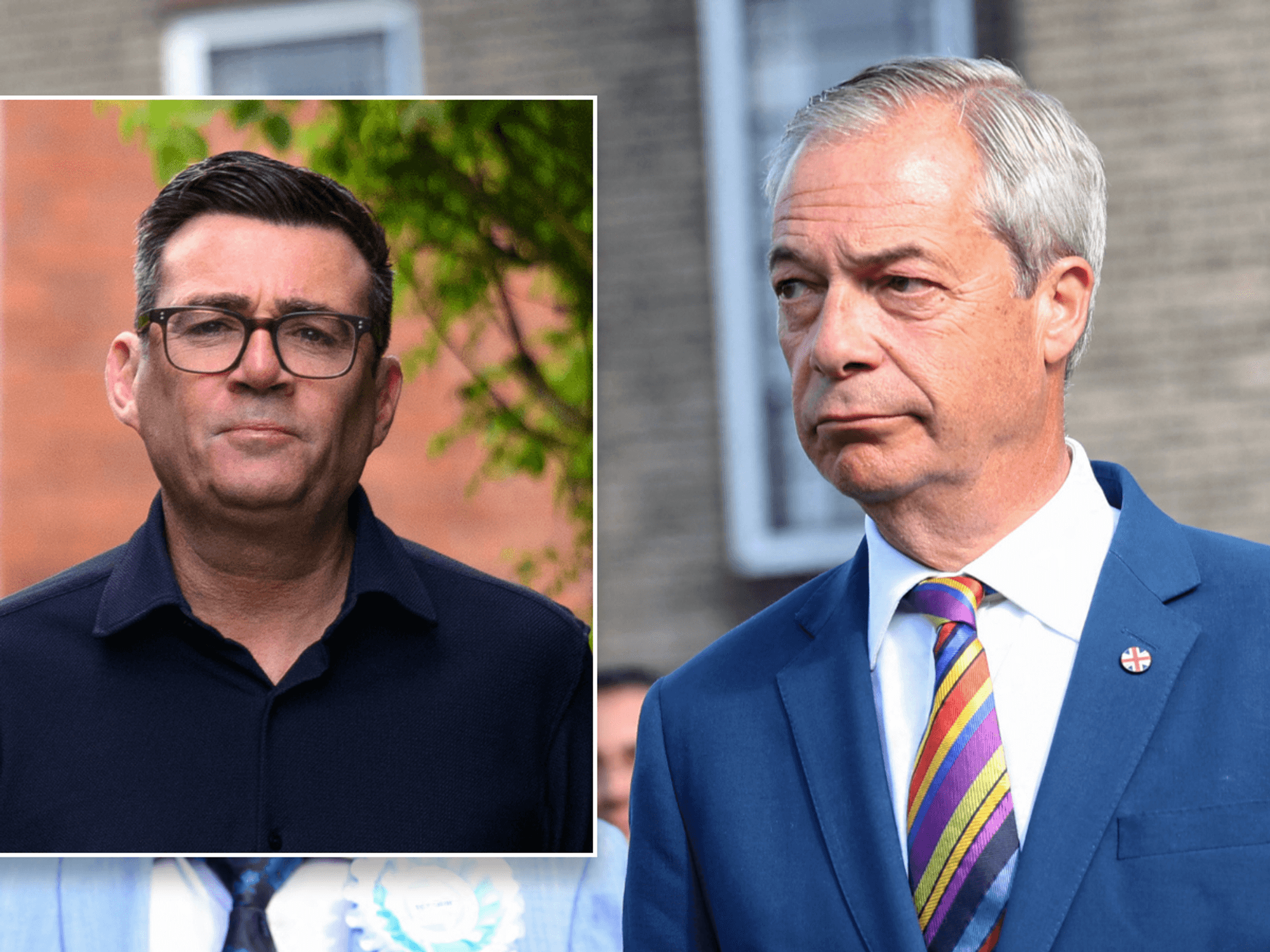
Sir Mel Stride, the shadow chancellor, criticised Reeves as a "spend now, tax later" Chancellor, warning her spending promises would necessitate tax increases this autumn.
He said she had "completely lost control", adding: "This is the spend now, tax later review because the Chancellor knows that she will need to come back here in the autumn with yet more taxes and a cruel summer of speculation awaits."