








Britain is bracing for a week of bitterly cold weather, with temperatures forecast to fall as low as minus 10°C.
The deep freeze could trigger Cold Weather Payment for vulnerable households facing higher heating bills.
The Department for Work and Pensions scheme provides extra financial support when local temperatures are recorded as, or forecast to be, zero degrees or below for seven consecutive days.
An Arctic blast driven by a Scandinavian low-pressure system is expected to keep much of the country in freezing conditions over the next week, with lows ranging from zero to minus 10°C in some areas.
Met Office meteorologist Alex Burkill said: "This weekend, the cold weather sticks with us and it is going to feel colder meaning we are going to see some widespread harsh frosts, and the risk of snow showers continues mainly in the north, although we can't rule out a bit of snow further south."
Six yellow weather warnings for snow and ice remain in place through Monday, with amber alerts covering parts of northern Scotland and Shetland.
Cold Weather Payments provide £25 for each seven-day period of very cold weather and are paid automatically to eligible households. The scheme runs from November 1, 2025 to March 31, 2026.
Those eligible for the cold weather payment must receive at least one of the following:
- Pension Credit
- Income Support
- Income-based Jobseeker’s Allowance (JSA)
- Income-related Employment and Support Allowance (ESA)
- Universal Credit
- Support for Mortgage Interest
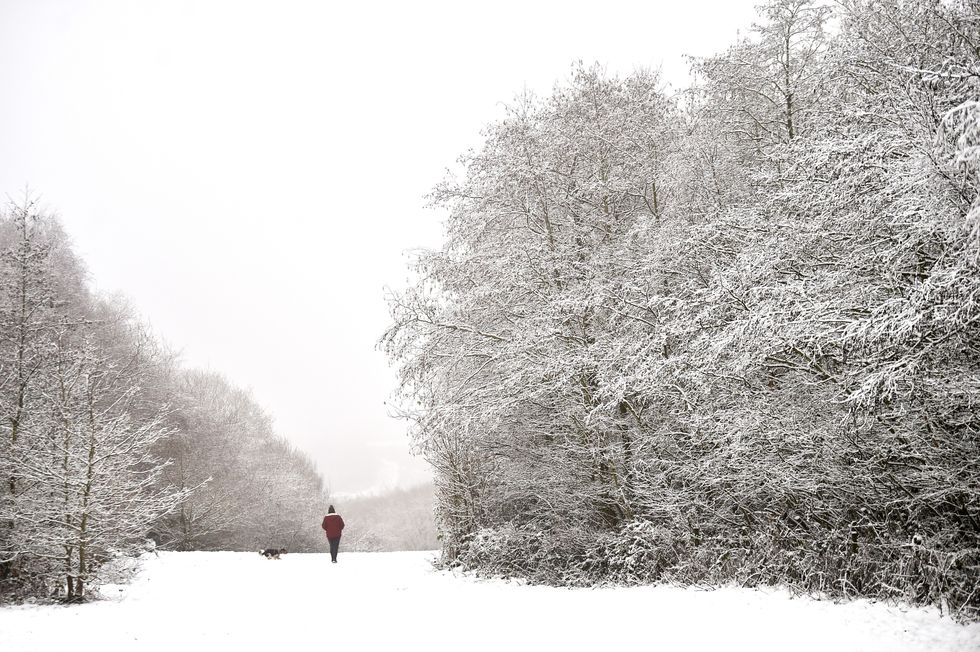 Very cold weather has sparked Cold Weather Payment triggers in parts of the UK | GETTY
Those who are not receiving Pension Credit will also typically need to have a health condition, caring responsibilities, or young or disabled children.
Eligible households can receive multiple payments throughout the winter months if it is very cold for weeks at a time.
The money arrives automatically without any need to submit an application, landing in the same bank or building society account used for regular benefit payments.
Recipients should expect funds within 14 working days after the cold spell has been officially confirmed by authorities
| PARecipients should expect funds within 14 working days after the cold spell has been officially confirmed by authorities.
Crucially, these payments do not reduce or affect any other benefits a household receives.
Scotland operates a different system, with eligible households receiving an annual Winter Heating Payment instead of Cold Weather Payment, distributed regardless of local weather conditions.
Anyone who believes they should have received a payment but has not should contact the Pension Service or Jobcentre Plus to raise the matter.
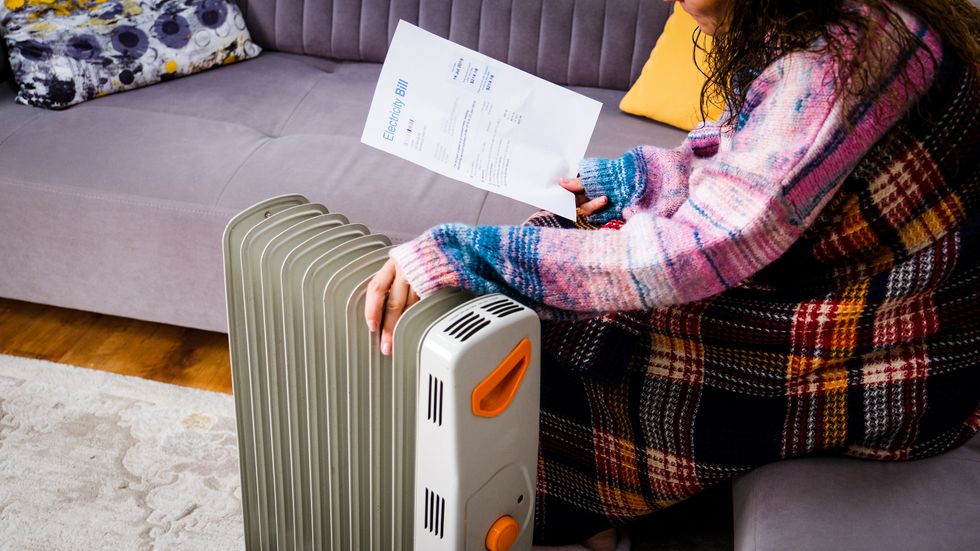 The Cold Weather Payment Scheme runs each year from November 1 to March 31 | PA
Universal Credit claimants can query missing payments through their online journal, while those without internet access should telephone the Universal Credit helpline directly.
In certain circumstances, households may still be treated as eligible even if their application for a qualifying benefit was rejected due to income being too high.
The scheme differs from Winter Fuel Payments, which are a separate form of government support for heating costs during colder months.