









Dr Ben Maruthappu MBE has transformed from a junior doctor working within the NHS into the chief executive of Cera, which now stands as the largest health hech firm across Europe.
The London-based entrepreneur's company conducts 2.5 million home visits each month, a figure that surpasses the combined total of all NHS accident and emergency departments.
What started as a modest online marketplace nine years ago has grown into an operation generating £500million in annual revenue. Cera claims its predictive healthcare technology, powered by artificial intelligence, has already delivered savings exceeding £1billion for the Government.
Speaking to GB News, Dr Maruthappu believes the tools his company has developed could reduce NHS costs by hundreds of millions of pounds during the current winter period alone.

A doctor-turned-entrepreneur's AI health tech firm is forecast to save the NHS £200m the winter and 'make a real difference'
|CERA / BEN MARUTHAPPU
Yet despite these commercial achievements, the founder insists his motivations remain deeply personal. The spark for Cera came when his mother suffered a fractured back, leaving Dr Maruthappu navigating what he describes as an opaque and outdated care system.
In an era when he could track his Uber driver's registration plate and monitor his food delivery in real time, he found himself with no information about who would be attending to his mother or how she was progressing.
"I knew my mother deserved better," he has said of the experience that shocked him into action. Before launching his venture, Dr Maruthappu had studied at Oxford, Cambridge and Harvard, served as an adviser to NHS England chief Simon Stevens, co-founded the NHS Innovation Accelerator, and authored more than 100 medical papers.
Running a company, however, was entirely new territory. He abandoned his medical career overnight in 2016 to establish Cera. "I'd never led a team, never worked in a company full time – it was a steep learning curve," he admits. "But I had a hunger to build something that mattered."
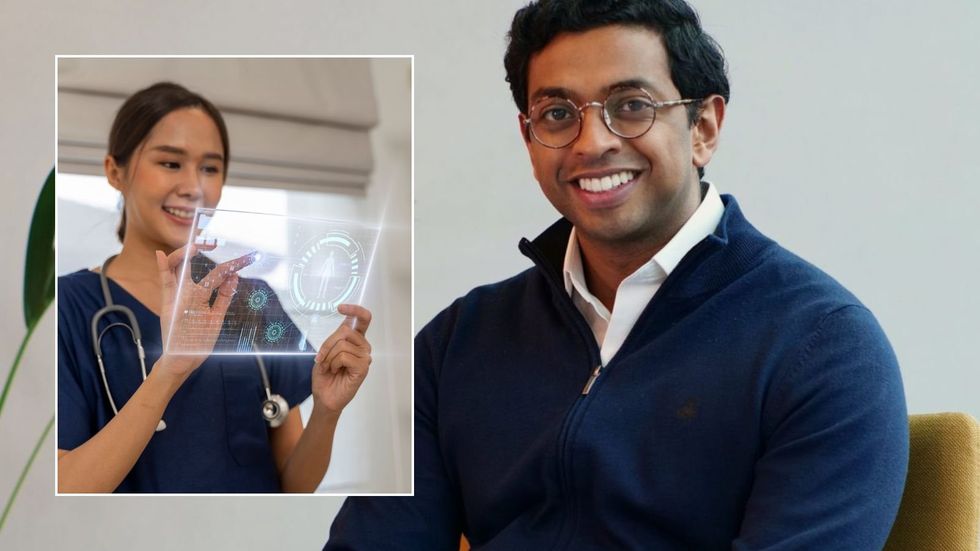
Cera launched initially as a platform resembling "Deliveroo for care", enabling families to book visits with a simple click. The business swiftly evolved into a comprehensive home healthcare provider, directly employing carers and nurses whilst assembling a technical workforce of data scientists and engineers.
Each patient visit now generates health information, creating what has become the continent's most extensive home-care dataset. This data powers the company's predictive artificial intelligence, capable of forecasting hospital admissions, detecting infections days in advance, and reducing falls among elderly patients.
The Covid-19 pandemic accelerated expansion dramatically, with Cera bringing 10,000 displaced workers into care roles within 18 months. The Government subsequently licensed the firm's recruitment technology to other providers.
When the cost of living crisis prompted a wave of departures from the care sector, Cera responded with training programmes, apprenticeships and a "Back to Work" initiative..
More than one million people have now applied for positions with the company, which partners with over 100 Local Authorities and two-thirds of NHS Integrated Care Systems. A pivotal moment arrived when Cera's hospitalisation prediction system flagged a patient displaying early infection symptoms on its launch day.
"We got them antibiotics – potentially preventing a hospital admission," Dr Maruthappu recalls. "It was the moment I knew we were making a real difference." This year, the company began deploying robots into patients' homes, providing hydration prompts, medication reminders and daily assistance.
Patients have responded positively, and the technology has freed human carers to concentrate on more complex cases. Cera has since acquired one of the robot product lines it trialled and is expanding their use across the sector.
The firm's AI recruitment agent, named Ami, processes applications within seconds rather than days, halving the period between application and job offer. An AI chatbot meanwhile delivers instant clinical guidance to carers via their mobile phones, reducing administrative burden and accelerating visits.
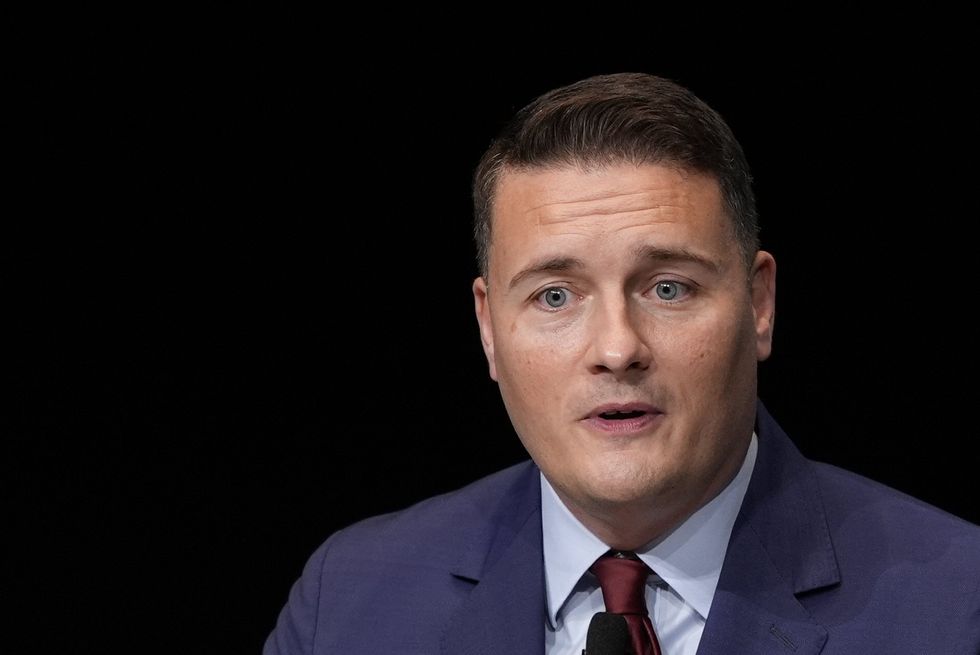
Wes Streeting has pledged to rollout AI across the NHS to make big savings
| PADr Maruthappu contends that widespread deployment of similar predictive technology could deliver £200million in NHS savings this winter. His modelling suggests AI reduces hospitalisations by as much as 70 per cent, with avoided admissions, fewer emergency department visits and swifter interventions accumulating rapidly.
"Digital innovation isn't replacing the NHS's founding principles," he argues. "It's how we protect them." The path to success involved considerable difficulty, with setbacks, sceptics and sleepless nights along the way.
"Blood, sweat and tears," he noted, crediting his family and team with sustaining him through challenging periods. His sage advice for entrepreneurs looking to make waves in health care?
"Passion and perseverance outweigh capability," he added..