










British manufacturing activity expanded at its fastest pace in four years during May as firms increased production and stockpiled goods amid growing geopolitical uncertainty.
The S&P Global UK manufacturing purchasing managers' index rose to 53.9 in May from 53.7 in April.
Any reading above 50 indicates growth in the sector.
The latest figure exceeded both analyst expectations and the preliminary estimate of 53.7 released on May 21.
Production growth and business confidence both reached their highest levels in three months, marking a second consecutive month of improving conditions.
New orders also increased for a sixth straight month, supported by stronger demand from customers in Britain and overseas markets.
However, economists warned the recovery could prove temporary.
Rob Dobson, director at S&P Global Market Intelligence, said: "The sustainability of the upturn remains in doubt, however."
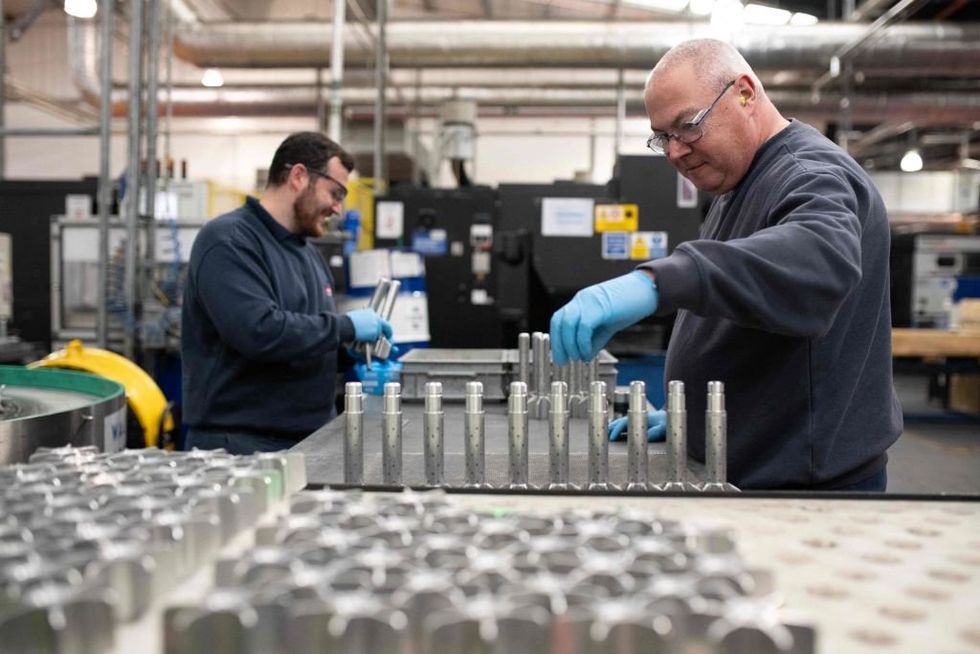
UK manufacturing growth hits strongest level in four years
|GETTY
He added: "The recent upturn in new order intakes that is driving the expansion in output is heavily reliant on both manufacturers and their clients front-loading purchases to mitigate expected war-related price increases and supply chain disruption."
Mr Dobson warned: "This bounce will fade once customers have built up sufficient safety stocks."
The survey suggested many manufacturers and their customers had increased orders to prepare for further disruption and higher costs linked to ongoing global tensions.
Inventory levels rose at their fastest pace since July 2022.
LATEST DEVELOPMENTS
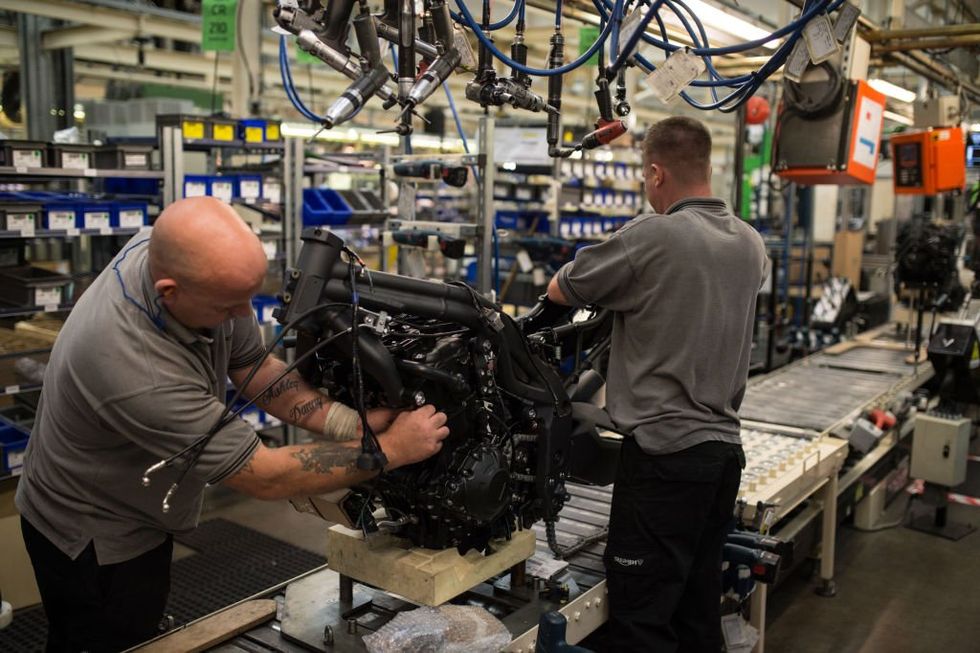
Businesses reported growing concerns over key maritime trade routes, including the Strait of Hormuz
|GETTY
Stocks of purchases also increased for the first time in more than three-and-a-half years.
Manufacturers faced rising pressure from higher costs across several areas of the economy.
The Middle East conflict, volatile commodity prices, tariffs, increased labour costs and higher taxation all contributed to stronger input price inflation.
Supply chains also remained under strain as delivery times lengthened sharply due to shipping disruption.
Purchasing costs climbed to near four-year highs, driven by increased prices for chemicals, electronics, fuel, energy and other materials.
Manufacturers responded by passing higher costs on to customers.
Output price inflation accelerated to its strongest level since July 2022 and represented the second-highest rate recorded in the survey’s history.
Geopolitical uncertainty and supply chain disruption also encouraged firms to increase purchasing activity and build additional buffer stocks.
Despite the wider pressures, export demand remained resilient.
Overseas sales rose for a fifth consecutive month, with manufacturers reporting stronger demand from mainland China, Europe, Japan, North America and South Korea.
The intermediate and investment goods sectors recorded the strongest output growth, although production in the consumer goods sector declined.
The survey also marked the first time since May 2022 that all five major components of the PMI index improved simultaneously.
New orders, output, employment, supplier delivery times and stocks of purchases all indicated improving operating conditions.
The survey was based on responses from 650 UK manufacturers collected between May 12 and May 26.
Services sector data is scheduled to be released on Wednesday.