








For some families, it is a decades-old business built on generational hard work. For others, it is to secure their loved ones' financial future in retirement.
Over the years, millions of British investors have placed their money into freehold ground rent properties, trusting in a framework of English law that had stood for centuries.
Now, with a Labour Government pushing ahead with leasehold reform legislation that could cap and eventually eliminate ground rent income, freeholders are telling GB News that the retirement they planned for is being pulled from under them.
The proposed reforms would initially cap ground rents at £250 per leasehold, before phasing them out altogether after forty years. The Government claims the changes are designed to protect leaseholders from exploitative arrangements.

Pension crisis looms as Labour's leasehold war could hurt your retirement: 'More nasty surprises!'
|GETTY
However, critics argue the legislation goes far beyond tackling rogue freeholders, instead sweeping up thousands of small, responsible investors in a wave of retrospective interference with legally binding contracts.
The Government's own consultation impact assessment estimates pension savers could lose between £9billion to £10billion, with the total value of ground rent assets falling by as much as £18.7billion.
For Bob Kingston, whose Dobern Properties Group of Companies was founded by his late father and has been run by himself and his brother ever since, the motivation behind the reforms is not hard to read.
"The writing has been on the wall for many years. The previous Government rushed through legislation at the end of their term because it had become the popularist thing to do.
"How many ground rent investors are there? Let's say there are a thousand people seriously involved; that doesn't buy many votes.
"But if four million people are living in leasehold properties, that's a sizeable chunk of the electorate. We can all see the motivation. You're not going to win any prizes for spotting that one."
Mr Kingston and his brother took over the company following their father's death in 1989, growing the rent roll from £20,000 to over £65,000 through the acquisition of individual and small blocks of freeholds.
They had always intended it to serve as one of their streams of pension review. However, Mr Kingston claims that the plan is in jeopardy.
"We had genuinely thought, 15 or 20 years ago, that we were building a legacy for our children. Now that's become something of a non-sequitur.
"We're already going to have to pay 40 per cent inheritance tax on the value of the company when it's transferred. And looking forty years ahead, when the legislation is eventually fully enshrined, whatever we've left them will be worth nothing."
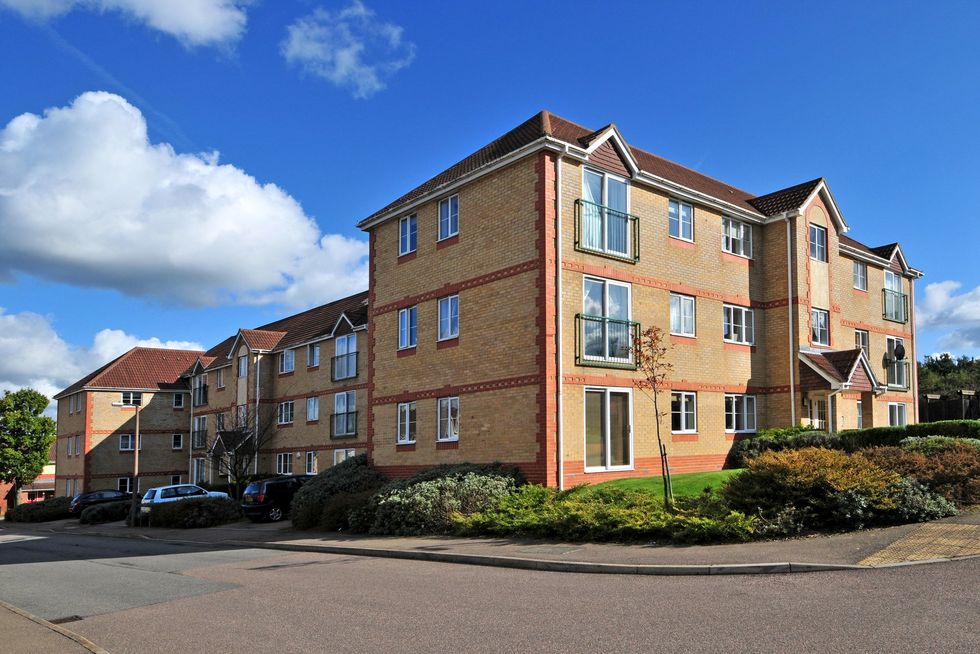
Thousands of leaseholders across the UK rely on freeholders to secure the upkeep of their buildings
|GETTY
LATEST DEVELOPMENTS
 Nearly 42 per cent of landlords plan to stop renting out homes altogether once the Act takes effect | GETTY
His own financial analysis shows the immediate impact of the £250 cap would reduce their rent roll from £65,395 to £59,630, representing a fall of somewhere between ten and 15 per cent.
He is candid about the fact that other parts of his pension pot may cushion the blow, but is under no illusions about the broader picture.
"This is only the first stage. There will be more nasty surprises as this legislation is enshrined and subsequent legislation follows it. It's taking money out of my pocket and putting it into the Treasury as usual."
Mr Kingston is also dismissive of the idea that the Government's reforms will ultimately benefit the very leaseholders they are designed to protect.
Having spent decades acting as an informal arbitrator between residents and absorbing the day-to-day responsibilities of being a freeholder, he believes the financial squeeze will inevitably lead to a deterioration in how properties are looked after.
"It's buying votes with populist measures. We have always tried to be good freeholders. We've frequently had to act as informal arbitrators between warring factions within the same building — it's just one of the things we accept we have to do as freeholders."
Malcolm Bradley's story carries a similar weight. A retired accountant, Mr Bradley and his wife invested their taxed income into freehold properties as a deliberate alternative to a conventional pension.
"We entered into a legal contract to purchase the properties, which we put in my wife's name, paid for out of taxed income. She didn't actually work because of that, so we didn't accumulate an additional pension income, because it was written under English law."
As for whether the Government has effectively stolen his pension, Mr Bradley is measured but pointed. "It hasn't exactly covered a very good time, given that we are now beyond retirement age and this was something we were never warned could happen."
Mr Bradley is particularly alarmed by what he sees as the wider consequences of the Government's willingness to tear up existing contracts.
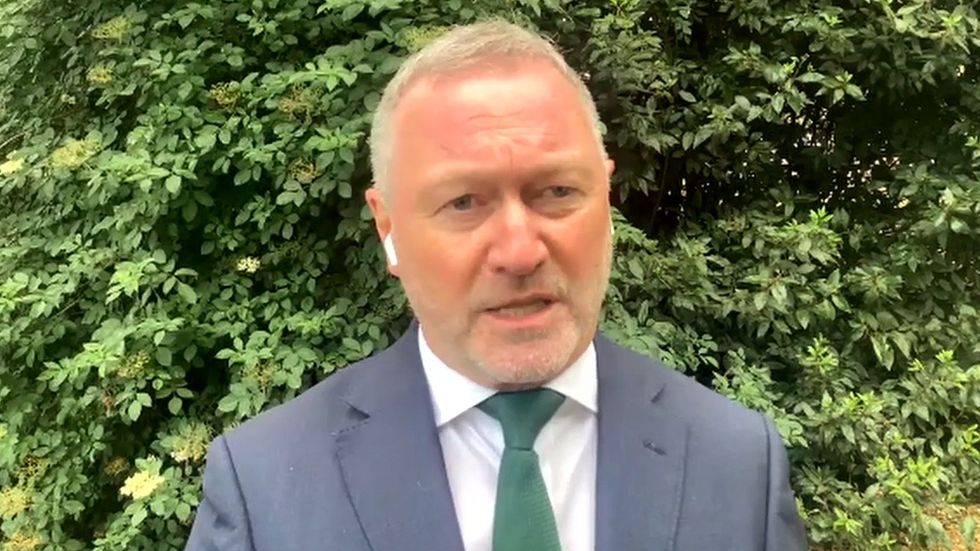 Housing Minister Steve Reed is backing the reforms | GB News
He argues English common law is is the foundation upon which Britain's reputation as a safe place to invest has been built for generations.
"Once you start introducing retrospective legislation, it's an unwritten rule in Parliament that you don't do that. If you start tampering with it you're creating potential problems.
"Take an overseas investor looking to put money into Britain, which desperately needs investment right now. If they see the Government can actually change a legally binding contract, that's not exactly going to warm them towards investing here."
According to Mr Bradley, the financial scale of what is at stake for retirement savings is being badly underreported: "There is £15billion invested by pension funds into ground rents.
"The Government's own consultation impact assessment estimated a loss of between £9-10 billion for pension savers. And the value of the ground rents themselves is estimated to fall by £18.7billion. So who are the real winners here?"
Like Mr Kingston, he fears the reforms will rebound on the very people they are supposed to help. He points to what he describes as a cautionary tale north of the border.
In Scotland, a commonhold-style system was introduced in the early 2000s, transferring management responsibilities to residents. A 2019 report by the Royal Institution of Chartered Surveyors found that 50 percent of tenement buildings were in disrepair.
"Freeholders like ourselves do a lot of work for free. But if you take away our income, we can't afford to give the time. By definition, we will not be able to apply the same level of scrutiny and management as before."
He does not oppose reform outright, but insists that what is being proposed bears no resemblance to a fair or balanced solution.
"Compromise is always possible, provided people come to the table with sensible and realistic ambitions. Unaffordable ground rents have been dealt with. What's needed now is a proper consultation with the industry."