






Benefit recipients can access substantial discounts at major UK attractions, while working households face frozen tax thresholds and slower wage growth.
A family of four can visit the Tower of London for £4 instead of £111 if one parent receives Universal Credit (UC), a £107 saving.
The gap has widened further this week with the standard Universal Credit allowance rose by 6.2 per cent from Monday, nearly double the 4.1 per cent increase in average earnings over the past year.
Labour has pledged to keep UC increases above inflation for the next three years, while income tax thresholds remain frozen at 2021 levels until 2031.
The discounts extend far beyond the Tower. A family of four (2 adults + 2 children) can save significant amounts on tourist attractions if one adult is on benefits, because many venues offer heavily discounted tickets.
London Zoo offers UC claimants an £82 reduction, bringing a family ticket down from £108 to £26.
HMS Belfast provides a £68 saving, while Westminster Abbey cuts £60 from its standard £62 family price, leaving benefit recipients paying just £2.
St Paul's Cathedral, Kew Gardens and the Cutty Sark all offer similar reductions, with savings ranging from £45 to £61.
These schemes have proved enormously popular. London Zoo sold 300,000 UC tickets in 2024/25, requiring only a screenshot or PDF as proof of eligibility.
Historic Royal Palaces, which runs the Tower, has changed its prices to keep its income the same, meaning people paying full price are effectively covering the cost of discounted tickets.
The gap between benefit increases and wage growth highlights the growing divide between workers and benefit claimants.
In 2026/27, the budgeted expenditure of the United Kingdom Government is expected to reach over £1.4trillion with the highest spending function being the £400billion pounds expected to be spent on social protection, which includes pensions and other welfare benefits.
Michael Simmons, economics editor at The Spectator, argues that working Britons now find themselves squeezed from both directions.
"Britain's shrinking working middle finds itself trapped in a vice," he wrote.
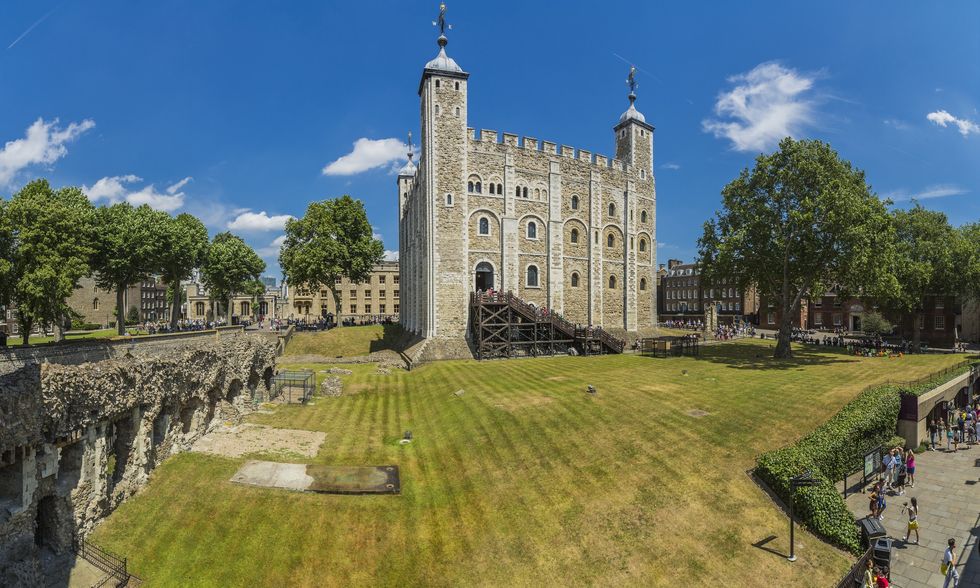
Historic Royal Palaces, which runs the Tower, has changed its prices to keep its income the same
| GETTY"Above, sitting prim, are asset-rich pensioners (a quarter of whom are millionaires) who are protected from and by every government decision. Below are those living on welfare, increasingly insulated from rising costs and shielded from hardship."
Mr Simmons contends that benefit claimants have become "the real focus of Labour's attention, advocacy and largesse."
He points to the Chancellor's preference for targeted support during crises, directing available funds towards those already receiving state assistance.
"Britain under Labour is now literally a welfare state," Mr Simmons concluded, noting that Whitehall defaults to the existing benefits system when distributing support rather than pursuing broader measures.
The thinktank Onward has identified a hidden benefits bill totalling £10billion, paid directly by taxpayers. This covers discounts on broadband, reduced council tax, subsidised utilities, cheaper travel and holiday provision.
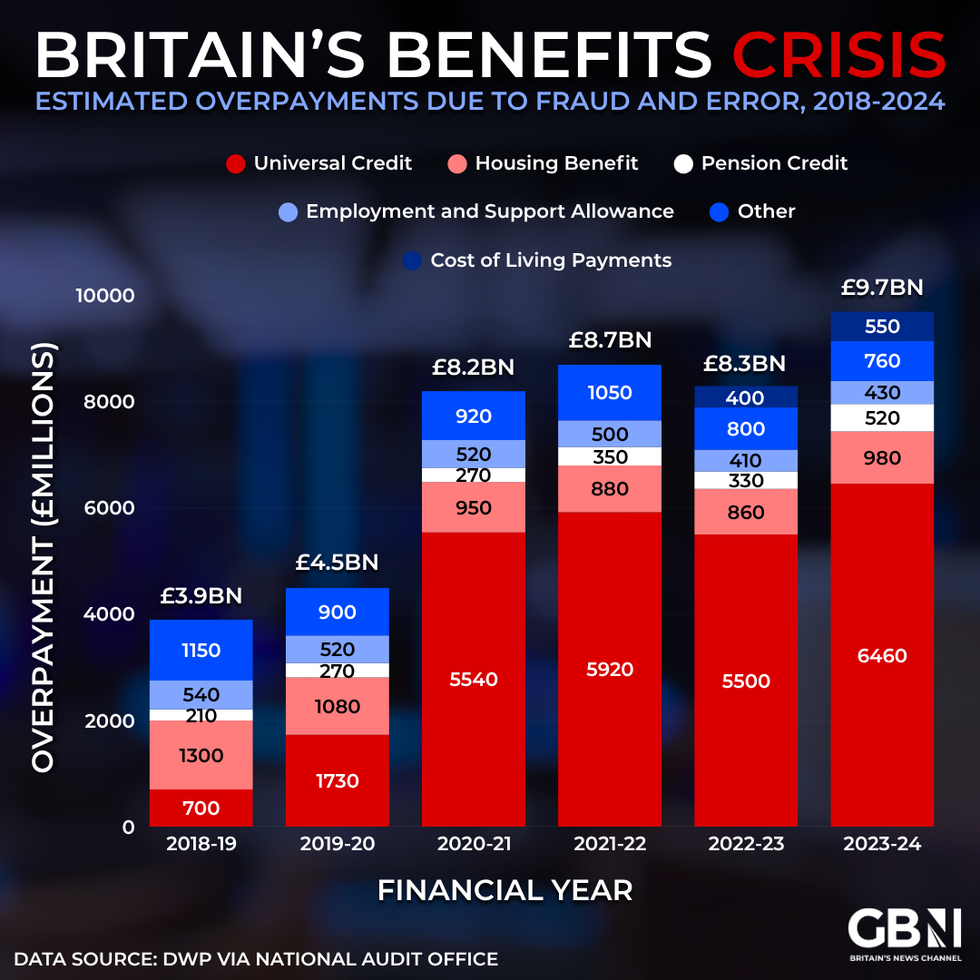 Figures from the DWP via the National Audit Office show billions of pounds in benefit overpayments are made each year | GB News
When different benefits are combined, the total support can be significant. Figures from the Centre for Social Justice show a family with three children could receive around £46,000 a year from the state if one parent claims Universal Credit alongside housing and health-related benefits.
For families with five children, this rises to £55,000.
By comparison, a minimum wage household with one full-time and one part-time earner takes home about £28,000 after tax. To match the income of a three-child benefits household would require earnings of roughly £71,000 before tax.
Meanwhile, workers are also being hit by so-called fiscal drag. Income tax thresholds have been frozen since 2021, with the personal allowance at £12,570 and the higher rate threshold at £50,270.

The thinktank Onward has identified a hidden benefits bill totalling £10billion, paid directly by taxpayers
| GETTYCharlene Young, senior pensions and savings expert at AJ Bell, described the scale of the problem: "The taxman will be getting out the bunting to celebrate the 5th birthday of the tax raid on workers, pensioners, savers and investors."
She added that the freeze was originally meant to end this April but has been extended to 2031, meaning "the income tax system will have been in deepfreeze for a decade."
The practical impact is significant. Someone earning £35,000 pays an estimated £4,500 in income tax this year, roughly £1,000 more than if thresholds had tracked inflation. Higher earners on £75,000 face approximately £4,800 in additional tax.